Trump's Gaza Vision: A Real Estate Gamble?
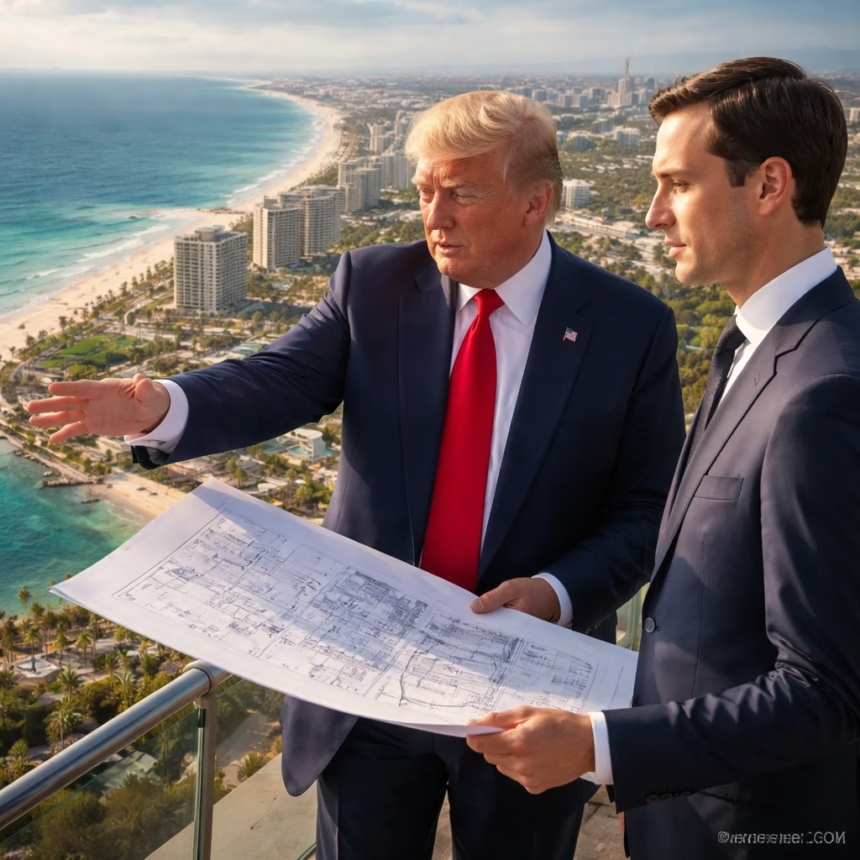
Former U.S. President Donald Trump and his son-in-law Jared Kushner are reportedly pursuing a significant real estate project in the Gaza Strip, raising questions about the future of the territory and the potential implications for the Israeli-Palestinian conflict. The initiative, discussed in recent months, involves a large-scale development on strategically located land within Gaza.
Background: A History of Real Estate Ambitions
Trump and Kushner have a history of real estate ventures, particularly in developing areas with complex geopolitical landscapes. Kushner Companies, in particular, has been involved in projects in various international locations. The discussions about a Gaza project reportedly began in late 2023 and early 2024, following the October 7th Hamas attack on Israel and the subsequent Israeli military response in Gaza.
The initial concept, as reported by multiple sources, centers on transforming land in Gaza into a modern, economically viable area. Proponents suggest the project aims to stimulate the Gazan economy and create jobs, addressing the ongoing humanitarian crisis and limited opportunities within the territory. The exact details of the proposed development have remained largely undisclosed.
More Read

Key Developments: Shifting Sands and Uncertainties
Recent weeks have seen increased speculation and debate surrounding the project's feasibility and potential impact. Multiple reports indicate that the plan is still in its early stages, lacking concrete funding and facing significant logistical hurdles. The project's timeline remains unclear, with some sources suggesting a potential timeframe of several years for initial development.
Palestinian officials have expressed cautious optimism, while also voicing concerns about the project's motives and potential consequences. Israeli officials have remained largely silent, but there are reports of internal discussions regarding the project's implications for security and regional stability. The current political climate in both Israel and Palestine significantly influences the project's trajectory.
Funding Challenges
Securing funding for such a large-scale project presents a major challenge. Sources indicate that potential investors are wary of the political risks associated with Gaza. The project would likely require significant international investment and could face scrutiny from organizations concerned about human rights and international law.

Impact: A Complex Web of Concerns
The potential impact of the Trump-Kushner real estate project is multifaceted and generates considerable concern. Critics argue that the project could be perceived as a continuation of past policies that have marginalized Palestinians and exacerbated the Israeli-Palestinian conflict. They question whether the project prioritizes the needs of the Gazan population or serves primarily strategic interests.
Human rights organizations have voiced concerns about the potential displacement of Palestinians and the impact on existing infrastructure. The project could also alter the demographic landscape of Gaza and affect access to resources such as land and water. Without transparent planning and meaningful consultation with the local population, the project risks further destabilizing the region.
What Next: Navigating the Road Ahead
The next few months will be crucial in determining the future of the project. Key milestones include securing funding, conducting feasibility studies, and obtaining necessary approvals from relevant authorities. Transparency and inclusivity will be essential to address concerns and ensure the project benefits the Gazan population.
The project's success will depend on navigating a complex web of political, economic, and security challenges. International involvement and a commitment to a sustainable and equitable development model are vital to avoid unintended consequences and contribute to a more stable future for Gaza. The project’s viability hinges on overcoming deeply ingrained political divisions and fostering trust among all stakeholders.