Big Oil Wins? Trump Administration Scraps Climate Rules
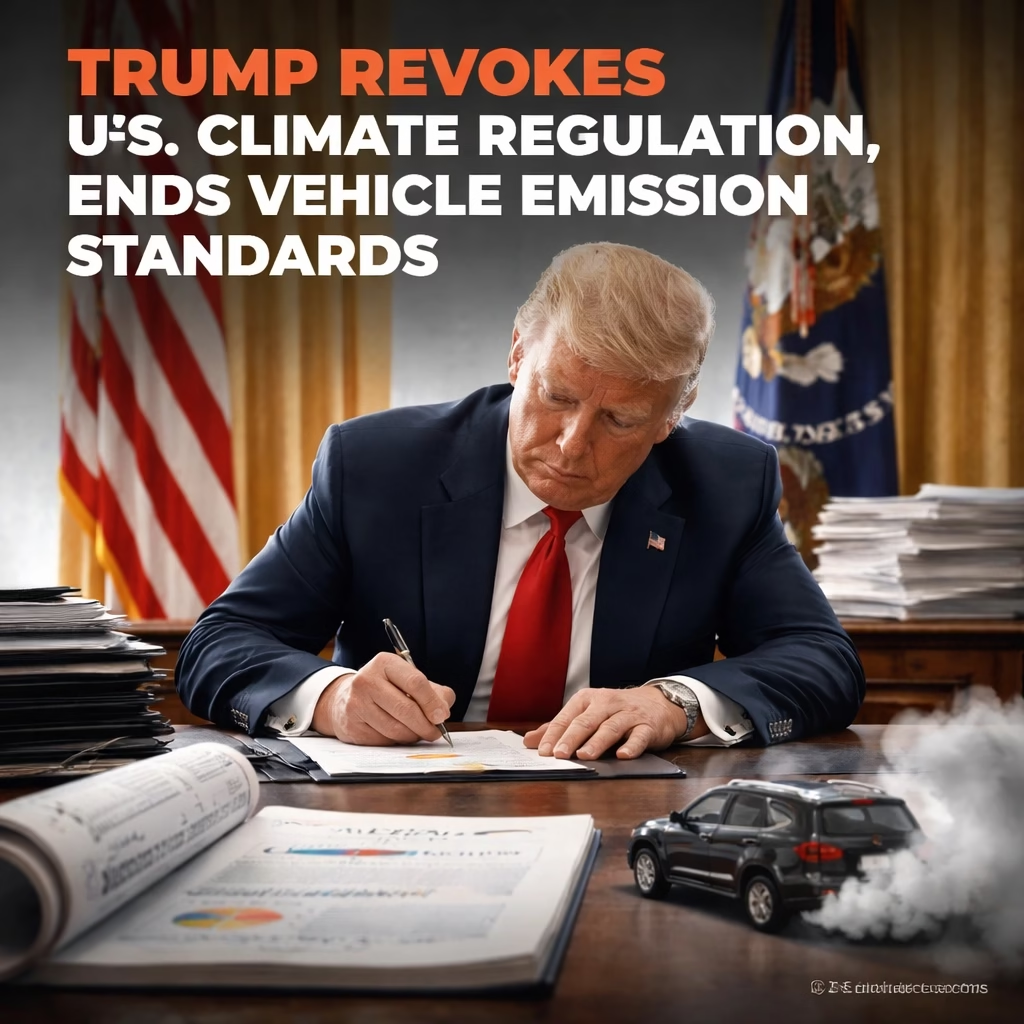
The Trump administration has taken significant action to weaken environmental regulations, targeting key measures aimed at curbing greenhouse gas emissions. Announced on December 12, 2020, the moves effectively dismantle years of progress in U.S. climate policy, impacting the automotive industry and power sector.
Background
The United States rejoined the Paris Agreement on climate change in January 2021, after withdrawing under the Obama administration in 2017. Prior to this, the Trump administration consistently downplayed the severity of climate change and prioritized economic growth, often at the expense of environmental protections. Throughout 2017 and 2018, the administration rolled back numerous environmental regulations, including those related to methane emissions, fuel efficiency standards, and Clean Power Plan targets for power plants.
The Clean Air Act, enacted in 1963, provides the legal framework for regulating air pollution in the United States. This act has been amended and strengthened over the years, with successive administrations setting emission standards for various sectors.
Key Developments
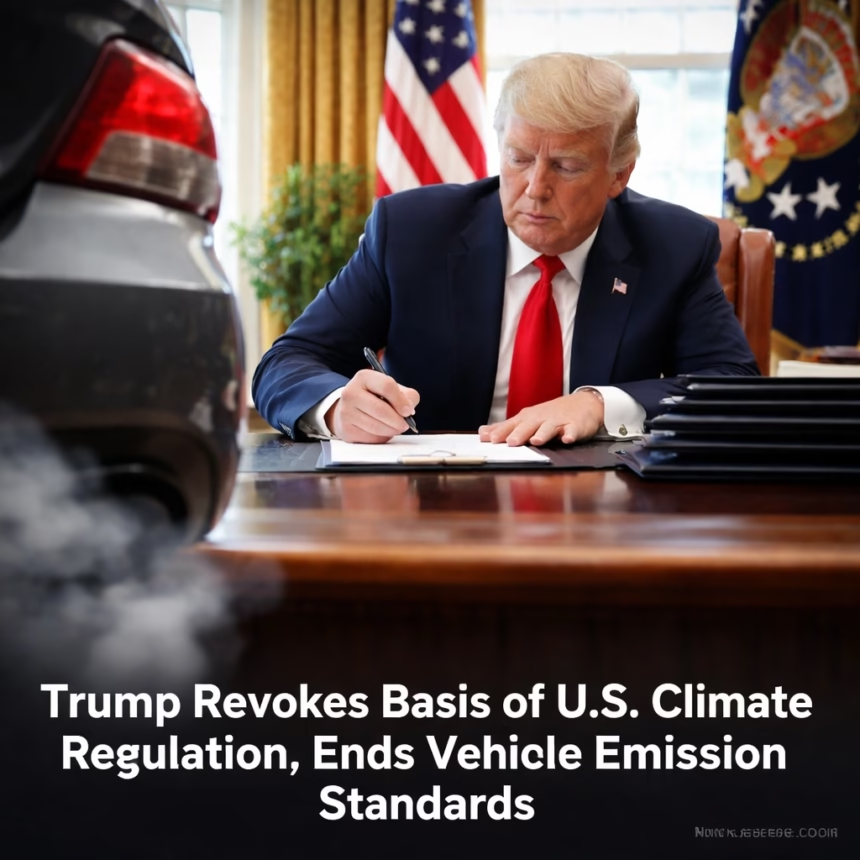
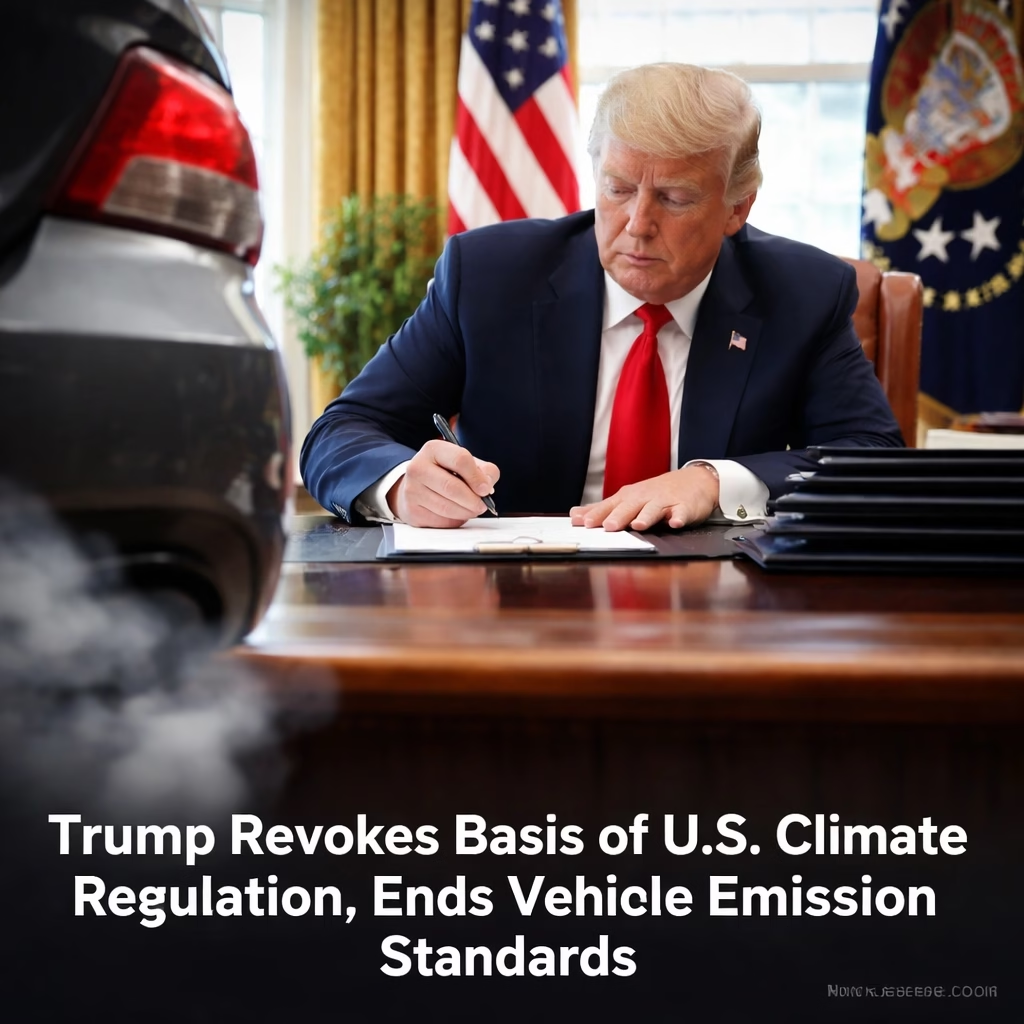
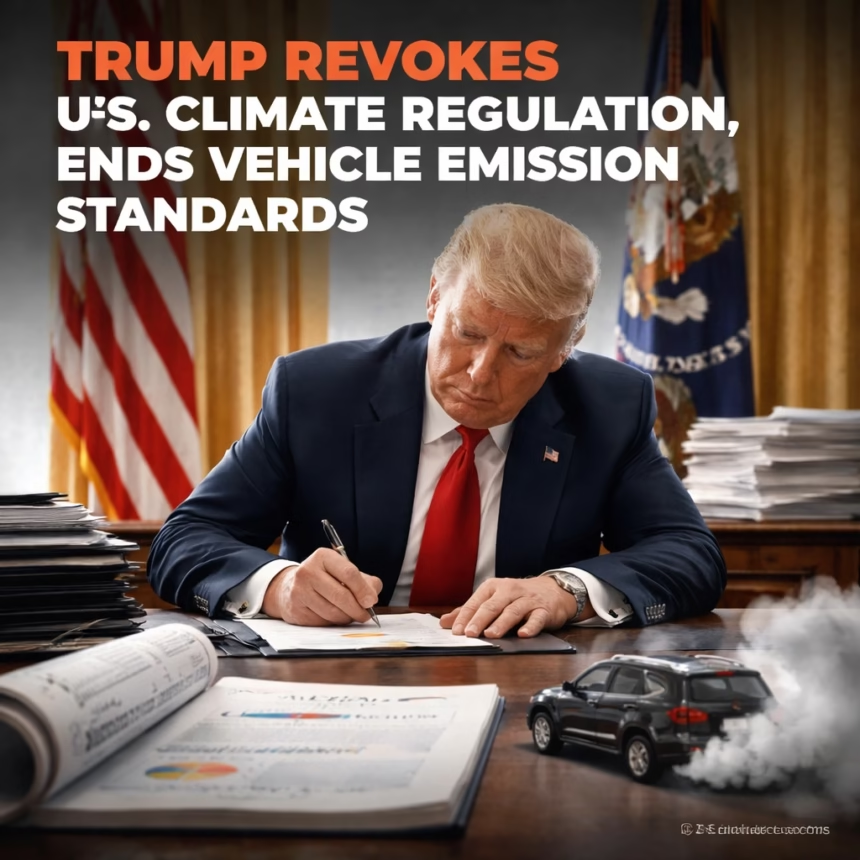
The latest series of actions, spearheaded by the Environmental Protection Agency (EPA) and the Department of Energy (DOE), specifically target vehicle emission standards and the broader framework for regulating greenhouse gas emissions under the Clean Air Act. The EPA finalized a rule on November 10, 2020, effectively revoking the Obama-era standards for new vehicles, requiring automakers to meet significantly less stringent fuel efficiency targets. This rule was based on the argument that the original standards were overly ambitious and imposed undue financial burdens on the industry.
More Read

Separately, the DOE announced plans to significantly weaken fuel economy standards for light-duty vehicles. This action, while not yet finalized, is expected to result in a substantial increase in gasoline consumption and greenhouse gas emissions from cars and trucks.
The administration also moved to redefine which greenhouse gases fall under the purview of the Clean Air Act, narrowing the scope of regulation. This change impacts the ability of the EPA to regulate certain gases, such as methane, a potent greenhouse gas.
Impact
The rollback of these regulations has far-reaching consequences. Automakers face significantly less pressure to improve fuel efficiency, potentially leading to higher gasoline prices for consumers and increased carbon emissions. The weakened regulations also undermine efforts to transition to a cleaner energy economy and combat climate change globally.
More Read

Environmental advocacy groups have widely condemned the administration’s actions, arguing they represent a betrayal of international commitments and a disregard for the long-term health of the planet. They point to the potential for increased air pollution, particularly in urban areas, leading to negative health outcomes.
The agricultural sector could also be affected, as weakened methane regulations could lead to increased emissions from livestock.
What Next?
The legality of the Trump administration's actions is being challenged in the courts. Lawsuits have been filed by state governments, environmental groups, and automakers, arguing that the rollbacks were unlawful and exceeded the EPA’s authority.
The Biden administration, which took office on January 20, 2021, is expected to reverse many of these changes. President Biden has pledged to rejoin the Paris Agreement and implement stricter climate regulations. It is anticipated that the new administration will work to reinstate the Obama-era fuel efficiency standards and develop new, more ambitious targets for reducing greenhouse gas emissions. Legal challenges to the Trump-era rules are expected to continue throughout 2021 and beyond.
Legal Challenges
Several states, including California, New York, and Massachusetts, have already initiated legal proceedings against the EPA over the rollback of vehicle emission standards. These states argue that the EPA’s decision violates the Clean Air Act and undermines their own efforts to combat climate change. The outcome of these lawsuits will significantly shape the future of climate regulation in the United States.

Congressional Action
Congress may also play a role in shaping climate policy. There is ongoing debate about potential legislation to address climate change, including proposals to invest in renewable energy, promote energy efficiency, and reduce greenhouse gas emissions. The likelihood of such legislation passing Congress in the near future remains uncertain, given the divided political landscape.