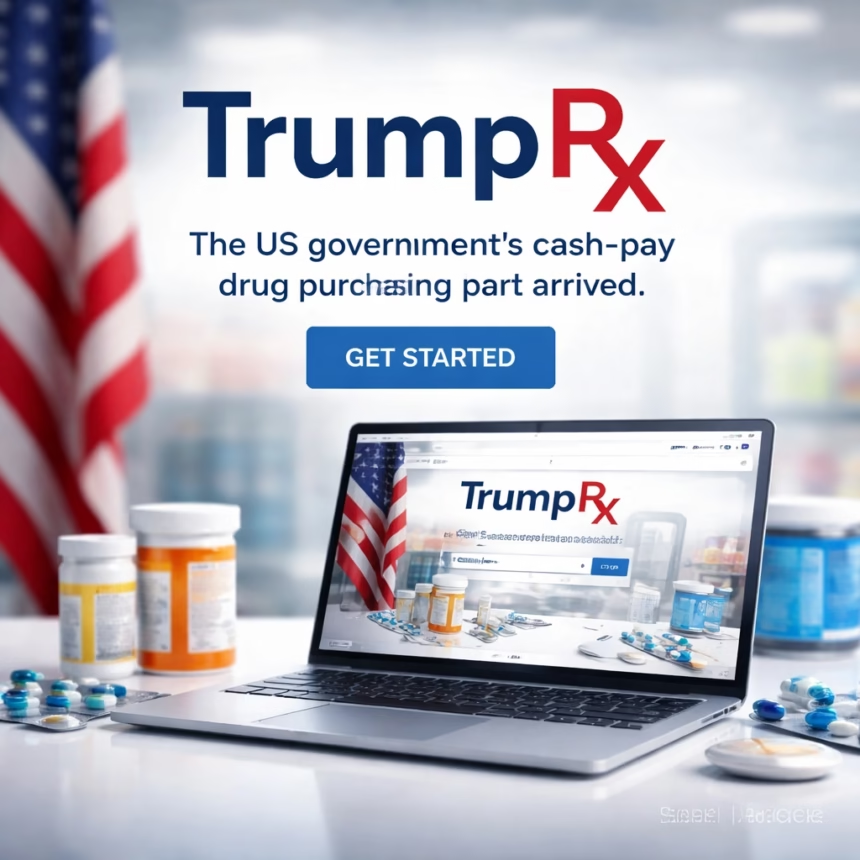
Prescription Savings Just Got Easier: A New Tool for Americans
A new online portal, officially dubbed "TrumpRx" but now operating under a different name, is available to U.S. citizens seeking to lower prescription drug costs. Launched by the Biden-Harris administration on October 20, 2023, the portal aims to provide access to discounted medications through cash purchases.
Background
The initiative stems from the Inflation Reduction Act of 2022, which authorized Medicare to negotiate prices for certain prescription drugs. The portal was initially conceived during the Trump administration as a way to offer lower prices to consumers, but its development and rollout faced delays and changes under the current administration. The original plan involved a direct purchasing option for consumers, bypassing traditional insurance routes. The initial launch was met with some technical difficulties and revisions, but the core concept of a cash-pay drug purchasing portal remained.
The Inflation Reduction Act mandated that Medicare negotiate prices on a limited number of drugs, starting with ten drugs in 2026 and expanding over time. This legislation created a need for alternative pathways for consumers to access medications at lower prices, independent of insurance coverage.
Key Developments
The portal, now officially known as the “Drug Pricing Assistance Portal,” allows individuals to purchase certain prescription medications at discounted prices. The discounted prices are based on the negotiated prices that the government has secured through the Inflation Reduction Act. Initial offerings included a limited selection of drugs, primarily those with no patent protection or those already subject to price negotiation efforts.

The launch on October 20, 2023, was accompanied by updates to the website's user interface and drug list. The Biden administration has emphasized the portal's potential to provide immediate savings for those without insurance or with high deductibles. The portal emphasizes transparency, displaying the negotiated price, the discounted cash price, and the potential savings compared to retail prices.
Early reports indicate that the portal’s selection of drugs is expected to expand gradually over the next several months, incorporating more medications as agreements with drug manufacturers are finalized.
Impact
The Drug Pricing Assistance Portal directly impacts individuals who are uninsured, underinsured, or have high prescription drug costs. It offers a potential way to access medications at significantly lower prices, particularly for those struggling with affordability. The portal is also relevant to individuals with high-deductible health plans who may be responsible for a substantial portion of their medication costs.
More Read

Pharmacists and pharmacy benefit managers (PBMs) may see changes in prescription filling patterns as consumers explore this new option. The portal could also influence the pricing strategies of pharmaceutical companies, potentially incentivizing them to offer lower prices to consumers directly.
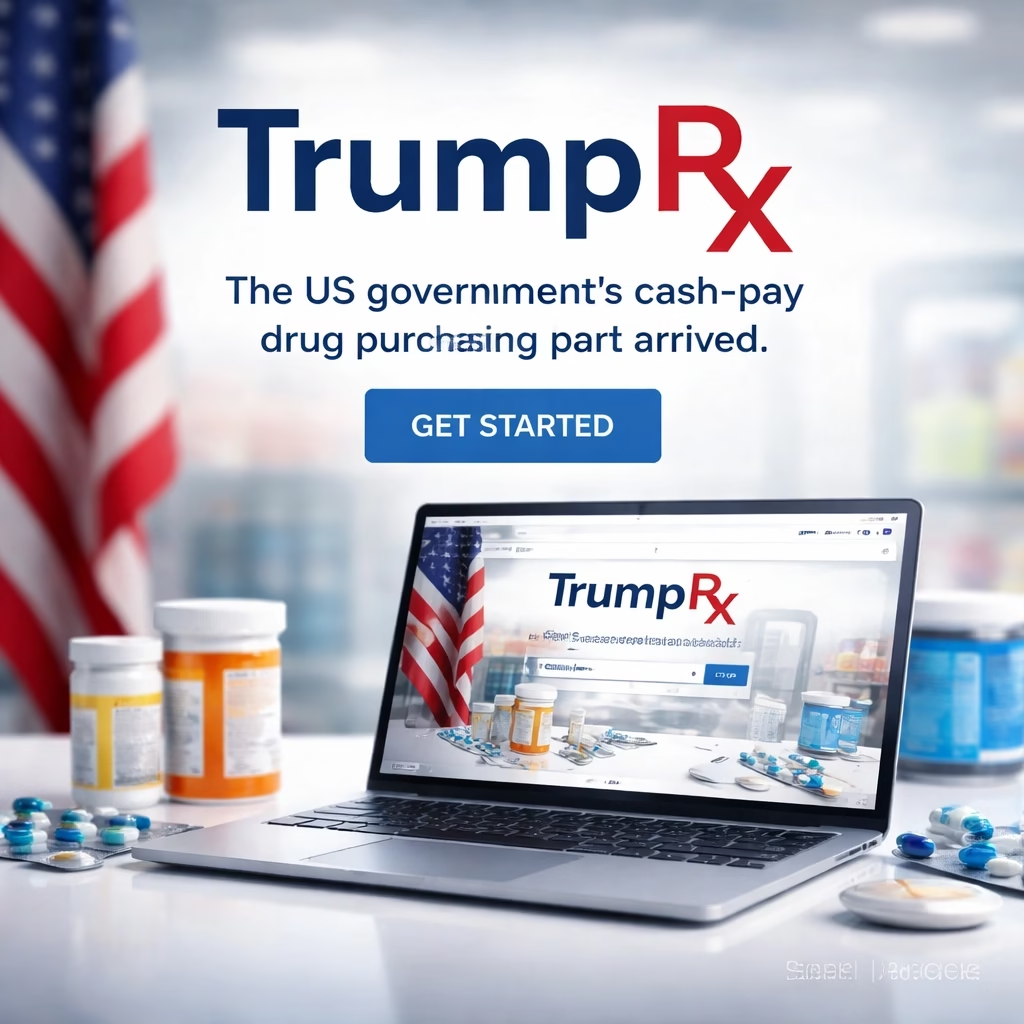
The portal's impact on the overall healthcare system is still being evaluated, but it represents a significant step towards addressing the rising cost of prescription drugs in the United States.
Eligibility
The portal is open to all U.S. residents who are purchasing medications with cash. There are no specific eligibility requirements beyond being able to make a direct payment for the drugs.
Drug Selection
Currently, the list of available medications is limited but expected to grow. The portal focuses on drugs that are either off-patent or subject to government price negotiation. Users can search for specific drugs and view their discounted prices.
What Next
The Biden administration plans to expand the selection of drugs available through the portal over time, incorporating more medications as agreements with drug manufacturers are finalized. They are also working to improve the user experience and ensure the portal is accessible to all U.S. residents.

Future plans include integrating the portal with other government programs and expanding outreach efforts to inform the public about its availability. The administration is also exploring ways to streamline the purchasing process and reduce administrative burdens.
The Department of Health and Human Services (HHS) is expected to release further updates and announcements regarding the portal's expansion and functionality in the coming months. Regular updates will be posted on the portal’s website.