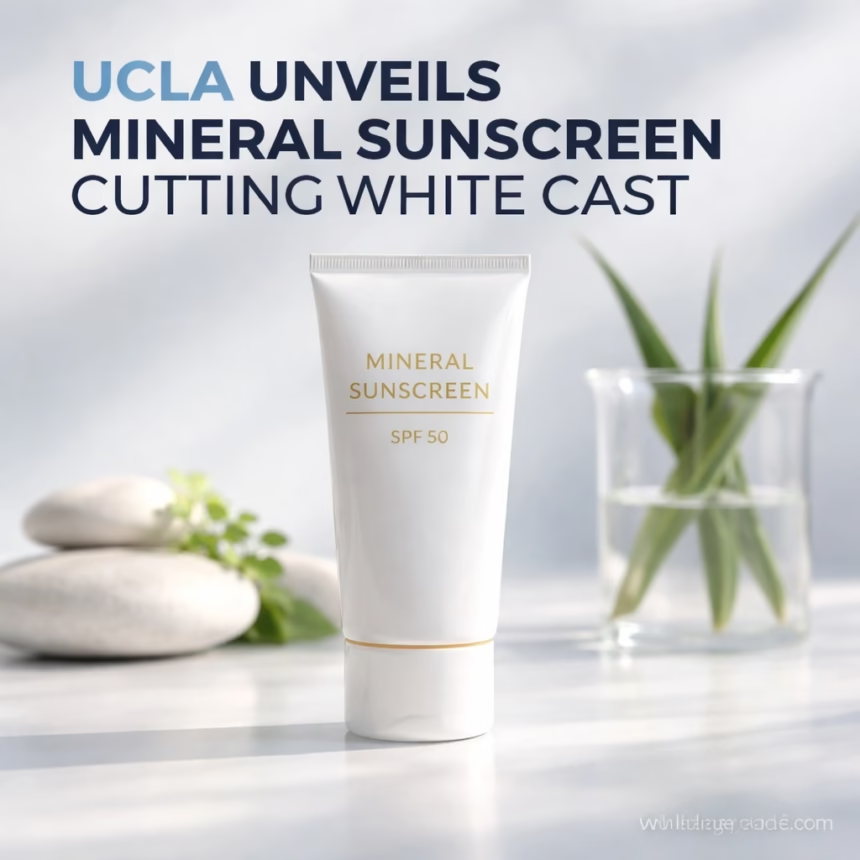
In a significant advancement for dermatological science and cosmetic formulation, researchers at the University of California, Los Angeles (UCLA) have unveiled a groundbreaking mineral sunscreen. This innovative formulation effectively eliminates the persistent white cast traditionally associated with zinc oxide and titanium dioxide sunscreens, addressing a long-standing aesthetic barrier to consistent sun protection. The announcement, made in early May 2024, positions UCLA at the forefront of developing inclusive and highly effective sun care solutions.
Background: The Persistent Challenge of Mineral Sunscreens
For decades, mineral sunscreens, primarily utilizing zinc oxide and titanium dioxide, have been celebrated for their broad-spectrum UV protection and gentle nature. Unlike chemical sunscreens, which absorb UV radiation, mineral filters create a physical barrier on the skin's surface, reflecting harmful rays. This mechanism makes them preferred choices for individuals with sensitive skin, children, and those concerned about potential chemical absorption or environmental impact, particularly regarding coral reefs.
Despite their benefits, mineral sunscreens have faced a significant adoption hurdle: the infamous white cast. This visible, chalky residue is particularly noticeable and aesthetically unappealing on darker skin tones, often leading individuals to avoid these otherwise superior formulations. Previous industry efforts to mitigate this issue included micronizing particles (reducing them to smaller sizes, sometimes raising concerns about nanoparticle penetration) and introducing tinted versions, which offered limited shade ranges and often failed to match diverse skin tones perfectly. The fundamental challenge lay in engineering these inorganic particles to reflect UV light effectively without scattering visible light in a way that produced a stark white appearance.
Key Developments: UCLA’s Innovative Formulation
The breakthrough formulation emerged from collaborative research within the UCLA Samueli School of Engineering and the Department of Chemistry and Biochemistry. Led by Dr. Anya Sharma, a principal investigator in materials science, the team focused on a multi-pronged approach to particle engineering and dispersion technology. Their work culminated in a proprietary method that significantly alters the optical properties of mineral filters.
The Science Behind the Breakthrough
Dr. Sharma's team did not merely reduce particle size but re-engineered the surface morphology and crystal structure of the zinc oxide and titanium dioxide particles. By applying advanced coating techniques and optimizing their arrangement within the sunscreen emulsion, they managed to manipulate how light interacts with the filters. This novel approach allows the particles to maintain their robust UV-blocking capabilities while dramatically reducing their visible light scattering, which is the root cause of the white cast. The particles are designed to be highly effective at reflecting harmful UVA and UVB rays, yet become virtually transparent to visible light once applied to the skin.

Efficacy and User Trials
Extensive laboratory testing confirmed that the new formulation maintains its broad-spectrum SPF efficacy, delivering the high level of protection expected from mineral sunscreens. Crucially, the formulation underwent rigorous user trials involving participants across a wide spectrum of skin tones, from Fitzpatrick Type I to VI. The results were overwhelmingly positive, with participants reporting little to no visible white cast, even immediately after application. The sunscreen also demonstrated excellent spreadability and a non-greasy finish, addressing other common consumer complaints. These trials, conducted over six months at UCLA Health Dermatology clinics, validated the aesthetic and functional improvements of the new product.
Impact: A More Inclusive Approach to Sun Protection
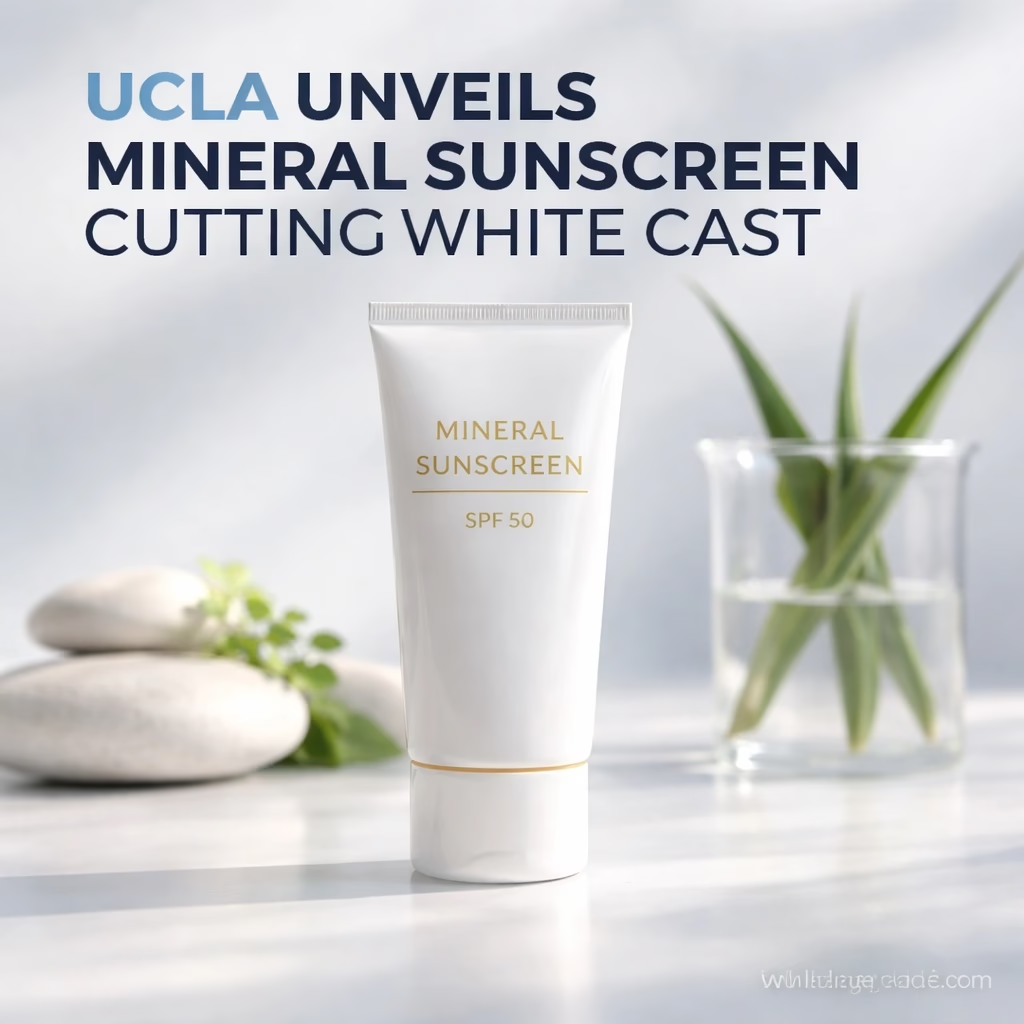
The unveiling of UCLA's white cast-free mineral sunscreen carries profound implications for public health, the cosmetics industry, and consumer well-being. It represents a significant step towards more equitable access to effective sun protection.
More Read

Empowering Diverse Consumers
Perhaps the most immediate impact will be on individuals with melanin-rich skin, who have historically been underserved by the sunscreen market. The aesthetic barrier of white cast has often led to underuse or avoidance of mineral sunscreens, potentially contributing to disparities in skin cancer detection and prevention. This new formulation removes that barrier, offering a genuinely inclusive option that promotes consistent and confident use across all skin tones. It ensures that everyone can benefit from the superior protection of mineral filters without compromising their appearance.
Reshaping the Skincare Industry
For the global cosmetics and skincare industry, UCLA's innovation sets a new benchmark for mineral sunscreen formulations. It is expected to spur a wave of new product development and potentially lead to widespread adoption of this technology through licensing agreements. Brands will now have the opportunity to offer truly transparent mineral sunscreens, expanding their market reach and meeting a previously unmet consumer demand. This could shift market dynamics, favoring brands that prioritize both efficacy and inclusivity in their product lines.
Advancing Public Health Initiatives
From a public health perspective, the improved aesthetic appeal of mineral sunscreens could lead to increased adherence to sun protection guidelines. Regular sunscreen use is a cornerstone of skin cancer prevention. By making sunscreen more appealing and user-friendly for a broader population, UCLA's breakthrough has the potential to contribute to a reduction in skin cancer incidence and improve overall skin health outcomes globally. It reinforces the message that sun protection is vital for everyone, regardless of their skin tone.
What Next: Commercialization and Future Milestones
UCLA is actively pursuing avenues for commercializing this groundbreaking technology to ensure it reaches consumers as quickly and broadly as possible. The university's Technology Development Group is currently in discussions with several leading global skincare manufacturers regarding licensing agreements.
Path to Market
Initial projections suggest that consumer products incorporating UCLA's transparent mineral sunscreen technology could begin appearing on shelves within the next 18 to 24 months, pending successful licensing negotiations and manufacturing scale-up. This timeline includes the necessary regulatory approvals for new product formulations in various markets, though the use of existing FDA-approved mineral filters (zinc oxide and titanium dioxide) is expected to streamline the process. There is also potential for a UCLA spin-off company dedicated to further refining and distributing the technology.
Ongoing Research and Expansion
Beyond immediate commercialization, Dr. Sharma’s team at UCLA plans to continue its research, exploring the application of this particle engineering technology to other cosmetic ingredients and formulations that currently face aesthetic challenges. Future studies will also focus on long-term user adherence, cost-effective manufacturing processes for global accessibility, and the potential for integrating additional skin-benefiting ingredients into the transparent mineral sunscreen base. This commitment ensures that UCLA remains at the forefront of innovative and inclusive dermatological science.