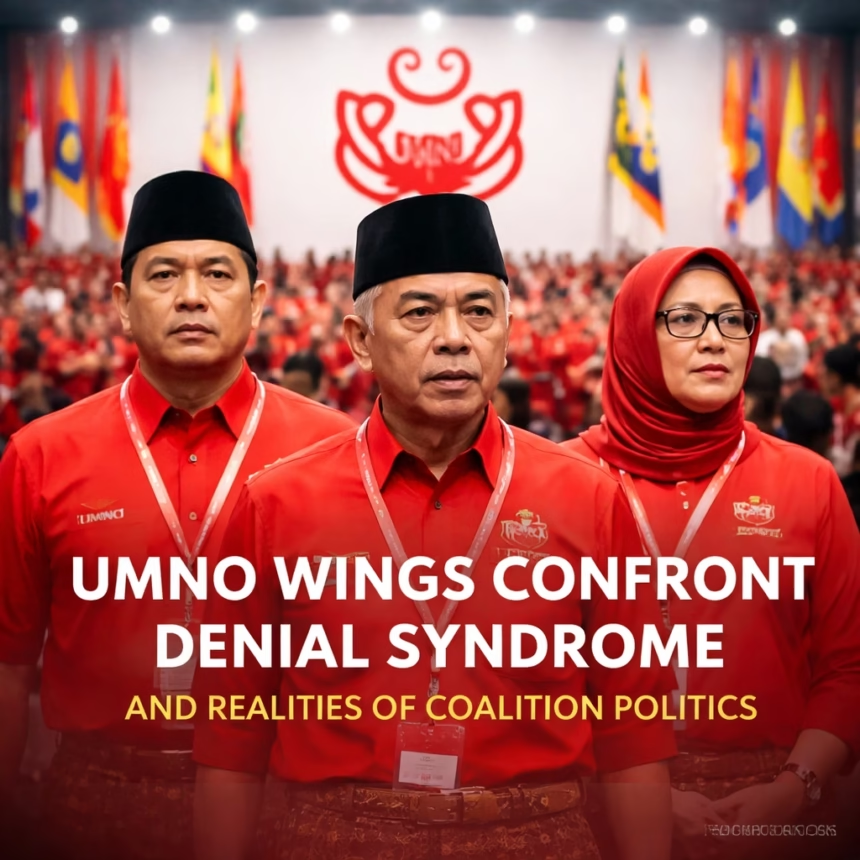
Umno's Internal Struggle: Facing Political Winds of Change
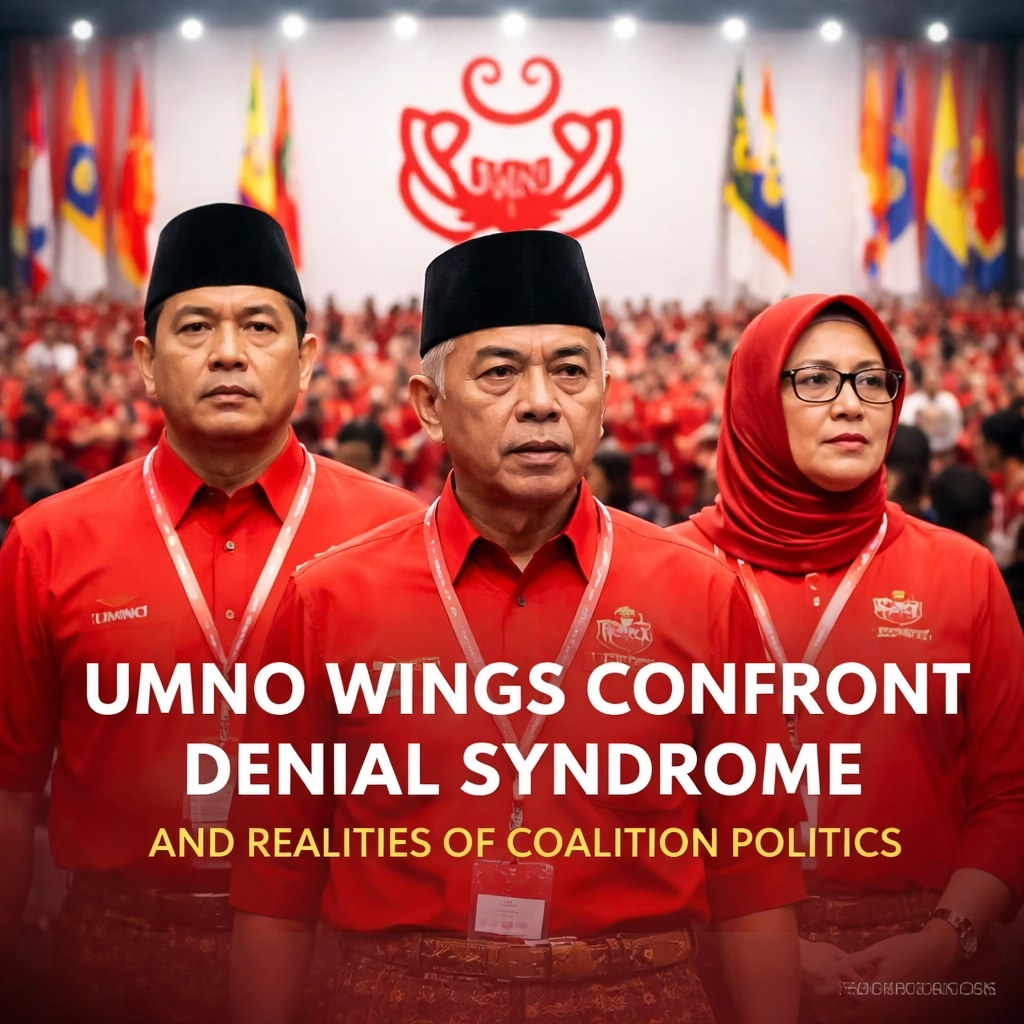
Kuala Lumpur, Malaysia – Internal disagreements within Malaysia's ruling United Malays National Organisation (Umno) are becoming increasingly visible as the party grapples with the complexities of coalition politics and evolving political landscapes. These tensions surfaced prominently during recent party meetings and public statements, signaling a potential shift in Umno's approach to governance.
Background: A Legacy of Power and Shifting Sands
Umno has been a dominant force in Malaysian politics since the country's independence in 1957. For decades, it led the Barisan Nasional (BN) coalition, a broad alliance of parties that governed Malaysia until its defeat in the 2018 general election. The loss marked a significant turning point, forcing Umno to adapt to a new reality as a ruling coalition partner within the Perikatan Nasional (PN) government led by Prime Minister Datuk Seri Anwar Ibrahim.
The 2018 election saw a dramatic shift in voter sentiment, with a surge in support for opposition parties, fueled by concerns over corruption and economic inequality. This electoral defeat prompted internal reforms within Umno, including leadership changes and efforts to modernize the party's image. However, these reforms have not fully addressed underlying tensions regarding power-sharing, policy direction, and the party’s future role in the political arena.
Key Developments: Public Disputes and Policy Divergences
Recent months have witnessed a series of public disagreements and policy divergences within Umno. Discussions surrounding the proposed amendments to the Pengurada Act, a law affecting the judiciary, have exposed deep divisions between factions within the party. Some Umno leaders have voiced concerns about the potential impact of the amendments on the independence of the judiciary, while others have expressed support for the government’s agenda.
More Read
Furthermore, disagreements have emerged regarding the direction of economic policy under the PN government. While Umno generally supports the government’s efforts to promote economic growth, there are differing views on the best strategies to achieve this, particularly concerning foreign investment and national development.
The recent suspension of several Umno state leaders, ostensibly for alleged misconduct, has further intensified internal tensions. These suspensions have been interpreted by some as attempts to consolidate power within the party leadership, while others view them as necessary measures to maintain discipline and uphold party standards.
Impact: Coalition Stability and Political Future
The internal divisions within Umno have significant implications for the stability of the PN coalition. As a key partner in the government, Umno’s internal conflicts can create uncertainty and instability, potentially affecting the government’s ability to implement its policies effectively.
The disagreements also impact the party's standing with voters. Public perceptions of Umno are being shaped by the ongoing internal disputes, with some voters questioning the party's ability to provide strong and consistent leadership. This could potentially affect Umno’s electoral prospects in future elections.
The current environment also complicates the party's efforts to attract younger members and revitalize its image. The perception of infighting and outdated leadership may deter potential recruits and undermine efforts to modernize the party.
What Next: Negotiations and Strategic Realignment
Upcoming Party Meetings
Umno is scheduled to hold several key meetings in the coming weeks, including a Supreme Council meeting in June. These meetings are expected to focus on addressing the internal divisions and charting a course for the party’s future.
Coalition Dialogue
Ongoing dialogues between Umno and other coalition partners are crucial for maintaining stability within the PN government. Negotiations are likely to continue regarding policy direction and power-sharing arrangements.
Leadership Consolidation
Analysts predict that the current period of internal turmoil could lead to a further consolidation of power within the Umno leadership. The party’s president, Datuk Seri Dr. Hamzah Zainuddin, faces the challenge of navigating these divisions and maintaining unity within the party.
More Read

The coming months will be critical in determining whether Umno can overcome its internal challenges and effectively play its role in Malaysia's political landscape. The ability of the party to reconcile its factions and present a united front will be crucial for its survival and future relevance.