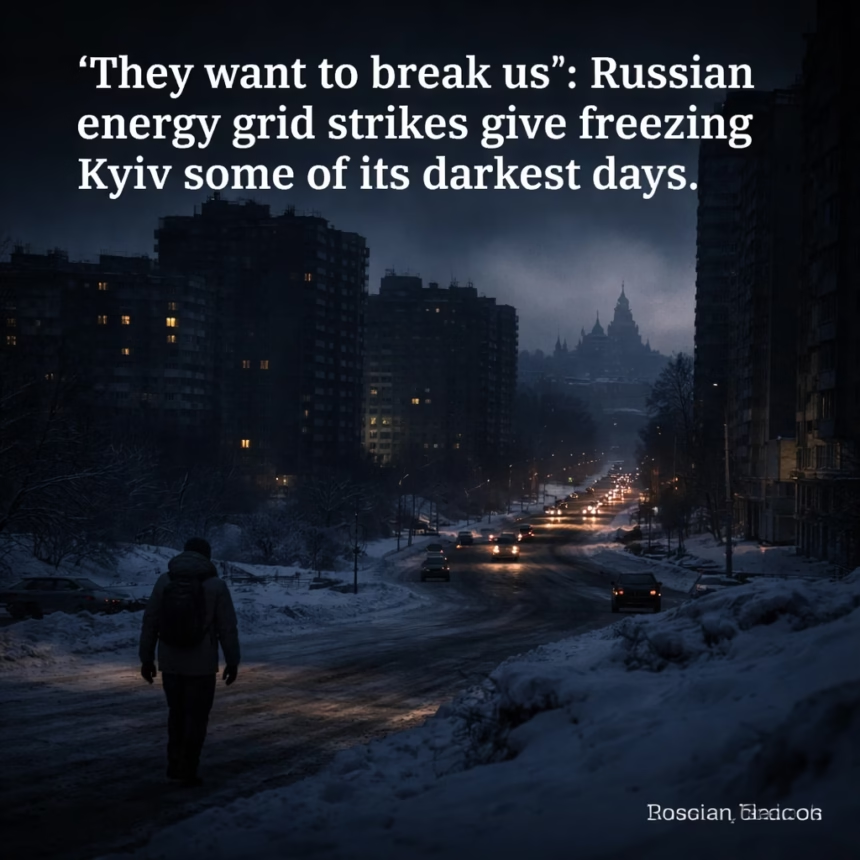
Russia’s Devastating Strikes on Ukraine’s Energy Grid Leave Millions in the Dark
Kyiv, Ukraine — As temperatures plummet, Russia’s relentless strikes on Ukraine’s energy infrastructure have plunged millions into darkness, raising fears of a humanitarian crisis in the coming weeks. The latest wave of attacks, which began earlier this month, has left major cities like Kyiv, Kharkiv, and Odesa facing prolonged power outages, forcing residents to rely on generators and makeshift heating solutions.
Background (context and timeline)
Since October 2022, Russia has systematically targeted Ukraine’s energy grid, aiming to cripple the country’s ability to sustain essential services through the winter. The attacks, often carried out using long-range missiles and drones, have intensified in recent weeks, coinciding with Ukraine’s increasing military gains on the battlefield. Ukrainian officials warn that the strikes are part of a broader strategy to force Ukraine into a negotiated settlement on Moscow’s terms.
In response, Ukraine has implemented rolling blackouts and urged residents to conserve energy, but the damage has been overwhelming. Over 40% of the country’s energy infrastructure has been destroyed, according to Ukrainian authorities, with repairs becoming increasingly difficult amid the ongoing war.
Key developments (recent changes)
On December 15, a massive Russian missile and drone barrage targeted energy facilities across Ukraine, causing widespread outages. Kyiv, which endured one of its longest blackouts in recent months, saw power restored only after 12 hours in some areas. Similar attacks were reported in Lviv, Dnipro, and other major cities, leaving thousands without heat or electricity in sub-zero temperatures.

Ukrainian President Volodymyr Zelensky has accused Russia of "deliberately targeting civilian infrastructure" in an attempt to break Ukrainian morale. The Kremlin, meanwhile, claims the strikes are aimed at military targets, though satellite imagery and independent reports suggest otherwise.
Impact (who is affected)
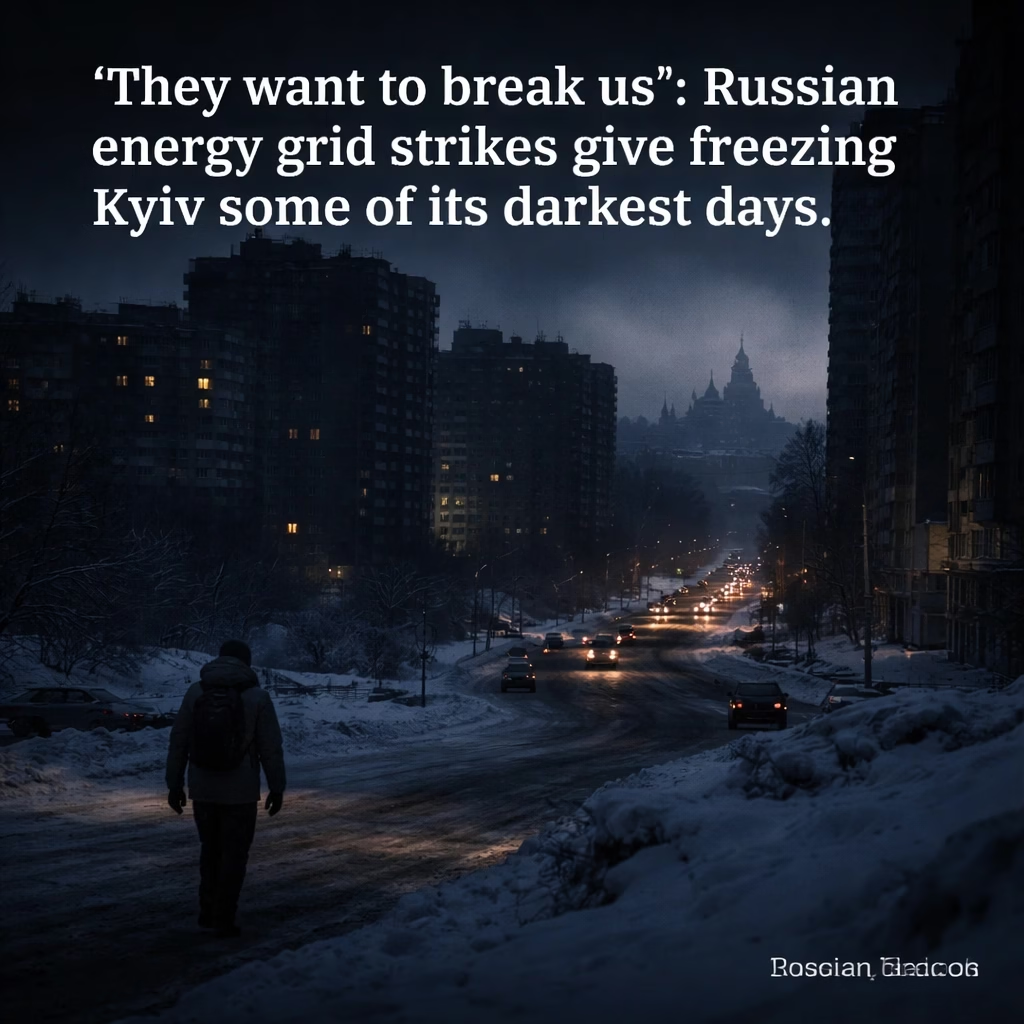
The worst-hit regions include Kyiv, Kharkiv, and Odesa, where hospitals, schools, and water treatment plants have faced disruptions. Residents are forced to wait in long lines for water, rely on electric stoves for warmth, and cope with limited internet access. The United Nations has warned of a looming humanitarian crisis, with millions at risk of losing access to clean water and heating as the winter deepens.
More Read

Ukraine’s energy ministry has stated that emergency repairs are ongoing, but the scale of destruction means that full restoration could take months, if not years. The situation is particularly dire in frontline regions like Donetsk and Luhansk, where power outages have become a daily occurrence.
What next (expected milestones)
Ukrainian officials are racing to fortify critical infrastructure, including underground power lines and backup generators, but the constant threat of further attacks makes long-term solutions difficult. International aid, including energy-generating equipment and financial support, is being sought to help Ukraine endure the winter.
As the conflict enters its third year, the resilience of Ukraine’s population remains a key factor. Despite the hardships, many Ukrainians have expressed determination to withstand the attacks and continue their fight for sovereignty. Meanwhile, Western nations are considering further military and economic aid to help Ukraine withstand the winter offensive.