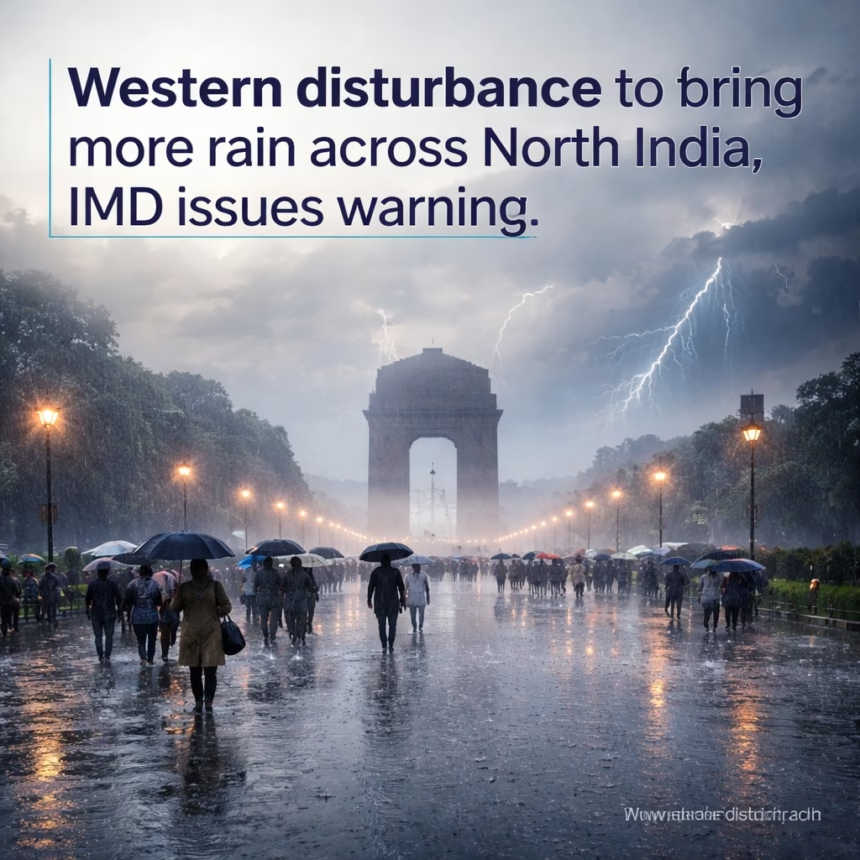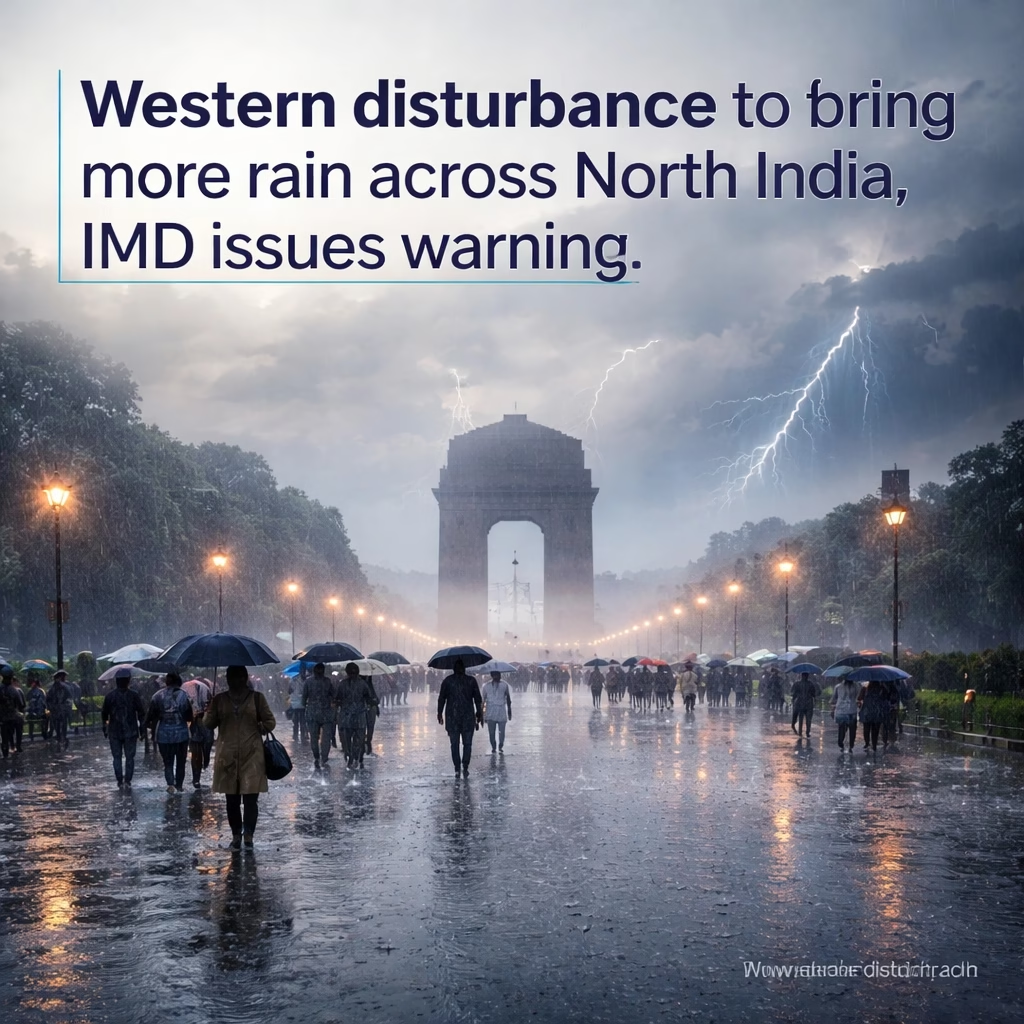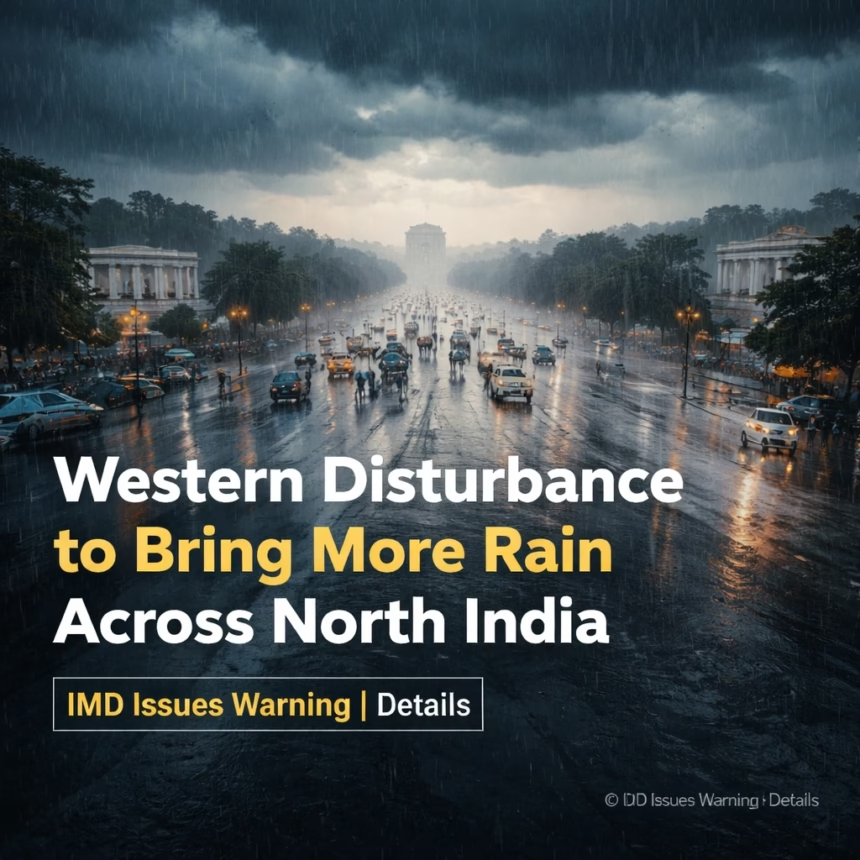
Western disturbance to bring more rain across North India, IMD issues warning | Details | India News

Viral_X
By
Viral_X
5 Min Read
#image_title

Monsoon Revival: Relief or Ruin? North India Braces for Heavy Downpours

A Western disturbance is bringing a significant shift in weather patterns across North India, promising much-needed rainfall after a period of dry conditions. The India Meteorological Department (IMD) has issued warnings for several states, urging residents to take precautions. This development is unfolding from October 26th, 2023.

Background: A Dry Spell and Anticipation

North India has been experiencing a relatively dry spell in the lead-up to the peak monsoon season. Several regions, including Delhi, Haryana, and parts of Uttar Pradesh, have recorded rainfall significantly below average for this time of year. This dryness has raised concerns about crop yields and water availability for irrigation. The IMD had been closely monitoring the formation and trajectory of Western disturbances, which are typically responsible for bringing rainfall to the region during the post-monsoon season.

A Western disturbance is essentially a cyclonic eddy originating from the Mediterranean Sea. It travels eastward, drawing moisture from the Arabian Sea and bringing rain-laden winds to the Indian subcontinent. The frequency and intensity of these disturbances vary from year to year, but they play a crucial role in replenishing water resources in North India.

Key Developments: Intensifying Weather Activity

Over the past few days, the Western disturbance has intensified, moving closer to the northern plains. The IMD has upgraded its warnings from advisories to alerts in several states. As of October 27th, 2023, the disturbance is expected to bring widespread rainfall, with some areas experiencing heavy to very heavy showers.

Specifically, the IMD has issued a red alert for Himachal Pradesh and Uttarakhand, indicating the potential for extremely heavy rainfall and landslides. Orange alerts are in place for Punjab, Haryana, Chandigarh, Delhi, and parts of Uttar Pradesh. The rainfall is expected to be concentrated in the foothills of the Himalayas and the plains of northern India.

Impact: Potential Disruptions and Challenges

The anticipated heavy rainfall poses a range of challenges and potential disruptions. Agriculture is a major concern, with the risk of waterlogging and damage to crops, particularly in states like Punjab and Haryana which are heavily reliant on kharif (monsoon) cultivation. Farmers are advised to take measures to protect their crops and livestock.

Urban areas, particularly Delhi and surrounding regions, are also bracing for potential flooding. The city's drainage system is already under strain, and heavy rainfall could exacerbate the situation. Authorities are urging residents to avoid low-lying areas and to be prepared for traffic disruptions.

In mountainous regions like Himachal Pradesh and Uttarakhand, the heavy rainfall increases the risk of landslides and flash floods. Roads and infrastructure could be damaged, leading to isolation and hindering rescue efforts. The tourism industry in these states may also be affected.

Specific State Impacts

  • Himachal Pradesh: Red alert issued; risk of landslides and flash floods.
  • Uttarakhand: Red alert issued; potential for heavy rainfall and landslides.
  • Punjab & Haryana: Orange alert issued; potential for waterlogging and crop damage.
  • Delhi: Orange alert issued; potential for flooding and traffic disruptions.
  • Uttar Pradesh: Orange alert issued for parts of the state.

What Next: Monitoring and Forecasts

The IMD is closely monitoring the movement of the Western disturbance and will continue to issue updates and forecasts. The rainfall is expected to persist for the next 48-72 hours, with the intensity varying from region to region. The IMD has also warned of gusty winds and lightning in some areas.

Experts predict that the rainfall could help alleviate the ongoing drought conditions in parts of North India and replenish water reservoirs. However, the heavy rainfall also carries the risk of flooding and landslides, highlighting the need for proactive measures and preparedness. The situation will continue to be monitored closely by meteorological departments across the region.
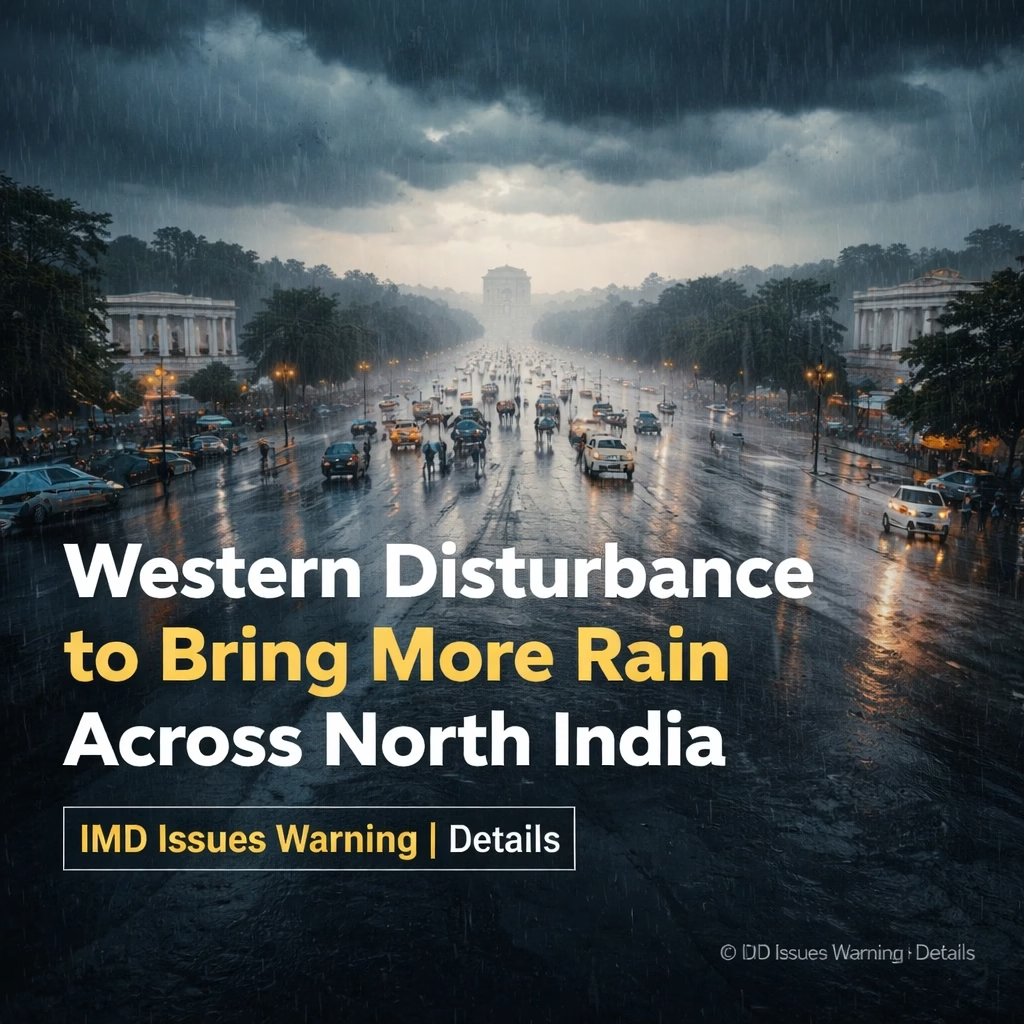
Western disturbance to bring more rain across North India, IMD issues warning | Details | India News

Longer-Term Implications

The impact of this rainfall event will be closely watched by agricultural economists and water resource managers. The amount of rainfall received will determine the extent to which the drought conditions are mitigated and the impact on future crop yields. Long-term water management strategies will be crucial in ensuring sustainable water availability in North India.

Share This Article

Western disturbance to bring more rain across North India, IMD issues warning | Details | India News

Viral_X
By
Viral_X
8 Min Read
#image_title

The India Meteorological Department (IMD) has issued a comprehensive warning for several states across North India, predicting widespread rainfall, thunderstorms, and hailstorms over the coming days. A potent Western Disturbance is poised to impact regions including Punjab, Haryana, Chandigarh, Delhi, Uttar Pradesh, Rajasthan, Himachal Pradesh, and Uttarakhand, commencing from late January and extending into early February. Residents are advised to prepare for significant weather disruptions and a notable drop in temperatures.

Background: Understanding the Western Disturbance

A Western Disturbance is an extra-tropical storm originating in the Mediterranean region that brings sudden winter rain to the northwestern parts of the Indian subcontinent. These disturbances are crucial for the development of the Rabi crop, which includes wheat, barley, mustard, and gram. They typically carry moisture-laden winds from the Caspian Sea and the Mediterranean, traversing across Iran, Afghanistan, and Pakistan before reaching India.

Historically, Western Disturbances are a regular feature of India's winter weather, contributing to snowfall in the Himalayan region and rainfall in the northern plains. The intensity and frequency of these systems can vary significantly each year. This particular disturbance is noted for its anticipated strength and widespread impact, differing from the milder or less frequent WDs observed earlier in the winter season.

The current meteorological setup indicates a robust trough in the mid-tropospheric westerlies, a characteristic signature of a powerful Western Disturbance. This system is interacting with moisture feed from the Arabian Sea, enhancing its potential for heavy precipitation and severe weather events across a broad geographical area.

Key Developments: IMD’s Latest Forecast

The India Meteorological Department's latest bulletin details a multi-day period of intense weather activity. The disturbance is expected to make its presence felt starting late on Wednesday, January 31st, with its peak intensity projected for Thursday, February 1st, and Friday, February 2nd.

An "orange" alert has been issued for several key regions, including Punjab, Haryana, Chandigarh, Delhi, and West Uttar Pradesh. This alert signifies that residents should be prepared for significant disruption and potential danger. Rajasthan and East Uttar Pradesh are under a "yellow" alert, indicating a need to be aware of potentially hazardous weather.

Western disturbance to bring more rain across North India, IMD issues warning | Details | India News

Forecasts indicate moderate to heavy rainfall across the affected plains, with isolated instances of very heavy falls not ruled out, particularly over Punjab and Haryana. Hill states like Himachal Pradesh, Uttarakhand, and Jammu & Kashmir are expected to receive widespread moderate to heavy snowfall, with some areas experiencing very heavy falls, especially at higher altitudes.

A significant concern is the high probability of hailstorms. These are predicted for Punjab, Haryana, Chandigarh, Delhi, West Uttar Pradesh, and northern Rajasthan on February 1st and 2nd. Accompanied by gusty winds reaching speeds of 30-40 kilometers per hour, these hailstorms pose a substantial risk to crops and property. Thunderstorms with lightning are also expected to be prevalent during this period.

Impact: Who and What is Affected

The impending weather system is set to have far-reaching implications across various sectors, from agriculture to daily life and public health.

Agricultural Concerns

Farmers, particularly those in Punjab, Haryana, and Uttar Pradesh, are on high alert. While winter rains are generally beneficial for Rabi crops like wheat, mustard, and gram, providing much-needed irrigation, the intensity of this particular disturbance raises concerns. Hailstorms and strong gusty winds can cause significant damage, leading to crop lodging (flattening of crops) and direct physical harm to the produce. The IMD has advised farmers to take all necessary precautionary measures to mitigate potential losses.

Commuter and Travel Disruptions

Urban centers, especially the Delhi-National Capital Region (NCR), are bracing for significant traffic disruptions. Waterlogging on roads is a common consequence of heavy rainfall, leading to slower commutes and increased congestion. Flight operations at major airports, including Delhi's Indira Gandhi International Airport, could face delays or cancellations due to adverse weather conditions, including low visibility and strong winds. Railway services might also experience rescheduling or delays across the northern network.

In the hilly regions, heavy snowfall is likely to lead to road closures, particularly on high-altitude passes and arterial routes connecting major towns. Travelers planning visits to destinations like Shimla, Manali, Srinagar, or Dehradun are advised to check local advisories before commencing their journeys.

Public Health and Safety

The rainfall, coupled with the subsequent clearing of skies, is expected to bring a significant drop in minimum temperatures across North India. This will intensify cold wave conditions, posing risks to vulnerable populations, including the homeless and elderly. Health authorities recommend taking precautions against cold-related illnesses such such as hypothermia and respiratory issues. The combination of cold and moisture can also exacerbate existing health conditions.

Infrastructure and Services

Heavy rainfall can lead to localized waterlogging in urban areas, potentially straining drainage systems. Power outages are also a possibility, especially in areas experiencing strong winds and hailstorms, which can damage power lines and infrastructure. Municipal corporations and disaster management authorities in affected states are preparing to address these challenges, with emergency response teams on standby.

What Next: Outlook and Preparedness

The intense weather spell is anticipated to gradually subside by Saturday, February 3rd, with conditions returning to normal by Sunday, February 4th, or Monday, February 5th. However, the immediate aftermath of the Western Disturbance will likely usher in a period of intense cold.

Following the departure of the system, a significant dip in minimum temperatures is expected across the plains of Northwest India. This will lead to a renewed and possibly more severe cold wave, with clear skies but biting cold winds. Maximum temperatures are also likely to remain subdued for several days post-rainfall.

The India Meteorological Department will continue to monitor the situation closely and issue updated forecasts and warnings as needed. State disaster management authorities in Punjab, Haryana, Uttar Pradesh, Rajasthan, Himachal Pradesh, Uttarakhand, and Jammu & Kashmir are coordinating efforts to ensure preparedness and response capabilities. Residents are urged to stay informed through official channels, avoid unnecessary travel during peak weather activity, and take all necessary precautions to ensure their safety and well-being. Farmers are specifically advised to protect their crops from potential hail damage and strong winds.

Share This Article