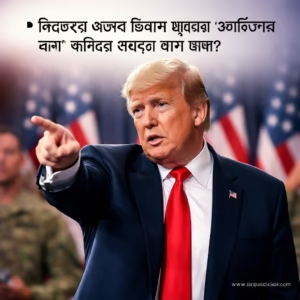
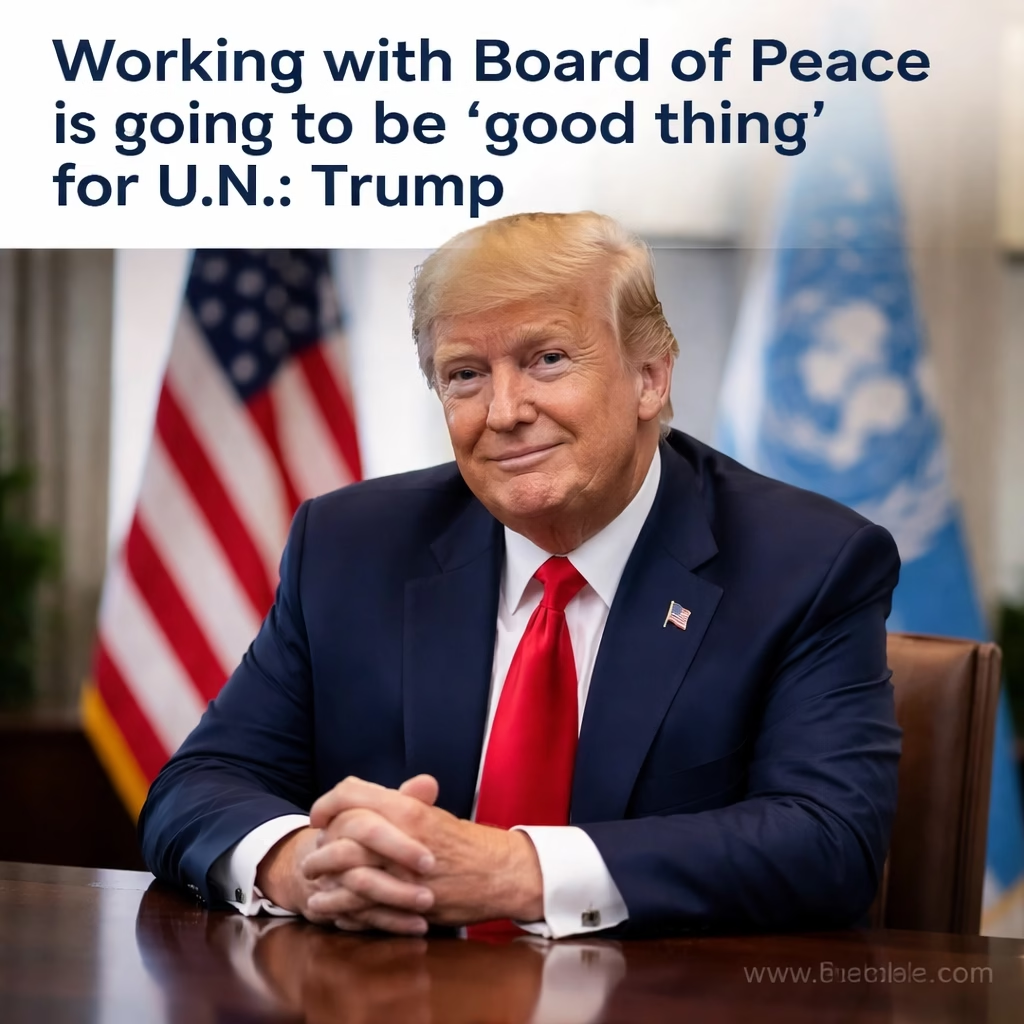
New York, NY – Former President Donald Trump has lauded the establishment of the "Board of Peace," a newly formed body within the United Nations, calling it a “good thing” for the organization and global stability. The announcement came during a virtual meeting with UN officials on October 26, 2023, marking a significant shift in the U.S. perspective on the UN’s role in international affairs.
Background: A New Chapter for UN Diplomacy
The Board of Peace was officially established by the United Nations Security Council on September 15, 2023. The initiative was spearheaded by a coalition of member states, including the United States, the United Kingdom, and several nations in the Global South. The purpose of the Board is to foster dialogue and collaboration on conflict prevention, peacekeeping, and humanitarian assistance. It aims to provide a more inclusive and representative forum for addressing global challenges, moving beyond traditional bureaucratic structures within the UN. The creation of the Board represents a response to growing concerns about the effectiveness and relevance of the existing UN system in the face of escalating geopolitical tensions.
Key Developments: From Proposal to Reality
The idea for a revamped UN mechanism to address peace and security has been discussed for several years. However, concrete steps towards its implementation were accelerated following discussions between U.S. officials and key UN representatives in the spring of 2023. A draft resolution outlining the Board's mandate and structure was circulated to the Security Council in June 2023 and subsequently approved on September 15th. The Board's initial membership consists of representatives from 193 UN member states, ensuring broad participation. The composition of the Board includes designated representatives from key regions – including Africa, Asia, Latin America, and the Middle East – reflecting a commitment to greater geographic representation. Furthermore, the Board will have a dedicated secretariat, staffed by experienced diplomats and experts in conflict resolution.
Impact: A Potential Game Changer
The establishment of the Board of Peace is expected to have a ripple effect across the UN’s operations. It could enhance the organization’s capacity to respond to emerging crises, improve coordination among UN agencies involved in peace and security efforts, and provide a platform for innovative solutions. The Board has the potential to strengthen partnerships between the UN and regional organizations, civil society groups, and the private sector, promoting a more holistic approach to peacebuilding. Specifically, the Board is anticipated to assist in conflict mediation efforts, support humanitarian aid delivery, and promote sustainable development in conflict-affected areas. The impact will be felt directly by populations living in regions facing conflict, as well as by international organizations and governments involved in global peace and security.
More Read

What Next: Building Momentum
The Board of Peace is now focused on operationalizing its mandate. The first major activity planned is a series of consultations with member states and stakeholders to identify priority areas for focus. These consultations will inform the development of specific programs and initiatives. The Board will also be tasked with conducting a comprehensive review of the UN's current peace and security architecture to identify areas for improvement. A key milestone is the launch of a dedicated online platform for sharing information and best practices on conflict prevention and resolution. The Board is expected to hold its first formal meeting in December 2023, bringing together representatives from around the world to discuss pressing global challenges. The success of the Board will depend on the continued commitment of member states and the effective collaboration of UN agencies and partners.
Challenges and Opportunities
One of the primary challenges facing the Board will be ensuring its independence and impartiality. Critics have raised concerns about potential political interference and the influence of powerful member states. Another challenge will be mobilizing sufficient resources to support the Board’s operations. While the UN has pledged to provide financial assistance, securing adequate funding will be crucial for the Board to effectively address global challenges. Despite these challenges, the Board of Peace represents a significant opportunity to strengthen the UN’s role in promoting peace and security and to build a more just and sustainable world. The initiative has garnered considerable attention from policymakers and civil society alike, signaling a renewed interest in the UN’s capacity to address global challenges.