Mpox Concerns Rise: Zambia Tracks Growing Outbreak
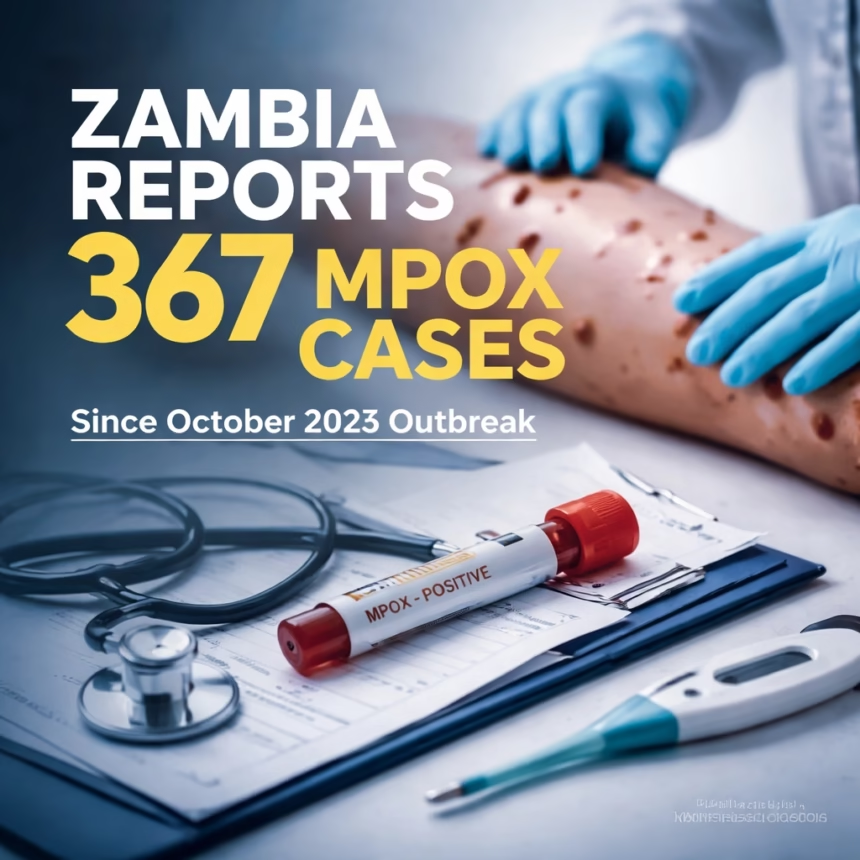
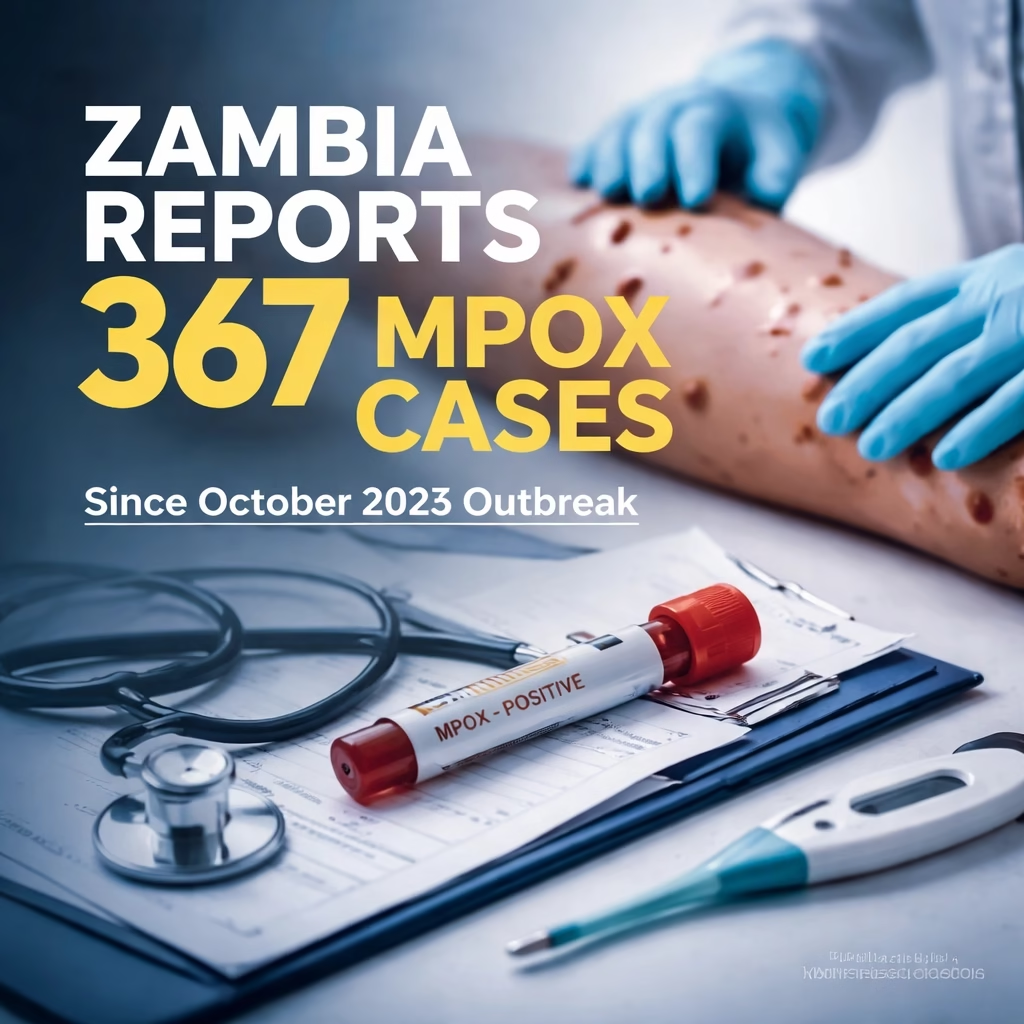
Zambia is facing a concerning outbreak of mpox, also known as monkeypox, with over 367 cases reported since the start of the outbreak in October 2024. The cases have been detected across multiple provinces, prompting public health officials to increase surveillance and awareness efforts.
Background: Understanding the Outbreak
The current mpox outbreak in Zambia began in October 2024. Initial cases were identified in Lusaka, the capital city, but the virus has since spread to other provinces including Copperbelt, Matope, and Western. The Ministry of Health has been actively monitoring the situation, working with partners like the World Health Organization (WHO) to understand the spread and implement control measures. Mpox typically presents with symptoms resembling chickenpox, including skin rashes and blisters, but can also involve fever, headache, muscle aches, and swollen lymph nodes.
While mpox is less severe than monkeypox, it can still pose a risk, particularly to vulnerable populations. The WHO has emphasized the importance of early detection and isolation to prevent further transmission.
Key Developments: Recent Updates
Over the past month, the number of reported cases has steadily increased. As of November 20, 2024, the total confirmed cases stand at 367. Recent testing efforts have identified cases in both men who have sex with men (MSM) and heterosexual individuals. The Ministry of Health has been focusing on community outreach programs and awareness campaigns in high-risk areas. Diagnostic testing capacity has been bolstered, allowing for more accurate and timely identification of cases.
More Read

The government has also implemented targeted public health messaging, advising individuals exhibiting symptoms to seek medical attention immediately and encouraging safe sexual practices. Collaboration with local healthcare providers has been crucial in expanding testing and treatment access.
Impact: Who is Affected?
While mpox can affect anyone, the current outbreak in Zambia appears to be disproportionately affecting men who have sex with men (MSM). However, the Ministry of Health emphasizes that mpox is not limited to this population and anyone who develops symptoms should seek medical evaluation. The outbreak has placed a strain on the healthcare system, particularly in Lusaka and other urban centers. There have been concerns about potential stigma associated with the virus, which could discourage individuals from seeking testing and treatment.
Beyond the direct health impacts, the outbreak has also raised economic concerns, with potential disruptions to daily life and healthcare resources.
More Read

Challenges in Diagnosis
Early diagnosis can be challenging due to the similarity of mpox symptoms to other skin conditions. This has led to delays in treatment and increased the risk of transmission. The Ministry of Health is working to improve diagnostic capabilities and train healthcare workers on recognizing the signs and symptoms of mpox.
What Next: Expected Milestones
The Ministry of Health aims to contain the outbreak by the end of 2024. Key priorities include expanding testing and contact tracing efforts, strengthening public health messaging, and ensuring access to treatment for all affected individuals. Vaccination is not currently widely available in Zambia, but the Ministry is exploring options for future vaccination campaigns if deemed necessary.
The WHO continues to provide technical assistance and support to Zambia in its efforts to manage the outbreak. Continued monitoring of the situation and adaptation of public health strategies will be crucial in mitigating the impact of mpox. Regular updates will be provided by the Ministry of Health to the public regarding the evolving situation.
Future Vaccination Plans
While not yet implemented, the Ministry of Health is evaluating the feasibility of introducing a mpox vaccine. This assessment includes factors such as vaccine availability, storage requirements, and cost-effectiveness. A decision on vaccination plans will be made based on the ongoing spread of the virus and recommendations from the WHO.