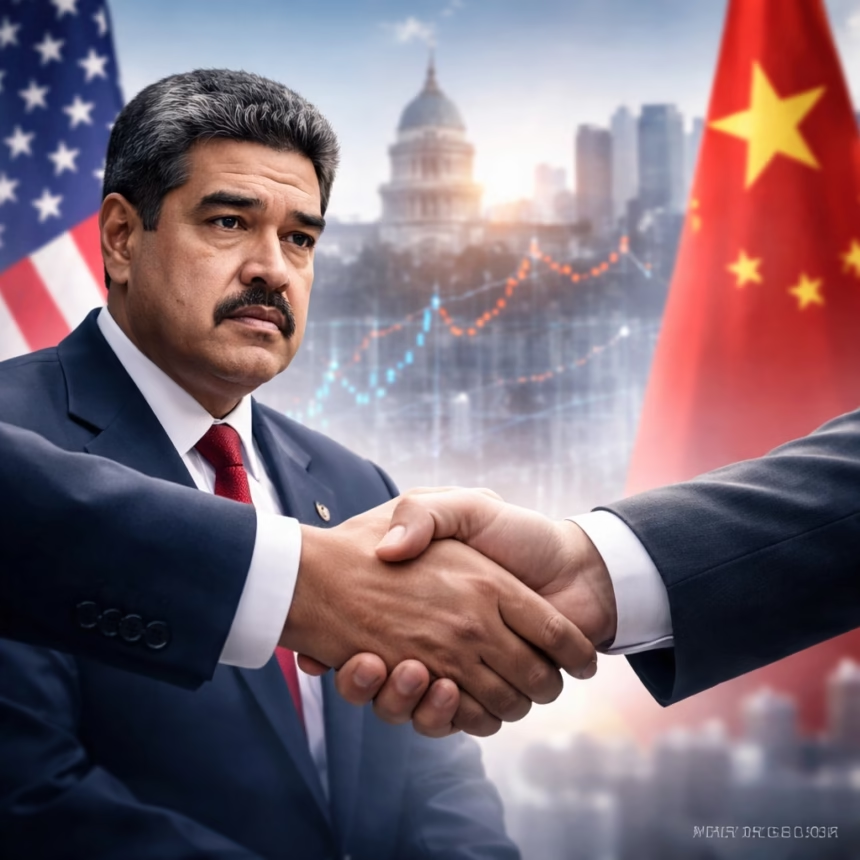
Venezuela's Turmoil: How Maduro's Downfall Reshapes China's US Strategy
Venezuela's Turmoil: How Maduro's Downfall Reshapes China's US Strategy
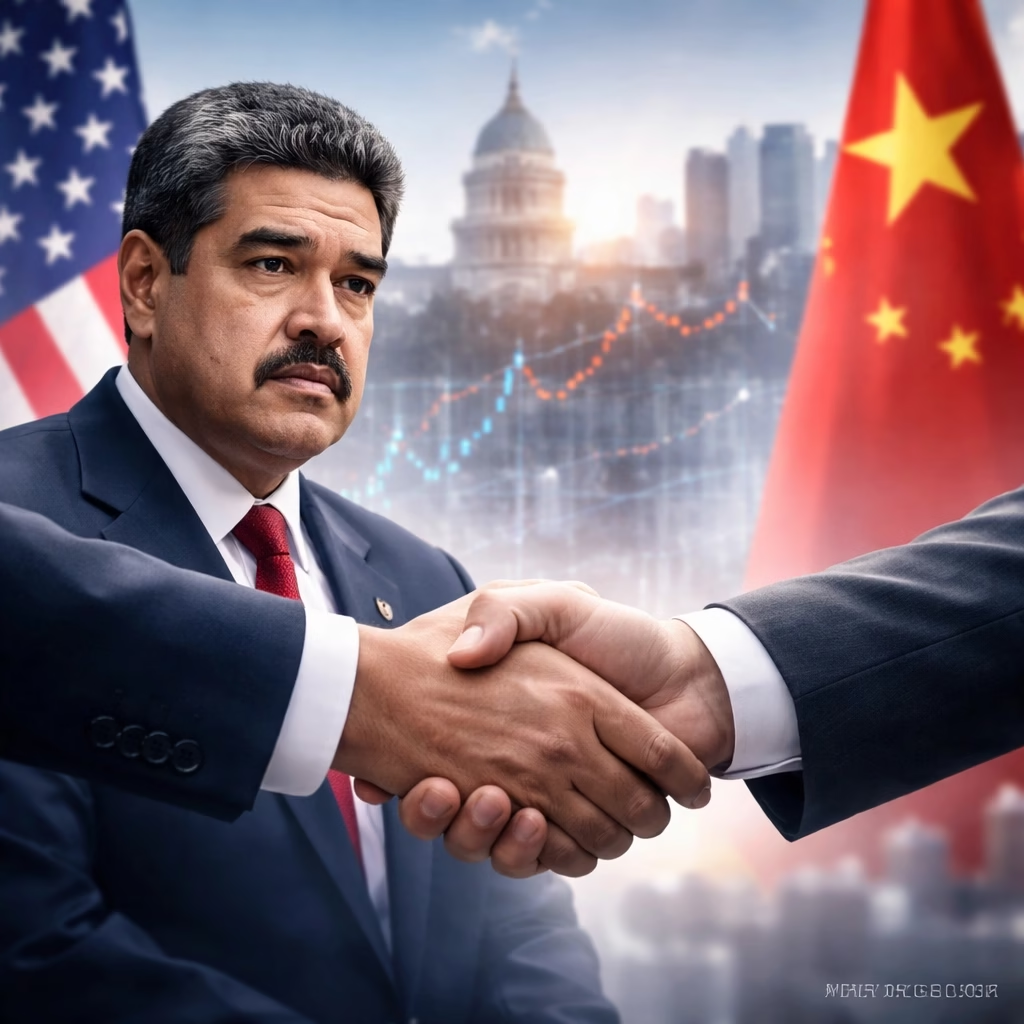
CARACAS, VENEZUELA – The political crisis in Venezuela has entered a new phase following the resignation of President Nicolás Maduro, leaving China to recalibrate its strategy in the region as the United States seeks to solidify its influence.
Background
Venezuela has been embroiled in a prolonged economic and political crisis, exacerbated by US sanctions and internal unrest. Maduro, who has ruled the country since 2013, faced widespread opposition due to hyperinflation, food shortages, and allegations of authoritarianism. His government has been recognized by some nations, including China, while others, including the US, have backed opposition leader Juan Guaidó, who declared himself interim president in 2019.
Key Developments
In a surprising turn of events, Maduro announced his resignation on October 3, 2023, following intense pressure from the military and international communities. The move came after a failed coup attempt in early 2023, which left the government in a precarious position. The resignation has triggered a power vacuum, with Guaidó and other opposition figures now vying for control.
More Read

China, which has long been a key ally and investor in Venezuela, has responded cautiously to the developments. Beijing has invested billions in Venezuelan oil and infrastructure, making the country a strategic partner in its Belt and Road Initiative. However, with Maduro's departure, China faces the challenge of navigating a new political landscape where the US may seek to assert greater influence.
Impact
The US has wasted little time in positioning itself to capitalize on the situation. American officials have already signaled support for a transitional government, while also warning against foreign interference. For China, this shift could jeopardize its investments and strategic interests in the region, particularly in the oil sector, where Venezuela is a major supplier.
Regionally, neighboring countries like Colombia and Brazil are closely watching the situation, as any shift in Venezuela's political alignment could have ripple effects across South America. The European Union, which has been divided on its approach to Venezuela, may now seek a more unified stance.
More Read

What Next
With Maduro’s resignation, the next steps for Venezuela remain uncertain. A transitional government is expected to be formed, but the timeline and composition remain unclear. China is likely to engage in diplomatic efforts to protect its economic interests, while the US will push for a pro-Western alignment.
Analysts predict that the coming months will be critical in determining Venezuela's future trajectory. If the US succeeds in consolidating its influence, China may need to rethink its strategy in Latin America, potentially shifting focus to other allies in the region. Conversely, if a more balanced approach emerges, China could maintain its presence while adapting to the new political realities.