Amazon's Bold Bet on Wearable AI: A $50 Gadget to Revolutionize the Market
Amazon's $50 Gadget Aims to Put Wearable AI in Everyone's Hands
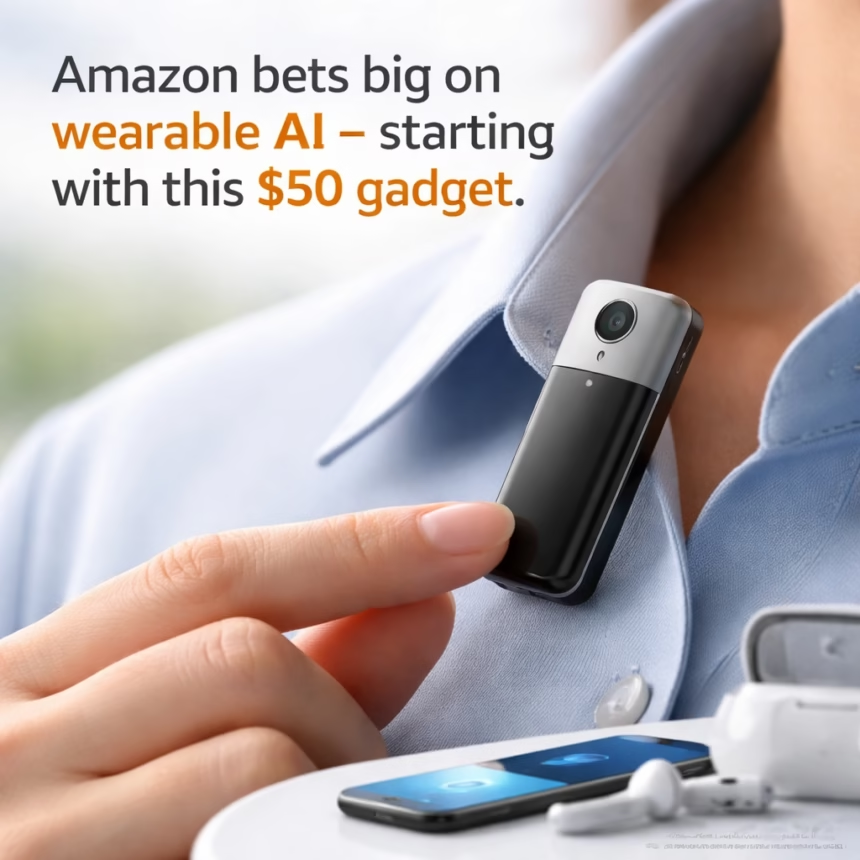
Amazon is making a bold bet on wearable artificial intelligence with the launch of its new US$50 gadget, aiming to democratize access to AI-powered wearables. The device, set to hit the market in early 2024, represents Amazon's latest push into the growing wearable tech market, competing directly with Apple and Google.
Background: Amazon’s Journey into Wearable Tech
Amazon’s foray into wearable technology is not new. The company has been quietly developing AI-driven wearables for years, building on its expertise in voice recognition and cloud computing. The e-commerce giant first hinted at its wearable ambitions in 2019 with the launch of Amazon Echo Frames, smart glasses that integrated Alexa voice assistant. However, the product failed to gain significant traction, leading Amazon to rethink its strategy.
Key Developments: The $50 AI Gadget and Beyond
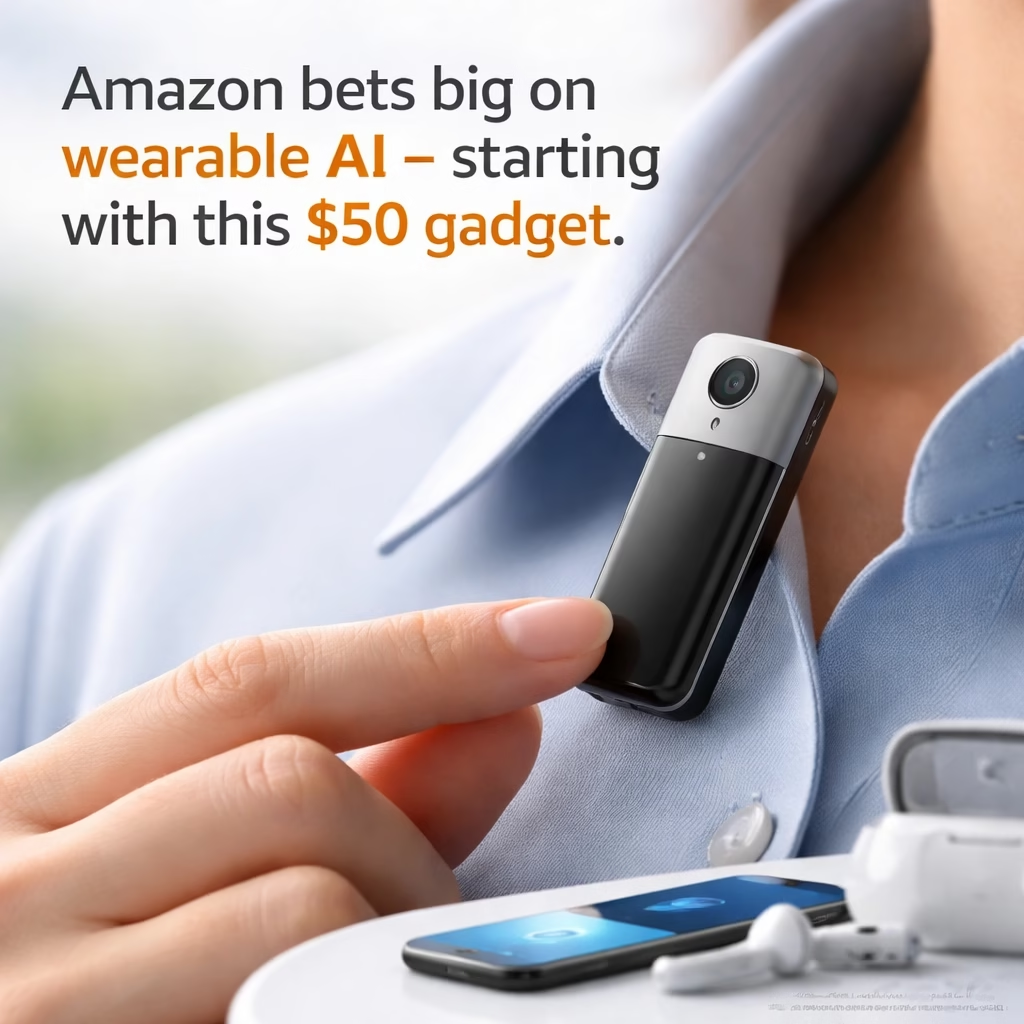
The new $50 wearable device is Amazon’s most affordable and accessible offering yet. It features a compact design, voice-activated AI assistant, and health monitoring capabilities, including heart rate and activity tracking. Unlike its predecessors, this gadget is designed to be more intuitive and user-friendly, targeting a broader audience beyond tech enthusiasts.
More Read

Amazon is also leveraging its vast ecosystem of services, including Alexa, Prime, and AWS, to enhance the device's functionality. The gadget will seamlessly integrate with other Amazon products, such as Echo smart speakers and Ring security cameras, creating a cohesive smart home experience. Additionally, the device will support third-party apps, allowing developers to build custom applications and expand its utility.
Impact: Who Stands to Gain or Lose?
The $50 price point is a game-changer, making wearable AI technology more accessible to a wider demographic. This could significantly impact the market, potentially drawing users away from more expensive competitors like Apple’s AirPods and Google’s Pixel Buds. However, Amazon’s success will depend on its ability to differentiate its product and offer unique value propositions.
For consumers, the benefits are clear: a more affordable entry point into the world of wearable AI, with the potential for enhanced productivity, health monitoring, and smart home integration. For developers, the open platform presents new opportunities to innovate and create specialized applications. Meanwhile, competitors like Apple and Google may need to respond with more competitive pricing or unique features to retain their market share.
More Read

What Next: Amazon’s Roadmap for Wearable AI
Looking ahead, Amazon plans to iterate on its wearable technology based on user feedback and market demand. The company is already exploring additional features, such as advanced health metrics and augmented reality capabilities. By 2025, Amazon aims to have a full suite of wearable devices, including smart glasses, fitness trackers, and even smart clothing.
The company is also investing heavily in AI research and development to ensure its wearables remain at the forefront of innovation. With the rise of generative AI and other emerging technologies, Amazon is poised to integrate these advancements into its wearables, further solidifying its position in the market. As the competition heats up, consumers can expect more affordable, feature-rich, and intuitive wearable AI devices in the coming years.