Nigeria's Defence Transformation: Lawmakers Laud Tinubu's Historic Military Pay Hike and Expansion Plan
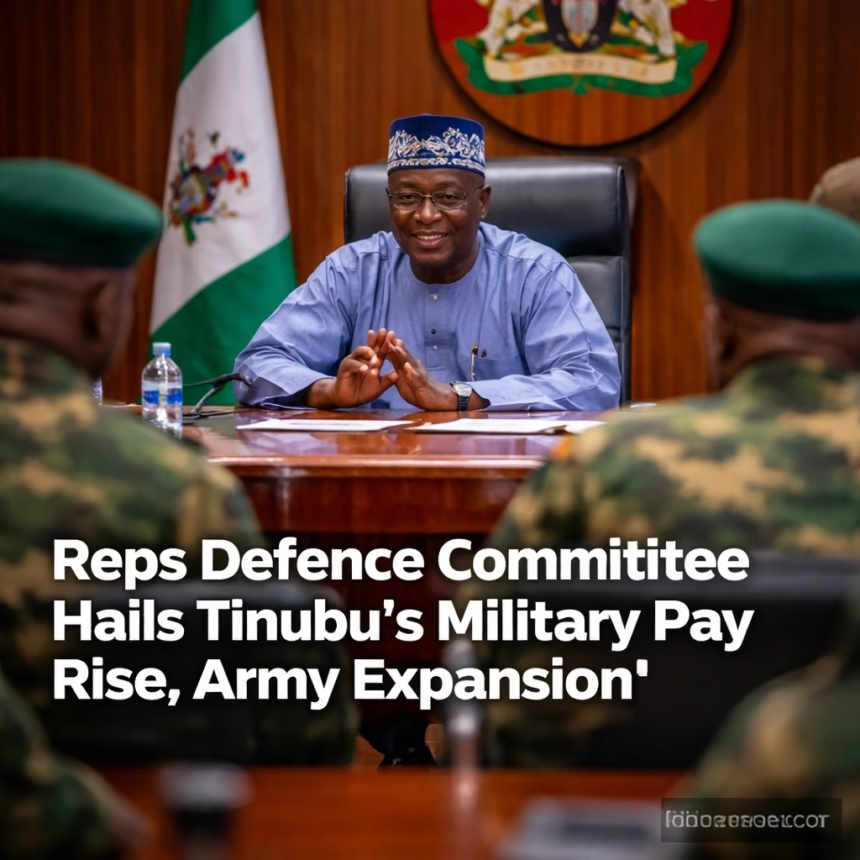
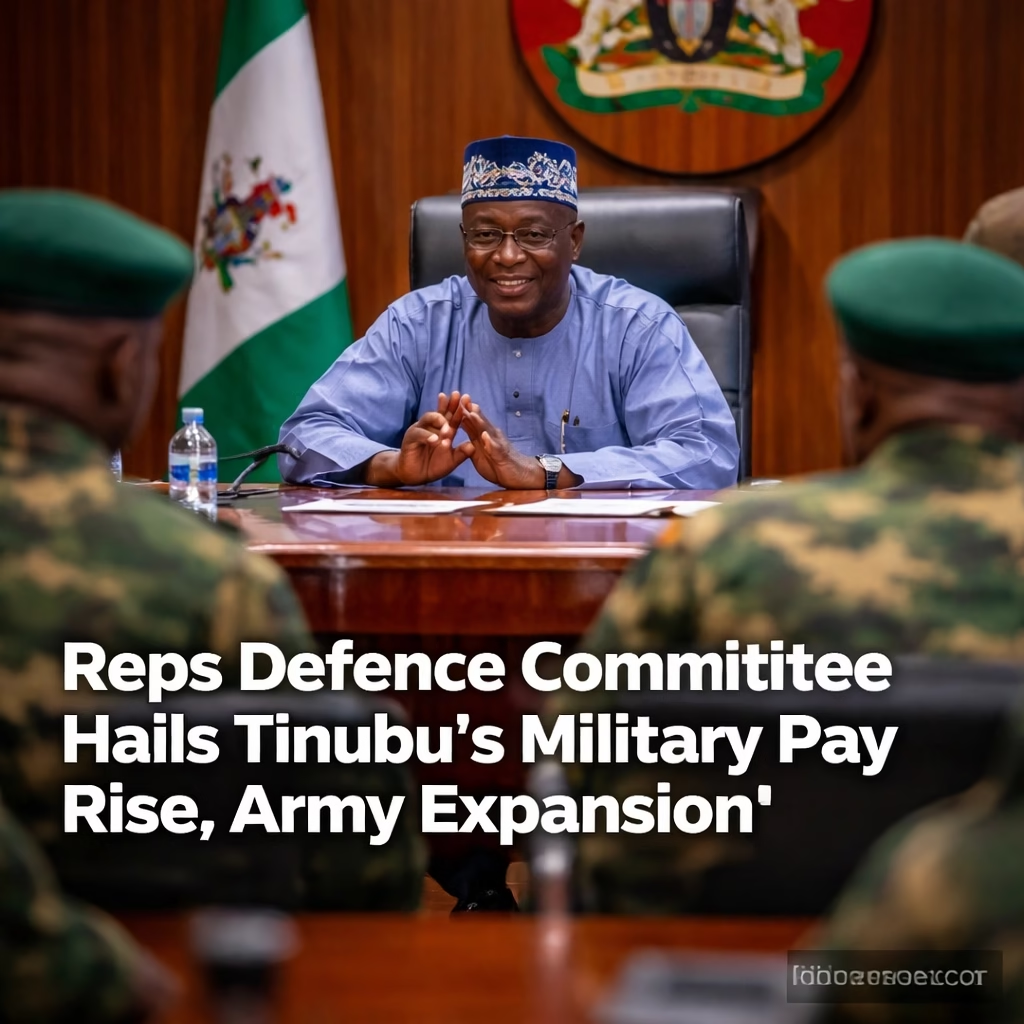
The House of Representatives Committee on Defence has enthusiastically commended President Bola Ahmed Tinubu's administration for its decisive actions regarding the Nigerian Armed Forces. In a recent statement issued from Abuja, the committee specifically lauded the significant pay increment for military personnel and the ambitious expansion plan for the Nigerian Army. These measures are seen as critical steps to bolster troop morale, enhance operational capabilities, and effectively confront the nation's persistent security challenges.
Background: Decades of Challenges and Renewed Commitment
For over a decade, the Nigerian military has been at the forefront of a multi-faceted conflict, battling the entrenched Boko Haram insurgency and its splinter faction, the Islamic State West Africa Province (ISWAP), predominantly in the North-East. Simultaneously, the nation has grappled with the rising tide of banditry across the North-West and North-Central regions, persistent issues of kidnapping for ransom, farmer-herder clashes, and widespread oil theft in the Niger Delta.
These protracted security challenges have exerted immense pressure on the armed forces, often highlighting deficiencies in personnel welfare, equipment modernization, and overall operational readiness. Previous administrations made various attempts to address these issues, but systemic problems, including inadequate funding and a perceived lack of comprehensive strategic planning, often hampered sustainable progress.
Historical Context of Military Welfare
Historically, military welfare in Nigeria has been a subject of intermittent concern. Issues ranging from delayed allowances to insufficient housing and healthcare facilities have periodically surfaced, contributing to morale challenges among personnel. These factors have, at times, led to attrition and impacted the overall effectiveness of operations in demanding environments.

Tinubu’s Security-Centric Mandate
Upon assuming office on May 29, 2023, President Bola Ahmed Tinubu unequivocally declared national security as a top priority of his administration. His inaugural address and subsequent policy pronouncements underscored a commitment to reforming the security architecture, empowering the armed forces, and ultimately ensuring the safety and prosperity of all Nigerians.
Early in his tenure, President Tinubu initiated a comprehensive review of the security landscape, culminating in the appointment of new service chiefs and several strategic security council meetings. These initial steps signaled a proactive approach aimed at instilling new vigour and direction within the defence establishment.
Key Developments: A New Era for the Armed Forces
The recent commendation from the House Committee on Defence specifically highlights two pivotal initiatives by the Tinubu administration: a substantial pay increase for military personnel and a robust expansion plan for the Nigerian Army. These measures represent a significant departure from previous approaches, signalling a direct investment in the human capital and numerical strength of the nation's defence apparatus.
More Read

Historic Pay Increment for Service Personnel
President Tinubu approved a substantial upward review of salaries and allowances for all ranks within the Nigerian Armed Forces. While specific percentages were not immediately detailed in the committee’s public statement, the increment is understood to be significant, aimed at aligning military emoluments more closely with contemporary economic realities and the hazardous nature of military service. This pay rise, effective from a recent date (often retroactive or immediate upon announcement), is designed to directly address long-standing welfare concerns.
Ambitious Army Expansion Plan
Beyond financial incentives, the administration has also unveiled an ambitious plan to significantly expand the numerical strength of the Nigerian Army. This expansion is not merely about increasing troop numbers but is strategically designed to enhance the army’s presence, operational capacity, and specialization across various theatres of conflict. Recruitment drives are expected to intensify, focusing on attracting highly capable individuals who can contribute to an agile and technologically proficient force.
Increased Defence Budgetary Allocation
These reforms are underpinned by a significant increase in the budgetary allocation to the defence sector within the 2024 national budget. This financial commitment underscores the government’s resolve to provide the necessary resources for modern equipment procurement, advanced training, and the sustained welfare of military personnel, moving beyond mere rhetoric to tangible investment.
Committee’s Endorsement and Oversight
Hon. Babajimi Benson, Chairman of the House Committee on Defence, articulated the committee’s profound appreciation for the President’s vision and swift action. He described the initiatives as “game-changing reforms” and an “unprecedented commitment” to the welfare and operational effectiveness of the military. The committee has pledged its full support and will maintain robust oversight to ensure transparent and efficient implementation of these programmes.
Impact: Reinvigorating National Security and Welfare
The anticipated impact of these reforms is multi-faceted, extending beyond the immediate beneficiaries to national security and socio-economic stability. The government's strategic investment is poised to create a ripple effect across various segments of Nigerian society.

Enhanced Troop Morale and Welfare
The most immediate beneficiaries are the military personnel themselves and their families. A substantial pay rise directly addresses financial strain, improving living standards and reducing the temptation for illicit activities or desertion. Enhanced welfare provisions are expected to foster greater dedication, loyalty, and a renewed sense of purpose among soldiers, ratings, and airmen, ultimately boosting overall morale and unit cohesion.
Bolstered Operational Capability
A larger, better-paid, and more motivated military is inherently more effective. The expansion plan, coupled with improved welfare, is expected to significantly bolster the operational capabilities of the Nigerian Army. This translates to increased capacity for intelligence gathering, faster and more decisive response times to threats, and a greater likelihood of successful counter-insurgency and anti-banditry operations across the country.
Safer Communities and Economic Growth
The ultimate goal of a stronger military is to create a more secure environment for Nigerian citizens. Reduced insecurity, particularly in agricultural belts and trade routes, can stimulate economic growth, improve food security, and encourage investment. Communities plagued by violence can begin to rebuild, fostering greater freedom of movement and socio-economic activity.
Strengthened National and Regional Standing
A professional, well-funded, and highly effective military enhances Nigeria’s standing regionally and internationally. It projects an image of stability, capability, and a serious commitment to addressing internal challenges, thereby strengthening diplomatic influence and partnerships in regional security initiatives.
What Next: Implementation and Sustained Vigilance
While the pronouncements have been met with widespread optimism, the success of these reforms hinges on meticulous implementation and sustained commitment. Several key milestones and processes are expected in the coming months and years.
Phased Implementation of Pay Adjustments
The actual disbursement of the new salaries and allowances will be a critical phase. The military high command, in collaboration with relevant government agencies, will ensure transparent and timely payment to all service members. This ongoing process requires robust administrative oversight to prevent delays or discrepancies that could undermine the morale boost.
Intensified Recruitment and Training Drives
The ambitious army expansion plan will necessitate intensified recruitment exercises. These drives will focus on attracting a diverse pool of qualified Nigerians, followed by rigorous training programmes designed to equip new recruits with the necessary skills and discipline for modern warfare. Investment in upgrading training academies and facilities will be paramount.
Continuous Oversight and Accountability
The House Committee on Defence has a crucial role to play in monitoring the implementation of these reforms. This includes regular budget tracking, performance reviews of military operations, and ensuring accountability in the utilization of funds and resources. The committee’s vigilance will be vital in safeguarding the integrity of the programmes.
Investment in Modern Equipment and Technology
Beyond personnel, the enhanced budget is expected to facilitate the procurement of modern weaponry, advanced surveillance technology, and improved logistics. This modernization drive will be crucial to ensure that the expanded force is adequately equipped to tackle contemporary and emerging security threats effectively.
Strategic Re-evaluation of Security Operations
The military leadership will continue to conduct strategic re-evaluations of security doctrines and deployment strategies. This adaptive approach will ensure that the enhanced capabilities are optimally utilized to address evolving threats, maximize operational impact, and secure lasting peace across the nation.
The government and military leadership are expected to maintain active public engagement, providing regular updates on security improvements and building confidence among citizens in the nation’s renewed defence capabilities.