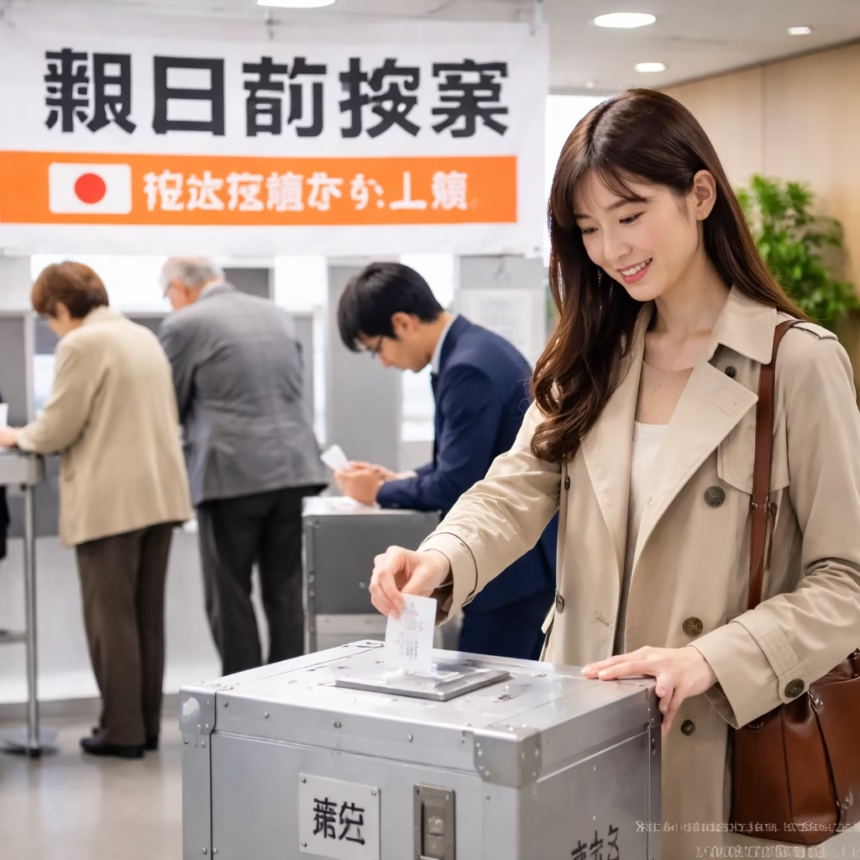
Japan's Early Voting: A Nation Decides – Even Without Ballots?
Japan is holding a general election on April 10, 2024, but a unique provision allows for an unprecedented 11-day early voting period. This unusual measure is being implemented due to logistical challenges, including delays in the delivery of ballot papers across the country.
Background: A Tradition of Accessibility
Japan has a history of prioritizing voter accessibility. Early voting has been available since the 1940s, primarily for those who will be overseas or unable to vote on election day. However, the scope of early voting has historically been limited in duration and eligibility.
Typically, early voting is restricted to specific groups, such as diplomats and Japanese citizens residing abroad. The current extended period, spanning from March 22nd to March 31st, represents a significant departure from previous practices. The decision to expand early voting was made by the election commission in response to concerns about potential disruptions caused by unforeseen circumstances.
Key Developments: Addressing Logistical Hurdles
The primary driver behind the extended early voting period is the delayed delivery of ballot papers. Several factors have contributed to these delays, including increased demand, transportation issues, and staffing shortages. Reports indicate that some regions have experienced significant backlogs, raising concerns about voter participation.
More Read

The election commission, led by Chairman Kenji Suzuki, proactively announced the extended early voting period in late February 2024. This decision was met with mixed reactions, with some praising the commission's responsiveness to logistical challenges, while others expressed concerns about the potential for increased political campaigning during the extended period.
Furthermore, the government has implemented measures to expedite the delivery of ballot papers, including utilizing additional transportation resources and coordinating with local postal services. However, these efforts have not fully alleviated the pressure, leading to the decision to extend the voting window.
Impact: Broadening Access, Raising Questions
The extended early voting period has the potential to significantly impact voter turnout. By offering more flexibility, the government hopes to encourage greater participation, particularly among those facing challenges in accessing polling stations on election day. This is especially relevant for individuals living in remote areas or those with mobility issues.
More Read

However, the extended period also raises concerns about potential undue influence. Political parties are actively engaging with voters during the early voting period, raising questions about the fairness of the process. Critics argue that the extended window may create opportunities for targeted campaigning and potentially sway voters prematurely.
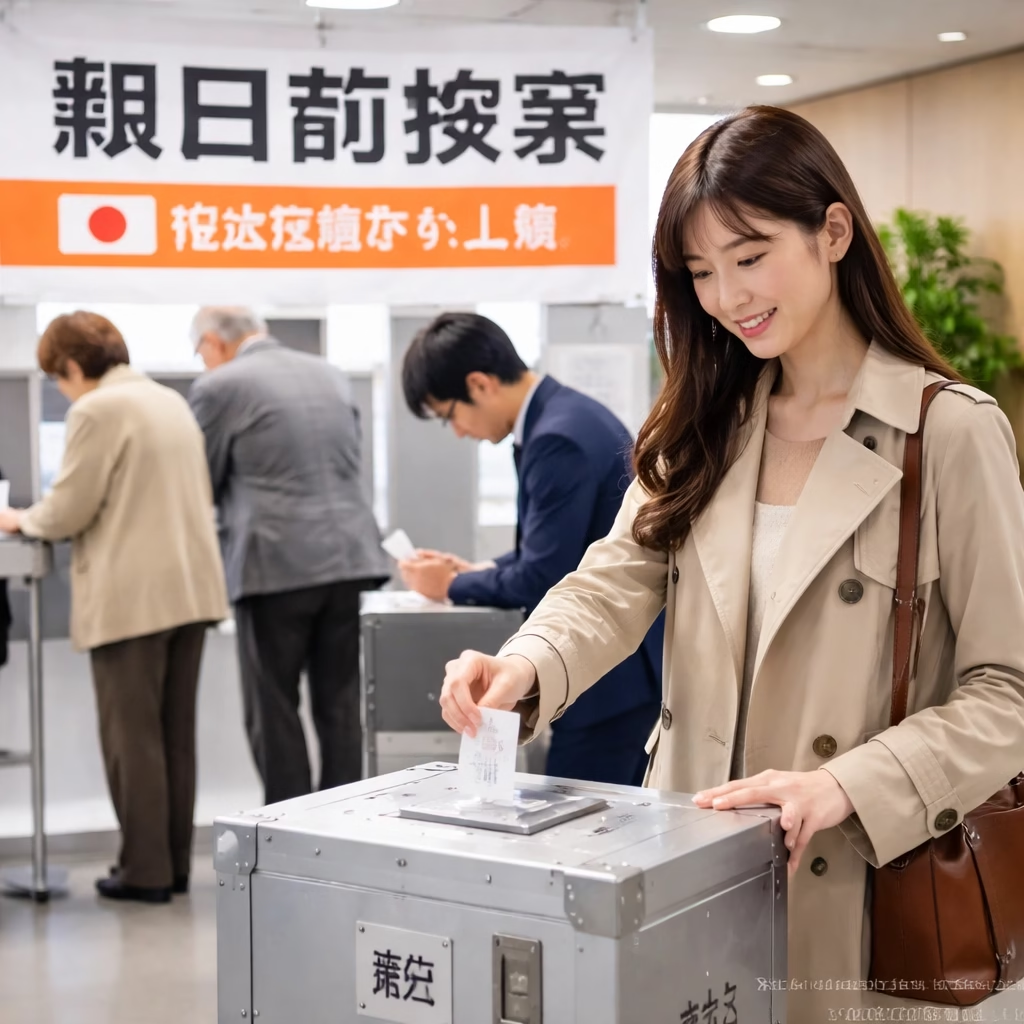
The extended period also places an additional burden on election officials, who must manage the increased volume of early votes and ensure the security of the voting process.
What Next: Counting and Beyond
Following the early voting period, polling stations will be open on April 10, 2024, from 7:00 AM to 3:00 PM local time. Election officials will then begin the process of counting the votes, with preliminary results expected to be released shortly after the polls close.
The official results of the election are expected to be announced by the election commission on April 11, 2024. The outcome of the election will determine the composition of the House of Representatives, Japan's lower house of parliament, and will have significant implications for the country's political direction.
Security Measures
The election commission has emphasized the importance of maintaining the security and integrity of the voting process throughout the early voting period. Strict measures are in place to prevent voter fraud and ensure that ballot papers are securely stored and transported. These measures include voter identification checks and enhanced monitoring of polling stations.
More Read

Public Awareness Campaigns
To inform voters about the extended early voting period and the election process, the government has launched public awareness campaigns. These campaigns utilize various media channels, including television, radio, and social media, to provide information about voter registration, polling locations, and voting procedures. The campaigns aim to ensure that all eligible voters are aware of their rights and responsibilities.