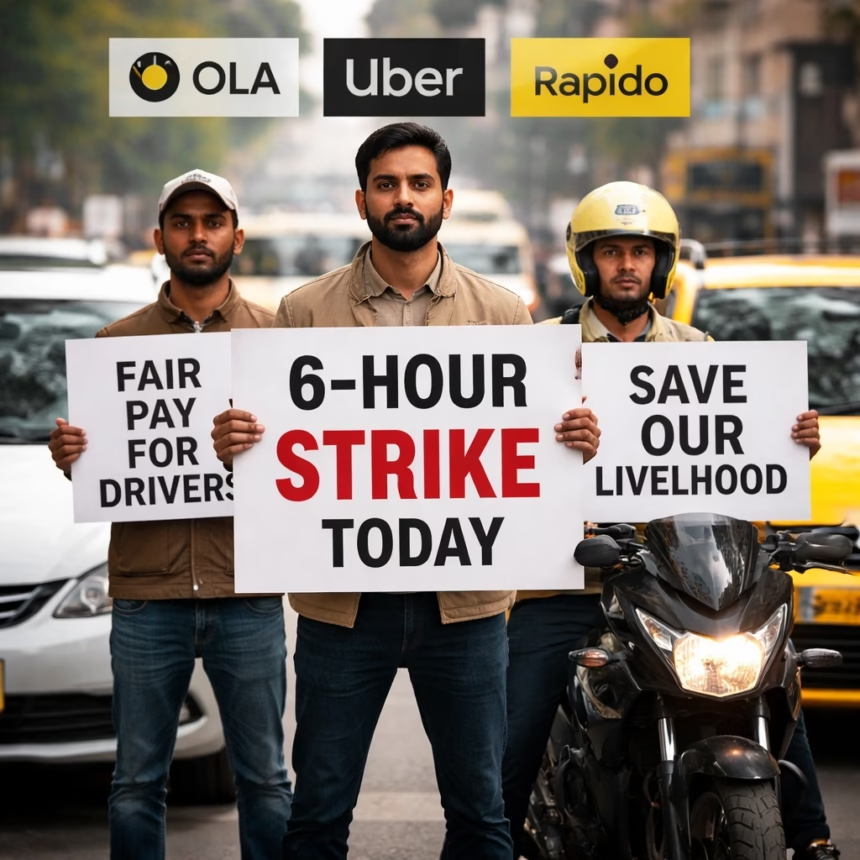
Roadblocks Ahead: Ride-Hailing Workers Halt Services
Mumbai, India – Thousands of drivers for ride-hailing platforms Ola, Uber, and Rapido are set to participate in a 6-hour strike today, October 26, 2023, causing widespread disruption to transportation services across the city. The strike is planned from 9:00 AM to 3:00 PM IST and is expected to significantly impact commuters.
Background
The ride-hailing industry in India has experienced exponential growth in the last decade, with Ola and Uber dominating the market. Rapido, focusing primarily on two-wheeler rides, has also gained significant traction. Millions of individuals rely on these platforms for daily commutes, deliveries, and other transportation needs. However, this rapid expansion has been accompanied by concerns regarding driver compensation, working conditions, and platform policies.
Driver welfare has been a recurring issue, with numerous petitions and protests held in the past. These concerns typically revolve around fluctuating fares, commission rates charged by the platforms, lack of benefits like health insurance, and increasing fuel costs. The drivers’ unions have been advocating for better regulations and fairer treatment from the companies.
Key Developments
The current strike is a culmination of recent disagreements between the drivers’ unions and Ola, Uber, and Rapido. Specifically, the unions have been demanding a review of the commission structure, arguing that it significantly reduces their earnings. They are also pushing for improved transparency in fare calculations and better access to grievance redressal mechanisms.
More Read

Recent policy changes implemented by the platforms have further fueled the discontent. Ola, for instance, recently introduced a new surge pricing model that drivers claim disproportionately affects their income. Uber has also been facing criticism for its driver onboarding process and the stringent requirements for maintaining driver status. Rapido drivers have raised concerns over safety protocols and the lack of adequate support in case of accidents.
Negotiations between the unions and the companies have reportedly stalled, leading to the decision to call for the strike. The drivers’ unions have emphasized that this is a last resort, and they hope that the companies will engage in meaningful dialogue to address their demands.
Impact
The strike is expected to have a substantial impact on commuters in Mumbai. Ride-hailing services will be significantly curtailed, making it difficult for people to get around the city. This will particularly affect those who rely on these services for daily commutes to work, school, or medical appointments.
More Read

Businesses that depend on ride-hailing for deliveries and logistics will also face disruptions. The strike could lead to delays in the transportation of goods and impact supply chains. Taxis and auto-rickshaws are also likely to see increased demand as people seek alternative transportation options.
The financial impact extends to the drivers themselves. The strike means a significant loss of income for thousands of drivers, many of whom rely on ride-hailing as their primary source of livelihood. This can create financial hardship and further exacerbate existing economic vulnerabilities.
What Next
The drivers' unions have stated that they are open to dialogue with the ride-hailing companies but will maintain the strike until their demands are addressed. They are planning meetings with representatives from Ola, Uber, and Rapido following the strike to continue negotiations.
Potential Outcomes
The strike could prompt the ride-hailing companies to reconsider their policies and engage in more constructive dialogue with drivers' unions. This could lead to improvements in driver compensation, working conditions, and platform transparency. However, there is also the possibility that the companies will resist the demands, leading to a prolonged period of unrest and further disruptions to the ride-hailing industry. Industry analysts anticipate that the outcome will have a significant impact on the future of labor relations in the gig economy in India.
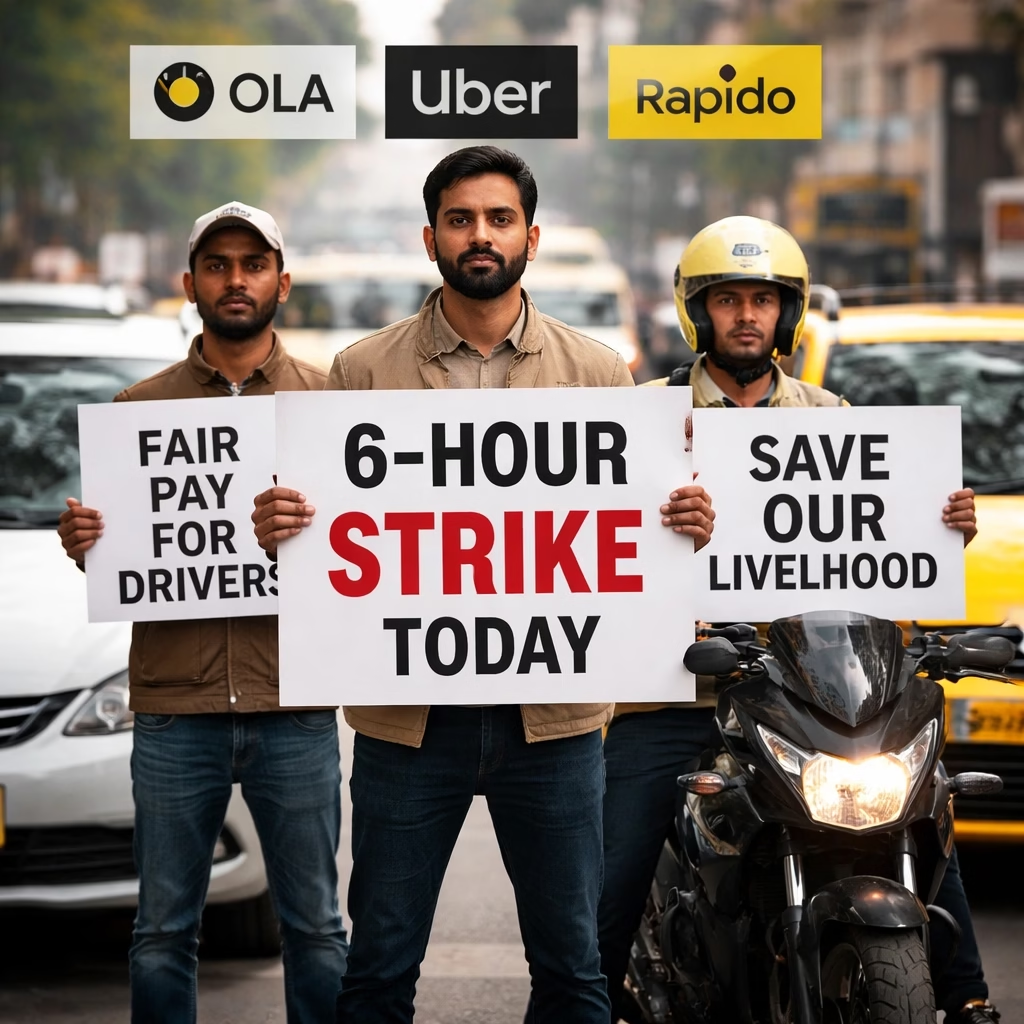
The government may also intervene to mediate between the parties and find a resolution. Regulatory changes related to the ride-hailing industry could be considered to improve driver welfare and ensure fair competition.