Ramadan Prayers Under Shadow: Al-Aqsa Imam Denied Access
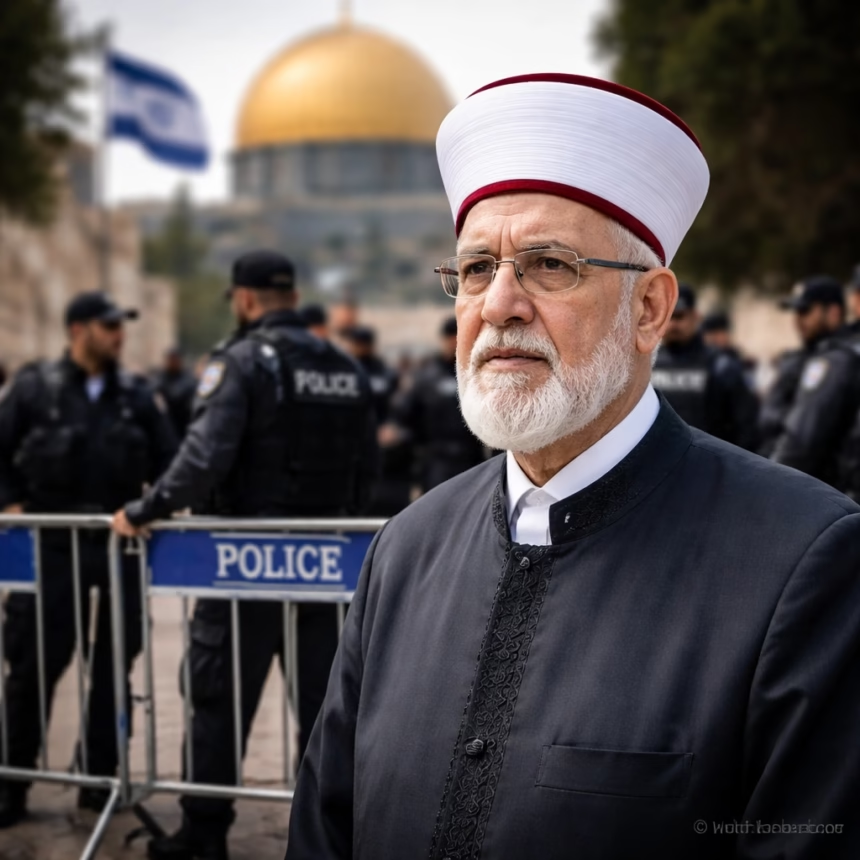
Ertas al-Badri, the chief Imam of Al-Aqsa Mosque in Jerusalem, has reported being barred from entering the mosque compound by Israeli authorities ahead of the upcoming holy month of Ramadan. The incident, which occurred on April 19, 2024, raises concerns about the status of religious freedom and access to the site, a deeply significant location for Muslims worldwide.
Background
Al-Aqsa Mosque, also known as the Temple Mount by some, is one of the holiest sites in Islam. It encompasses the Dome of the Rock and the Al-Aqsa Mosque itself. The site has been a focal point of religious and political tensions for decades, particularly concerning access and control. The Waqf, a Jordanian-controlled Islamic trust, manages the mosque compound under an agreement with Israel. This agreement has been repeatedly renegotiated and contested.
Historically, access for the Imam and other religious figures has occasionally been restricted due to security concerns or administrative reasons. However, such denials are rare and often accompanied by explanation. Imam al-Badri's reported denial, without a clear explanation, has intensified concerns among Muslims globally.
Key Developments
According to reports, Imam al-Badri was stopped at the gates of the Al-Aqsa Mosque compound on April 19th. Israeli authorities reportedly cited "security reasons" for denying him entry. This is the first reported instance of such a denial specifically targeting the Imam leading up to Ramadan.

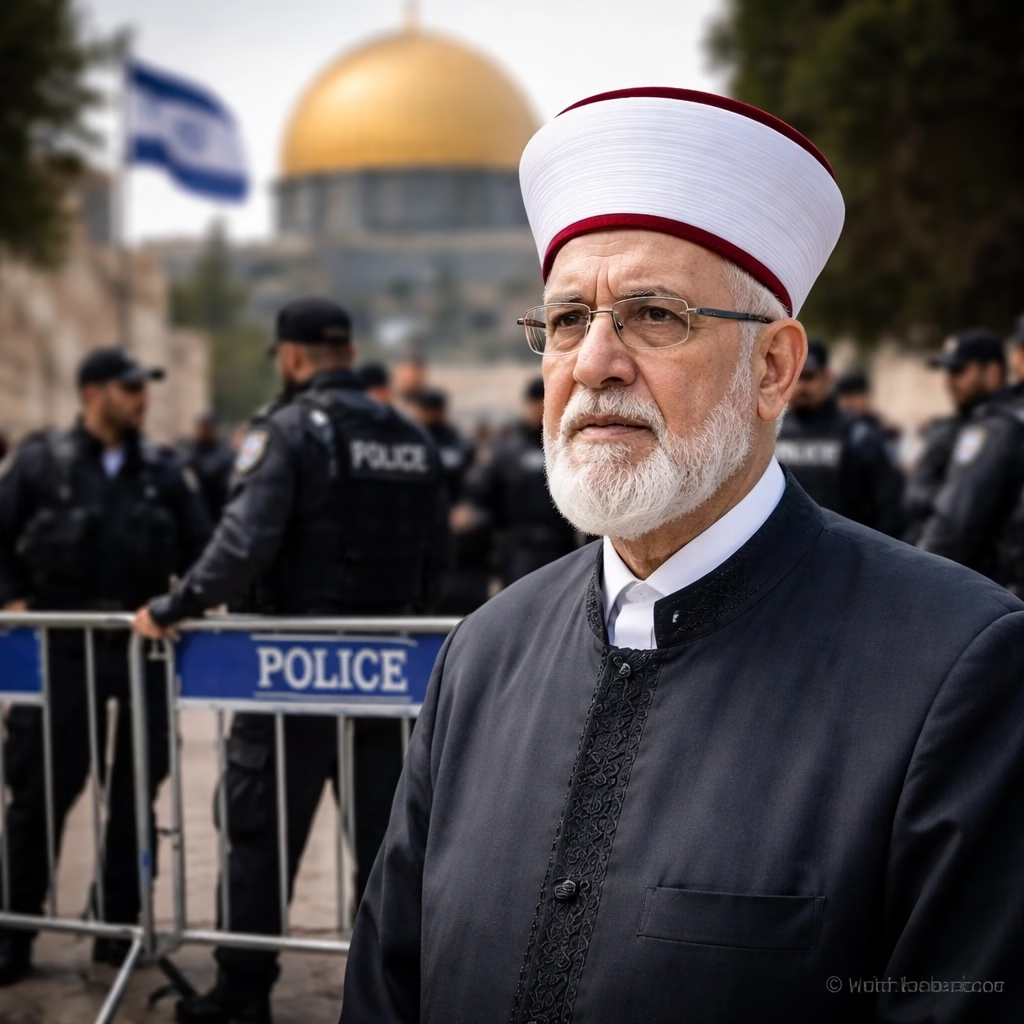
The Waqf has issued a statement condemning the denial, calling it a "serious violation" of the Imam's rights and a deliberate attempt to disrupt the preparations for Ramadan prayers. The Jordanian government has also expressed its concern to Israeli officials, urging them to ensure the Imam's freedom of movement and access to the holy site.
While Israeli authorities have not provided further details regarding the specific security concerns, heightened security measures are already in place around the Al-Aqsa Mosque compound in anticipation of increased crowds during Ramadan. These include increased Israeli police presence and stricter security checks.
More Read
Impact
Imam al-Badri is a highly respected figure within the Muslim community and his role is crucial in leading prayers and overseeing religious activities at Al-Aqsa Mosque. His inability to enter the compound significantly impacts the preparations for Ramadan, a period of intense religious observance for Muslims.
The denial has sparked widespread condemnation and protests in several Muslim-majority countries. Many view it as a deliberate attempt to undermine the Waqf's authority and restrict Muslim access to a sacred site. The incident also fuels broader anxieties about the future of religious freedom in Jerusalem.
The situation is particularly sensitive given the upcoming Ramadan period, when millions of Muslims around the world will be praying at Al-Aqsa Mosque. Any disruption or restriction on access could have a significant impact on the spiritual and emotional well-being of these worshippers.
What Next
The Waqf and the Jordanian government are expected to continue lobbying Israeli authorities to ensure Imam al-Badri's unrestricted access to the Al-Aqsa Mosque compound. Further diplomatic efforts are anticipated to address the concerns raised by the denial.
Potential Escalation
If the issue is not resolved, it could potentially lead to increased tensions and protests in Jerusalem and beyond. The situation is being closely monitored by international observers, including the United Nations, who have repeatedly called for respect for religious freedom and access to holy sites.
Ramadan Preparations
Despite the challenges, preparations for Ramadan are continuing at the Al-Aqsa Mosque compound. However, the uncertainty surrounding Imam al-Badri's access casts a shadow over the upcoming month and raises concerns about the potential for further disruptions.
More Read

The coming days will be crucial in determining whether the situation can be resolved peacefully and whether the Al-Aqsa Mosque compound can be prepared for Ramadan without further restrictions on religious figures.