Ebola's Shadow Lengthens: Congo Cases Skyrocket Past 600 as Fatalities Mount
Ebola's Shadow Lengthens: Congo Cases Skyrocket Past 600 as Fatalities Mount
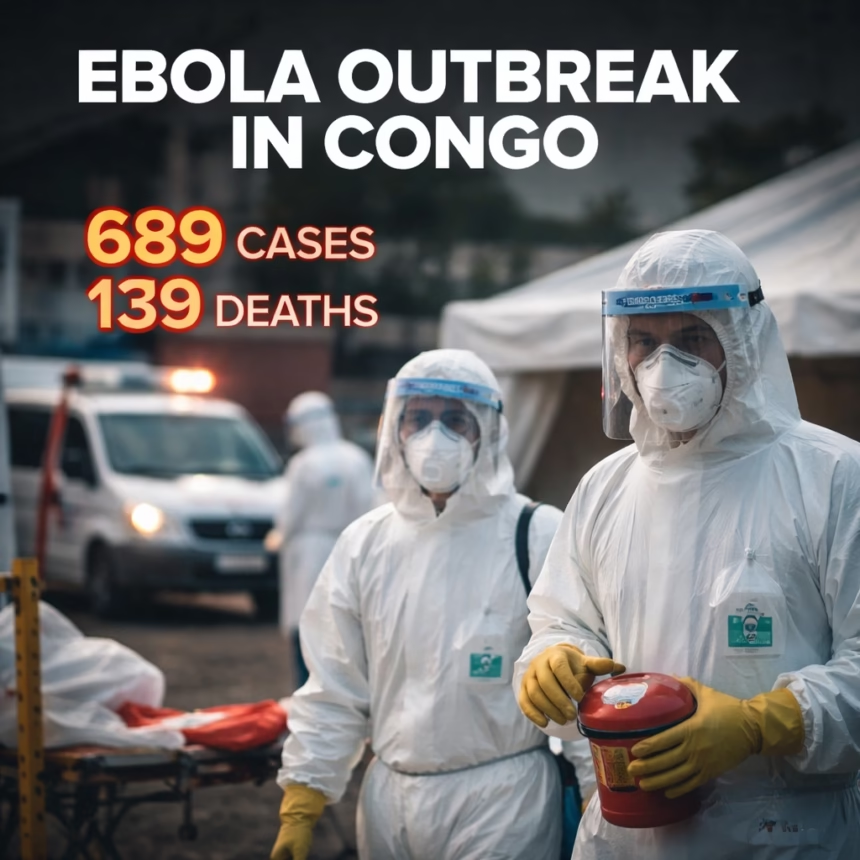
The Democratic Republic of Congo (DRC) is grappling with a severe Ebola outbreak, as confirmed and probable cases have now surged past 689, with the death toll reaching 139. This latest escalation marks a critical juncture in the nation's struggle against the deadly virus, primarily concentrated in its eastern provinces of North Kivu and Ituri, demanding intensified global and local efforts.
Background: A Persistent Threat
The current Ebola outbreak, declared on August 1, 2018, in Mangina, North Kivu province, marks the 10th such epidemic in the Democratic Republic of Congo’s history. The nation has a long and challenging relationship with the Ebola virus, having experienced its first identified outbreak in 1976 near the Ebola River, from which the virus derives its name. This deep history provides a complex backdrop to the current crisis, with communities often harboring both experience and mistrust regarding public health interventions.
A History of Outbreaks
Previous outbreaks in the DRC have varied in scale and duration, but the current one is notable for its occurrence in an active conflict zone. Unlike many past epidemics confined to remote, rural areas, this outbreak is unfolding in densely populated urban centers and regions plagued by chronic insecurity. This geographical and geopolitical context presents unprecedented challenges for containment efforts, making traditional public health responses exceedingly difficult to implement effectively.
More Read

The Current Epicenter: North Kivu and Ituri
The provinces of North Kivu and Ituri are at the heart of the current crisis. These regions are characterized by high population mobility, extensive trade routes, and the presence of numerous armed groups. This volatile environment complicates contact tracing, safe burials, and the deployment of medical teams. Beni, Butembo, and Katwa in North Kivu, along with Komanda in Ituri, have emerged as significant hotspots, experiencing sustained transmission chains that are proving difficult to break. The movement of people across borders and within the provinces for economic reasons or due to displacement further exacerbates the risk of wider spread.
Key Developments: Escalating Numbers and Response Challenges
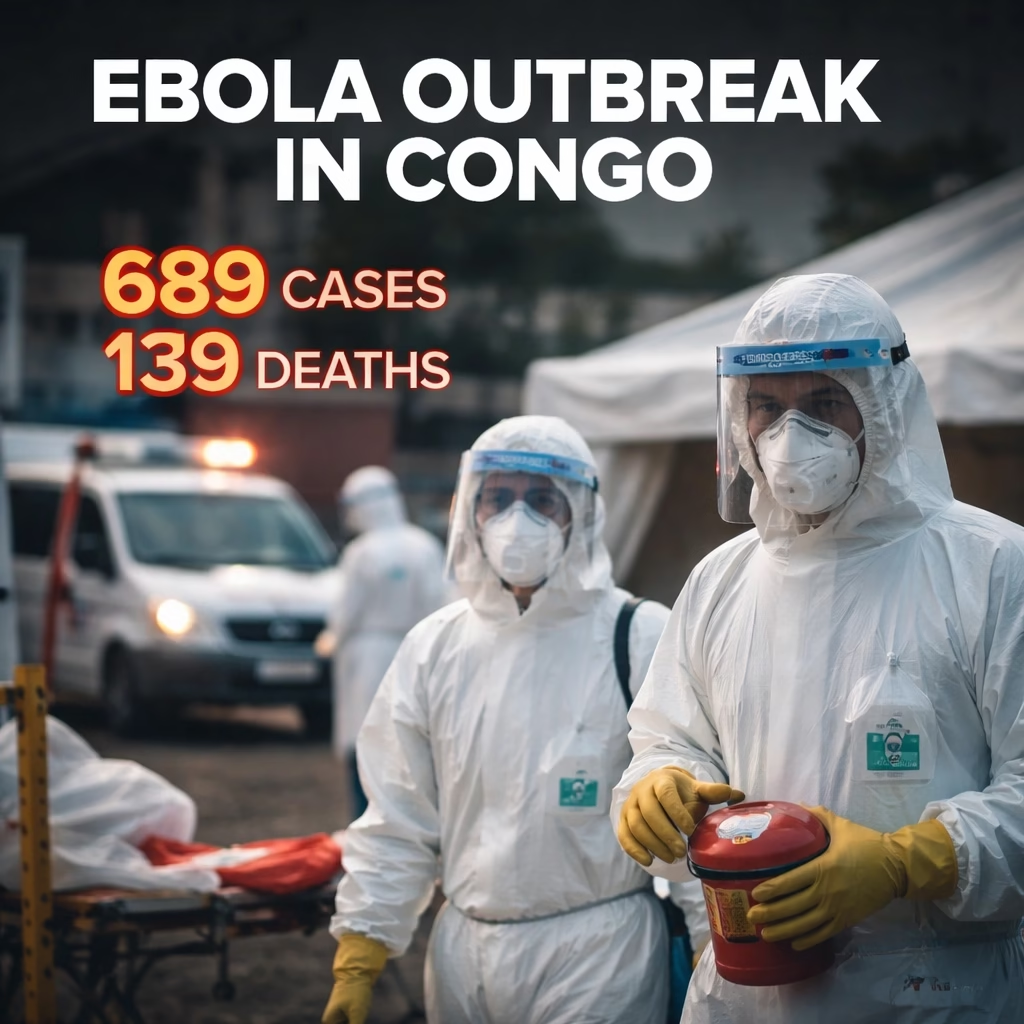
The latest figures paint a grim picture: 689 confirmed and probable cases, resulting in 139 fatalities. This translates to a case fatality rate of approximately 20.1%, a stark reminder of the virus’s lethality even with modern interventions. The rate of new infections has shown concerning fluctuations, with periods of rapid increase followed by temporary plateaus, indicating the persistent challenge of containing the disease in such a complex environment.
More Read

Vaccine Rollout and Hurdles
A significant component of the response strategy has been the targeted use of the experimental rVSV-ZEBOV vaccine. As of recent reports, tens of thousands of individuals, including frontline health workers and contacts of confirmed cases, have been vaccinated. This ring vaccination strategy aims to create a protective barrier around infected individuals. However, the rollout faces substantial hurdles, including cold chain requirements, community resistance, and the sheer difficulty of reaching eligible individuals in remote or insecure areas. Misinformation and rumors about the vaccine’s safety and efficacy also pose significant barriers to acceptance.
New Treatments and Enhanced Care
Beyond vaccination, the current outbreak has seen the expanded use of investigational treatments, including monoclonal antibody therapies like mAb114 and REGN-EB3. These treatments, administered in specialized Ebola Treatment Centers (ETCs), offer hope for improving patient outcomes. The establishment and operation of these ETCs, often in challenging locations, require immense logistical and human resource investment. They provide isolation, supportive care, and access to these experimental therapies, playing a crucial role in breaking transmission chains and reducing mortality.
Security Risks and Community Mistrust
One of the most profound challenges to the Ebola response has been the pervasive insecurity in eastern DRC. Attacks by armed groups on health workers, treatment centers, and convoys have repeatedly disrupted operations, forced temporary suspensions, and instilled fear among responders. These acts of violence not only endanger lives but also severely impede critical public health activities such as contact tracing and safe burials. Furthermore, a deep-seated mistrust of authorities and foreign aid organizations among some communities, fueled by historical grievances and political tensions, complicates engagement efforts and leads to refusal of care or non-compliance with public health directives.
Impact: A Crisis Beyond Health
The Ebola outbreak’s impact extends far beyond the direct health consequences of infection. It has unleashed a cascade of social, economic, and psychological challenges that profoundly affect individuals, families, and the broader community in North Kivu and Ituri.
Strain on Healthcare Infrastructure
The response to Ebola places an immense strain on an already fragile healthcare system. Resources, personnel, and attention are diverted to the outbreak, potentially weakening services for other prevalent diseases like malaria, cholera, and measles. Local clinics and hospitals may struggle to maintain routine care, leading to broader health crises and increased mortality from preventable conditions. Healthcare workers, already scarce, face burnout, trauma, and the constant threat of infection.
Socio-Economic Disruptions
Communities living under the shadow of Ebola experience severe socio-economic disruption. Fear and stigma lead to reduced social interaction, impacting local markets, trade, and livelihoods. Farmers may be unable to tend their crops, and small businesses suffer from reduced customer traffic. Travel restrictions, even informal ones, can isolate communities and hinder economic activity. Children’s education is often disrupted as schools close or attendance drops due to fear or the need for children to assume caregiving roles.

Psychological and Social Toll
The psychological toll on affected populations is immense. Survivors often face stigma and discrimination, while families of victims grieve in isolation due to the necessity of safe burial practices that prevent traditional mourning rituals. Children orphaned by Ebola require specialized care and support. The constant threat of disease, coupled with violence and displacement, creates a climate of chronic stress and anxiety, further eroding community resilience.
What Next: Path to Containment and Recovery
The immediate priority remains the complete containment of the outbreak and the reduction of new cases to zero. This ambitious goal requires a multi-pronged approach that integrates public health interventions with security measures and robust community engagement.
Scaling Up Response Efforts
Intensified efforts are needed to scale up all aspects of the response. This includes increasing the number of vaccination teams, expanding access to Ebola Treatment Centers, and strengthening surveillance and contact tracing networks. The swift identification and isolation of new cases are paramount to breaking transmission chains. Furthermore, ensuring the safe and dignified burial of all deceased individuals, a critical measure to prevent further spread, must be consistently implemented with community cooperation.
Strengthening Community Engagement
Building trust and fostering community ownership are crucial for the success of the response. This involves engaging local leaders, traditional healers, and religious figures to disseminate accurate information, address misconceptions, and encourage adherence to public health measures. Culturally sensitive approaches to health education and outbreak management are essential to overcome resistance and ensure that interventions are accepted and sustained by the affected communities.
Regional Preparedness and International Support
Given the high population mobility in eastern DRC, regional preparedness is a key concern. Neighboring countries, including Uganda, Rwanda, and South Sudan, are on high alert, implementing screening measures at border crossings and preparing their health systems for potential imported cases. International organizations like the World Health Organization (WHO), UNICEF, Doctors Without Borders, and numerous other NGOs, alongside various national governments, continue to provide critical financial, logistical, and human resources. Sustained international funding and political will are vital to support the DRC’s Ministry of Health in bringing this complex outbreak to an end and in strengthening long-term health resilience across the region.
The fight against Ebola in the DRC is far from over. As cases continue to mount, the collective resolve of the international community, coupled with the tireless efforts of local health workers and communities, will be tested. The lessons learned from this challenging outbreak will undoubtedly shape future responses to global health emergencies.