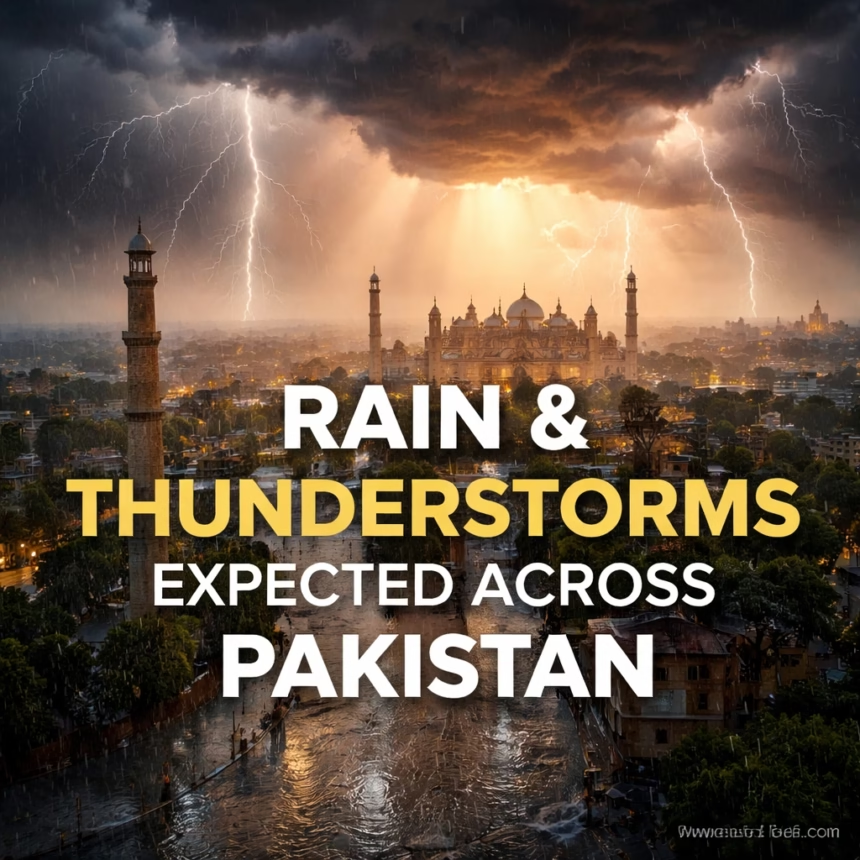
Pakistan Braces for Downpour: Storms Loom Over Major Cities
Several regions across Pakistan are bracing for significant rainfall and thunderstorms beginning today, July 26, 2024. The Pakistan Meteorological Department (PMD) has issued alerts for multiple provinces, urging residents to take necessary precautions. The expected weather system is bringing moisture from the Arabian Sea, increasing the likelihood of localized flooding and disruption.
Background
The monsoon season in Pakistan typically begins in June and lasts until September. This year, the monsoon arrived earlier than usual, with initial rainfall observed in Balochistan in late May. The current weather pattern is a continuation of this monsoon activity, with a developing low-pressure system influencing the region. Historical monsoon patterns have seen varying degrees of intensity, with some years experiencing devastating floods.
The PMD has been closely monitoring the situation since last week, noting an increase in atmospheric moisture and instability. Early forecasts suggested a gradual intensification of rainfall, but recent models indicate a potentially more widespread and intense impact than initially anticipated.

Key Developments
The most recent updates from the PMD, released at 08:00 PST this morning, indicate that heavy rainfall is expected in Sindh, Punjab, Balochistan, and Khyber Pakhtunkhwa provinces. The intensity of the rain is forecast to range from moderate to very heavy, with some areas potentially experiencing thunderstorms and lightning.
Specifically, Karachi, the largest city in Pakistan, is under a high alert. The PMD has warned of potential urban flooding due to the city's inadequate drainage system. Furthermore, reports indicate that the low-pressure system is strengthening, increasing the risk of wind gusts in coastal areas.
Reports from agricultural areas in Punjab suggest some early crop damage due to unseasonal rainfall, although the full extent of the damage will only be determined after the rain subsides.
More Read

Impact
Urban Areas
Karachi and Lahore are particularly vulnerable to urban flooding. The city administration in Karachi has issued directives to drainage authorities to clear blocked drains and prepare for potential waterlogging. Residents have been advised to avoid low-lying areas and exercise caution while driving.
Agricultural Sector
Farmers in Sindh and Punjab are concerned about potential crop damage. The timing of the rainfall could disrupt sowing schedules and negatively impact yields for crops like cotton and rice. The provinces are assessing the situation and preparing to offer support to affected farmers.
Infrastructure
The heavy rainfall poses a risk to infrastructure, including roads, bridges, and power lines. Authorities are monitoring the situation closely and have deployed teams to inspect vulnerable areas. Power outages are possible due to lightning strikes and potential damage to power infrastructure.
Public Safety
The public is urged to exercise caution. The PMD has issued safety guidelines, including avoiding outdoor activities during thunderstorms, securing loose objects, and being aware of potential landslides in hilly areas. Emergency services are on high alert to respond to any incidents.
What Next
The heavy rainfall is expected to continue throughout today and into tomorrow, July 27, 2024. The PMD is closely monitoring the movement of the low-pressure system and will issue updated forecasts and alerts as needed. The intensity of the rainfall is expected to gradually decrease by Sunday, July 28, but localized showers are possible for several days.
The provinces are preparing for potential flooding and landslides, and emergency response teams are on standby. The National Disaster Management Authority (NDMA) has been alerted and is coordinating with provincial authorities to ensure a timely and effective response to any emergencies.
More Read

Residents are advised to stay informed about the latest weather updates from the PMD and to follow the safety guidelines issued by the authorities. Regular updates will be provided as the situation evolves.
Further Information
The Pakistan Meteorological Department website (www.meteorology.gov.pk) provides detailed weather forecasts and alerts. The NDMA website (www.ndma.gov.pk) offers information on disaster preparedness and response.