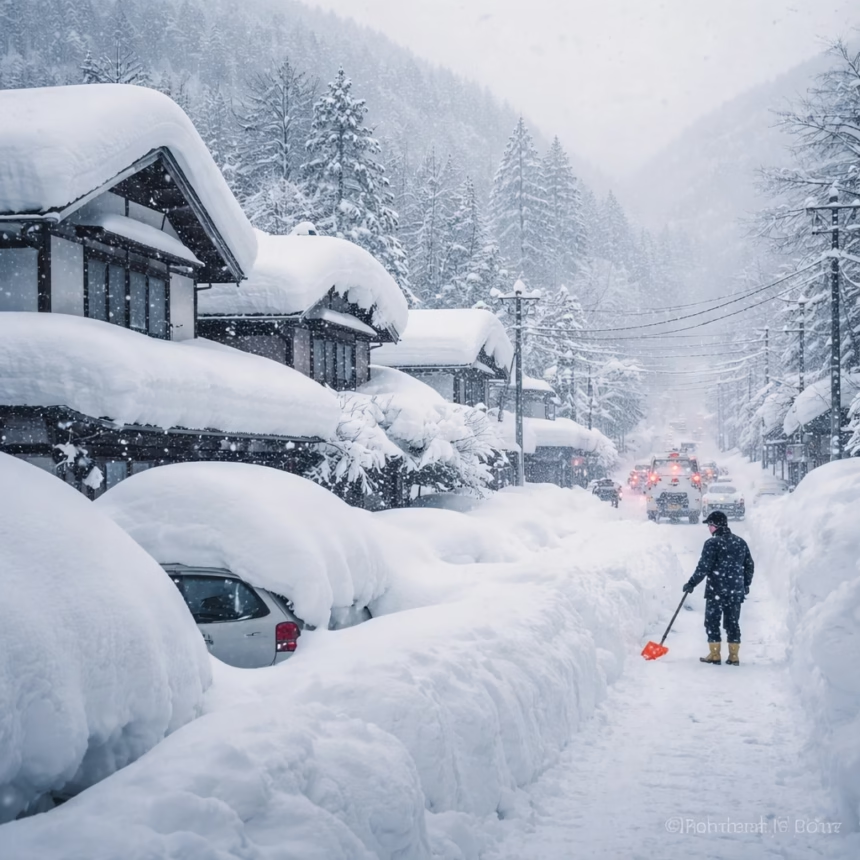
Japan is currently grappling with an unprecedented winter crisis as record-breaking snowfall has blanketed vast swathes of the country, primarily its northern and western regions, since late December. The relentless blizzards and heavy accumulations have led to widespread devastation, claiming the lives of at least 30 people and disrupting critical infrastructure across the archipelago.
Background: A Winter Like No Other
The severe weather conditions began to intensify in mid-December, escalating dramatically in the final week of the year and persisting into early January. This period saw a powerful winter pressure pattern establish itself over the Sea of Japan, drawing in an exceptionally cold air mass from Siberia. This collided with moisture-laden air, creating persistent and heavy snowbands that repeatedly impacted Japan's western and northern coasts.
Meteorological agencies quickly confirmed that the snowfall was far exceeding historical averages in many areas. Regions traditionally known for heavy snow, such as Niigata, Yamagata, Fukushima, and Gifu prefectures, experienced accumulations rarely seen in decades. In some areas, snow depths surpassed two meters (6.5 feet) within a matter of days, overwhelming local snow removal capabilities and infrastructure designed for typical winter conditions. For instance, parts of Aomori Prefecture, including the famed Sukayu Onsen, reported snow depths nearing 3 meters (10 feet), making it one of the heaviest snowfall events on record for those specific locations. The sheer volume and relentless nature of the snow differentiated this winter from previous, often milder, seasons.
The Japan Meteorological Agency (JMA) had issued warnings for heavy snow and blizzards well in advance, urging residents to prepare for significant disruption. However, the scale and intensity of the snowfall, coupled with sudden drops in temperature, proved challenging even for a nation accustomed to harsh winters. Initial impacts included localized road closures and minor power outages, but as the snow continued to accumulate, the situation rapidly escalated into a full-blown crisis, trapping vehicles and isolating communities.
Key Developments: A Nation Under Siege
The peak of the snowfall occurred around late December and early January, with several areas continuing to receive significant accumulations into the second week of the new year. While the most intense blizzards have somewhat subsided in certain regions, the lingering effects of massive snowdrifts and icy conditions persist.
More Read

Accumulation figures have been staggering. Beyond the aforementioned Aomori figures, areas in Niigata Prefecture, particularly around the city of Nagaoka, reported snow depths exceeding 1.8 meters (nearly 6 feet) in urban areas, paralyzing daily life. Mountainous regions saw even higher totals, leading to increased avalanche risk.
Rescue efforts have been extensive and multifaceted. The Self-Defense Forces (SDF) were deployed to multiple prefectures, including Niigata and Yamagata, to assist local fire departments and police in rescuing stranded motorists, clearing critical roads, and delivering essential supplies to isolated communities. Thousands of personnel have been involved in these operations, often working around the clock in treacherous conditions. One notable incident involved hundreds of vehicles stranded for days on the Kan-Etsu Expressway in Niigata, requiring massive logistical operations to free drivers and passengers.
Infrastructure failures became a critical concern. Road networks bore the brunt of the impact, with major highways like the Hokuriku Expressway and sections of the Japan Sea-side Tohoku Expressway experiencing prolonged closures due to deep snow and numerous vehicle accidents. This led to significant disruption in goods transport and emergency services. Rail services were also severely affected; the Joetsu Shinkansen (bullet train) experienced significant delays and cancellations, while numerous local train lines were suspended entirely. Regional airports, particularly those in Niigata and Yamagata, saw dozens of flights canceled, further isolating affected areas.
More Read

Power outages became widespread, with tens of thousands of homes losing electricity, particularly in remote mountainous regions. The combination of heavy snow bringing down power lines and difficult access for repair crews meant some areas remained without power for several days, exacerbating the risks of hypothermia for residents.
The Japanese government, under Prime Minister Fumio Kishida, held emergency meetings to coordinate the national response. Kishida urged relevant ministries to prioritize rescue efforts, ensure the safety of residents, and swiftly restore critical infrastructure. He also pledged financial and logistical support to the hardest-hit prefectures, emphasizing the need for proactive measures to prevent further casualties.
Impact: A Heavy Toll on Lives and Livelihoods
The human cost of this historic snowfall has been devastating. As of the latest reports, at least 30 people have died as a direct result of the extreme weather. The majority of these fatalities have been attributed to accidents during snow removal, such as falls from roofs while clearing heavy snow, or being buried by collapsing snowdrifts. Several victims were elderly, highlighting the particular vulnerability of Japan's aging population in rural areas. Other causes of death included vehicle accidents on icy roads, hypothermia in homes without power, and being trapped by snow.
In addition to the fatalities, hundreds of people have sustained injuries, many of them severe, often related to falls or strains during strenuous snow-clearing activities. Emergency services have been stretched thin responding to these incidents, alongside medical emergencies exacerbated by difficult access to hospitals.
The economic impact is also substantial. The agricultural sector, a cornerstone of many affected regions, has suffered significant damage. Greenhouses have collapsed under the weight of snow, destroying crops and infrastructure. Livestock farmers have faced challenges in feeding animals and maintaining facilities. The tourism industry, particularly ski resorts that rely on snow, has ironically been impacted by the sheer volume, with access roads closed and safety concerns deterring visitors. Supply chains have been severely disrupted, leading to delays in the delivery of essential goods and impacting local businesses that rely on timely transport.
Daily life for millions has been upended. Schools in numerous prefectures have been closed or had their winter breaks extended, impacting student education. Public transport systems remain intermittent or suspended in many areas. Access to essential services, including healthcare and food supplies, has been challenging for isolated communities. The psychological toll of prolonged isolation, power outages, and the constant threat of snow-related hazards is also a growing concern, particularly for vulnerable populations.

What Next: Recovery and Resilience
While the most intense period of snowfall may have passed for some regions, the immediate forecast indicates that cold temperatures will persist, with the potential for further localized snow showers. Authorities are also warning of a temporary thaw followed by refreezing, which could create dangerous icy conditions and increase the risk of avalanches and roof collapses.
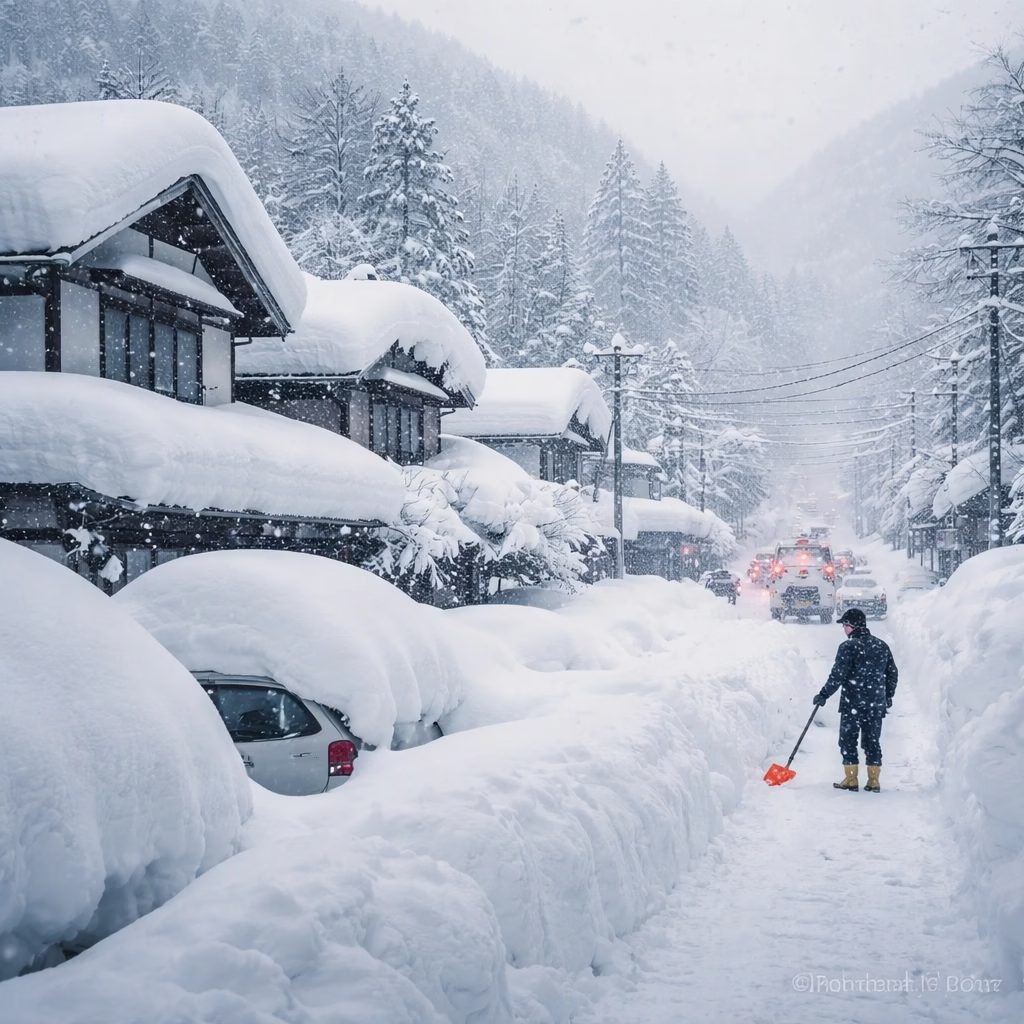
The immediate priority remains the massive effort to clear snow from roads, residential areas, and public spaces. Thousands of workers, supported by SDF personnel, are engaged in round-the-clock operations to restore accessibility and remove the colossal snowdrifts. Restoration of power and other utilities is also ongoing, with crews working to repair damaged infrastructure.
The Japanese government has pledged comprehensive support for the affected regions. This includes financial assistance for individuals and businesses impacted by the disaster, as well as aid for the reconstruction of damaged infrastructure and agricultural facilities. Plans are also being considered for temporary housing for those whose homes have been severely damaged or destroyed.
Looking ahead, this extreme weather event will undoubtedly prompt a review of Japan's disaster response protocols and infrastructure resilience. Discussions around urban planning in heavy snow regions, emergency power supply systems, and the capacity for rapid large-scale snow removal are expected. There will also be ongoing public safety campaigns, urging residents to exercise extreme caution when clearing snow, to avoid doing so alone, and to conserve energy to prevent further strain on the power grid. The long-term implications, including potential links to climate change and future preparedness strategies, will be critical topics for national discussion as Japan navigates the aftermath of this historic winter crisis.