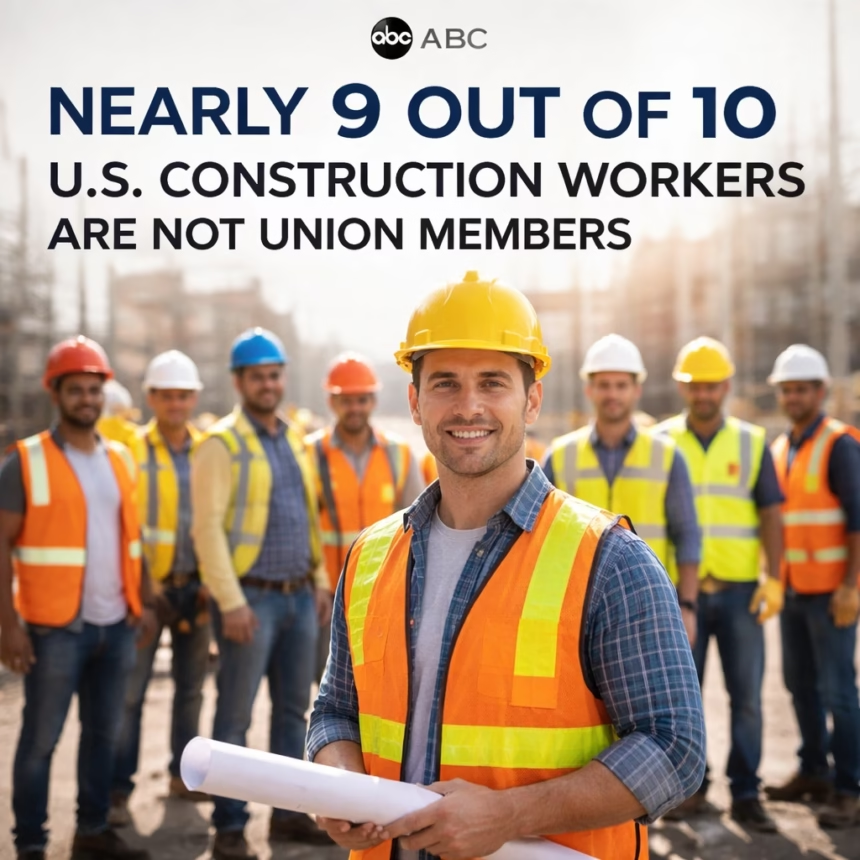
The Building Blocks of America: Union Membership in Construction Takes a Hit
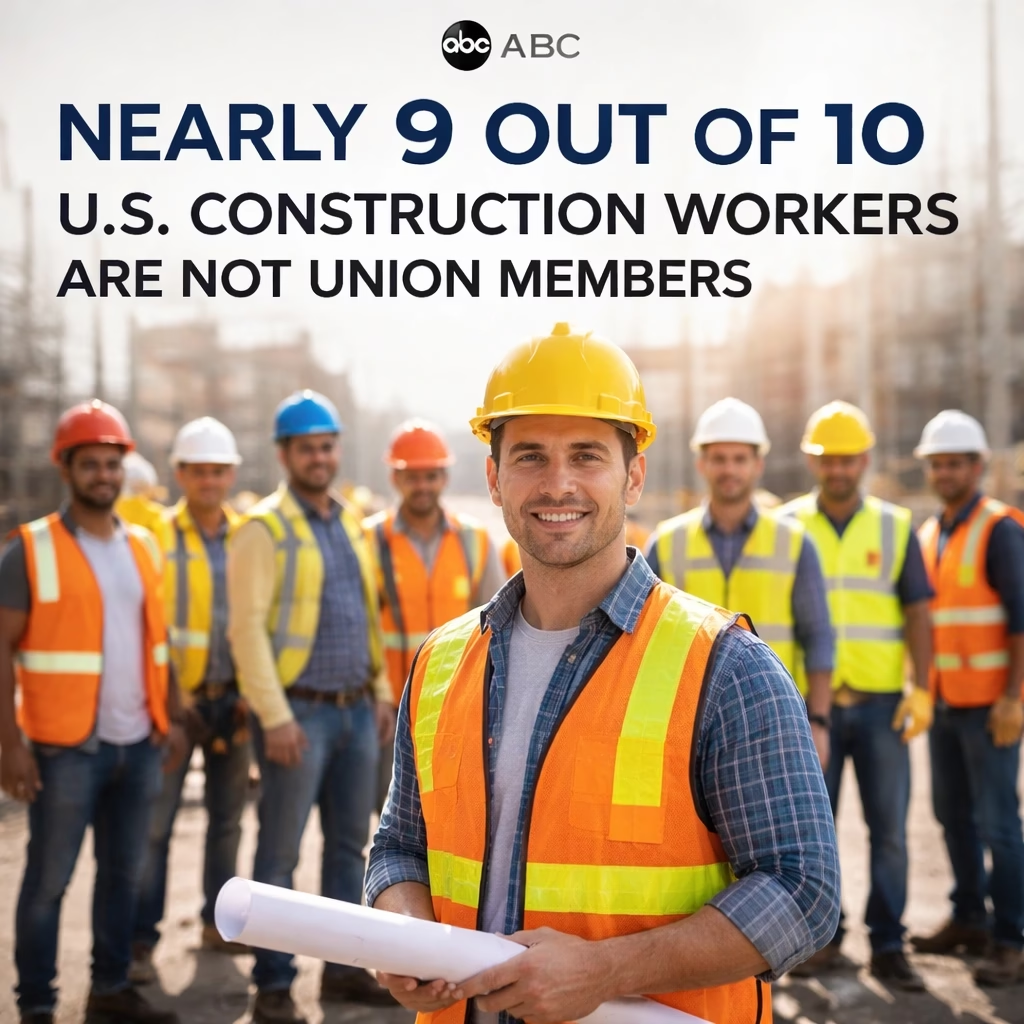
Across the United States, a significant shift is underway in the construction industry. Recent data reveals that nearly nine out of ten construction workers are not members of labor unions, a trend with potentially far-reaching implications for wages, benefits, and workplace practices. The findings, compiled by the Bureau of Labor Statistics and industry analysis firms, paint a picture of a sector undergoing considerable transformation.
A History of Union Influence
Construction unions have long played a pivotal role in shaping the American landscape. From the late 19th century through the mid-20th century, organizations like the United Brotherhood of Carpenters and Joiners of America, and the International Brotherhood of Electrical Workers, gained considerable power. Union membership peaked in the 1970s, reaching over 30% of the construction workforce. This era saw significant gains in wages, health insurance, and retirement benefits for construction workers.
However, starting in the 1980s and continuing into the 21st century, union membership in construction has steadily declined. Factors contributing to this decline include increased competition from non-union contractors, changing economic conditions, and evolving worker preferences.
More Read

Recent Trends and Data
The most recent data, released in January 2024, shows that approximately 88% of construction workers in the US are not union members. This marks a continued decrease from the 2020 figure of 91%. The decline has been particularly pronounced in the South and West, where non-union construction firms are more prevalent. According to a report by the National Vacancy Center, the number of unionized construction jobs in states like Florida, Texas, and Arizona has seen a noticeable drop over the past five years.
The construction industry experienced a period of significant growth during the COVID-19 pandemic, leading to a surge in demand for skilled labor. While this created opportunities for workers, it also intensified competition and put pressure on contractors to reduce costs, often impacting union wages and benefits.
Geographic Variations
Union density varies considerably across the country. States like Maine and New York still have relatively high rates of union participation, while states like North Carolina and Nevada have significantly lower rates. This disparity is often linked to local economic conditions, political landscapes, and the presence of strong union organizing efforts.
More Read

Who is Affected?
The decline in union membership affects a broad range of individuals. Workers who benefit from union-negotiated wages and benefits are seeing those advantages diminish. This can impact their ability to afford housing, healthcare, and retirement savings. The shift also alters the power dynamics within the construction industry, potentially leading to increased wage stagnation and reduced worker protections.
Beyond individual workers, the decline in union presence impacts the overall quality and consistency of construction practices. Union contracts often include provisions for safety training, apprenticeship programs, and adherence to building codes, contributing to safer and higher-quality projects. A reduction in union involvement may necessitate increased oversight from regulatory agencies.
Looking Ahead: What’s Next?
The future trajectory of union membership in construction remains uncertain. While the trend of decline is likely to continue, there are ongoing efforts to revitalize union organizing and address worker concerns. The Construction Laborers International Union (CLIUA) and the International Union of Bricklayers and Allied Craftworkers are actively pursuing strategies to attract new members and strengthen existing contracts.
Several factors could influence future developments. The ongoing shortage of skilled construction workers may create new opportunities for union recruitment. Increased public awareness of worker rights and the importance of fair wages and benefits could also bolster union support. Furthermore, changes in federal labor laws could impact the ability of unions to organize and bargain collectively.
Experts predict that the next few years will be crucial in determining the long-term role of unions in the construction industry. The industry is navigating a complex landscape of economic pressures, technological advancements, and evolving worker expectations. The balance between these forces will significantly shape the future of construction labor.
Potential Strategies for Union Growth
Union leaders are exploring various strategies to address declining membership. These include targeted recruitment campaigns focusing on younger workers and diverse demographics, improved communication and outreach efforts, and advocating for policies that support apprenticeship programs and career advancement opportunities within the union.