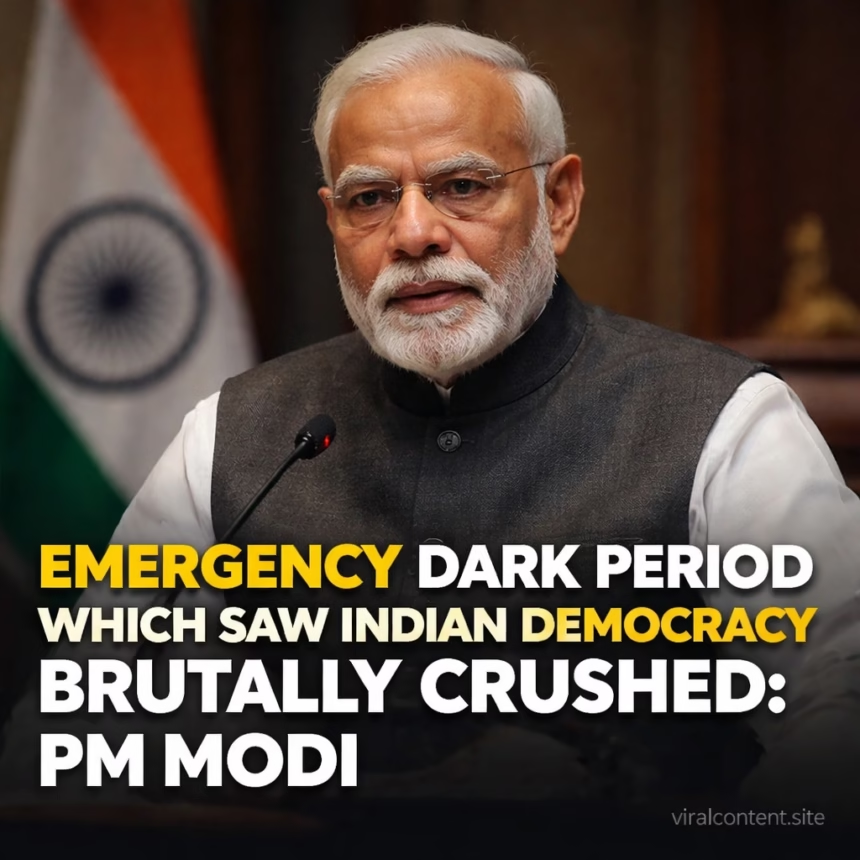
Prime Minister Narendra Modi recently reiterated his strong condemnation of the Emergency period in India, describing it as a "dark period" when Indian democracy was "brutally crushed." His remarks, made on the 49th anniversary of the Emergency's declaration, served as a potent reminder of a tumultuous chapter in the nation's history, sparking renewed national discourse on democratic principles and civil liberties.
Background: India’s 21-Month Authoritarian Rule
The Emergency, proclaimed by President Fakhruddin Ali Ahmed on June 25, 1975, on Prime Minister Indira Gandhi’s advice, plunged India into a 21-month period of authoritarian rule until March 21, 1977. Citing “internal disturbance,” the declaration suspended fundamental rights, imposed strict censorship, and led to widespread arrests of political opponents.
Origins and Declaration
The decision followed political unrest and a landmark Allahabad High Court judgment on June 12, 1975, which found Indira Gandhi guilty of electoral malpractice. This intensified calls for her resignation from opposition parties, led by Jayaprakash Narayan. The government maintained the move was necessary to curb growing anarchy.
Suppression of Rights and Dissent
Fundamental rights under Articles 14, 19, 21, and 22 were suspended, removing citizens’ rights to freedom of speech, assembly, and movement. The Maintenance of Internal Security Act (MISA)