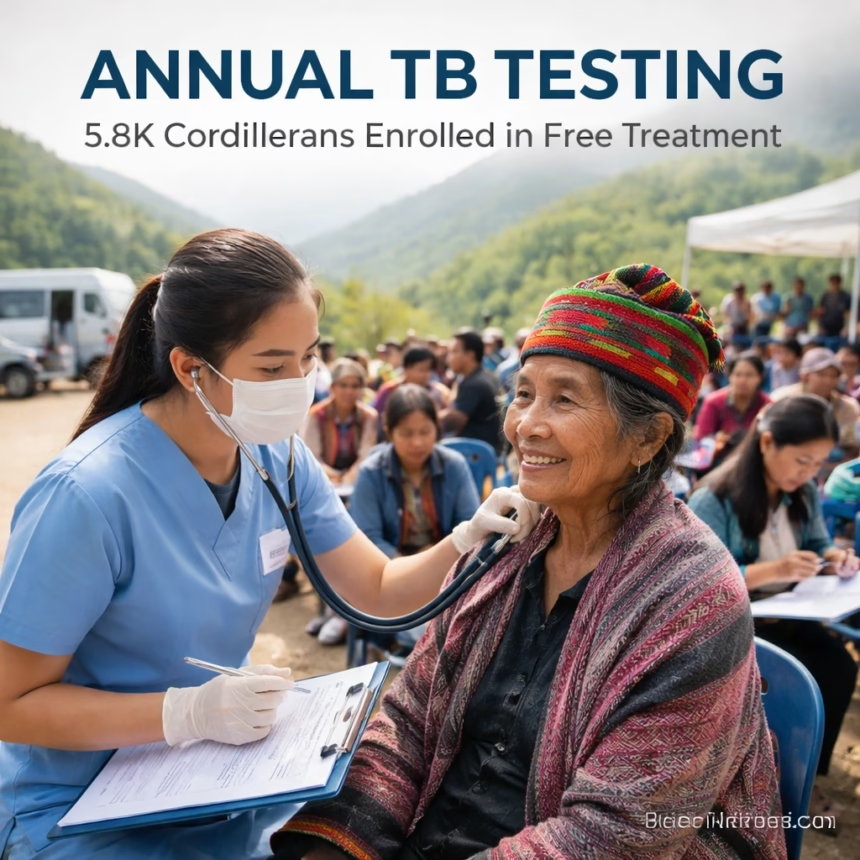
Silent Threat Unmasked: 5.8K Cordillerans Face TB Head-On with Annual Screening
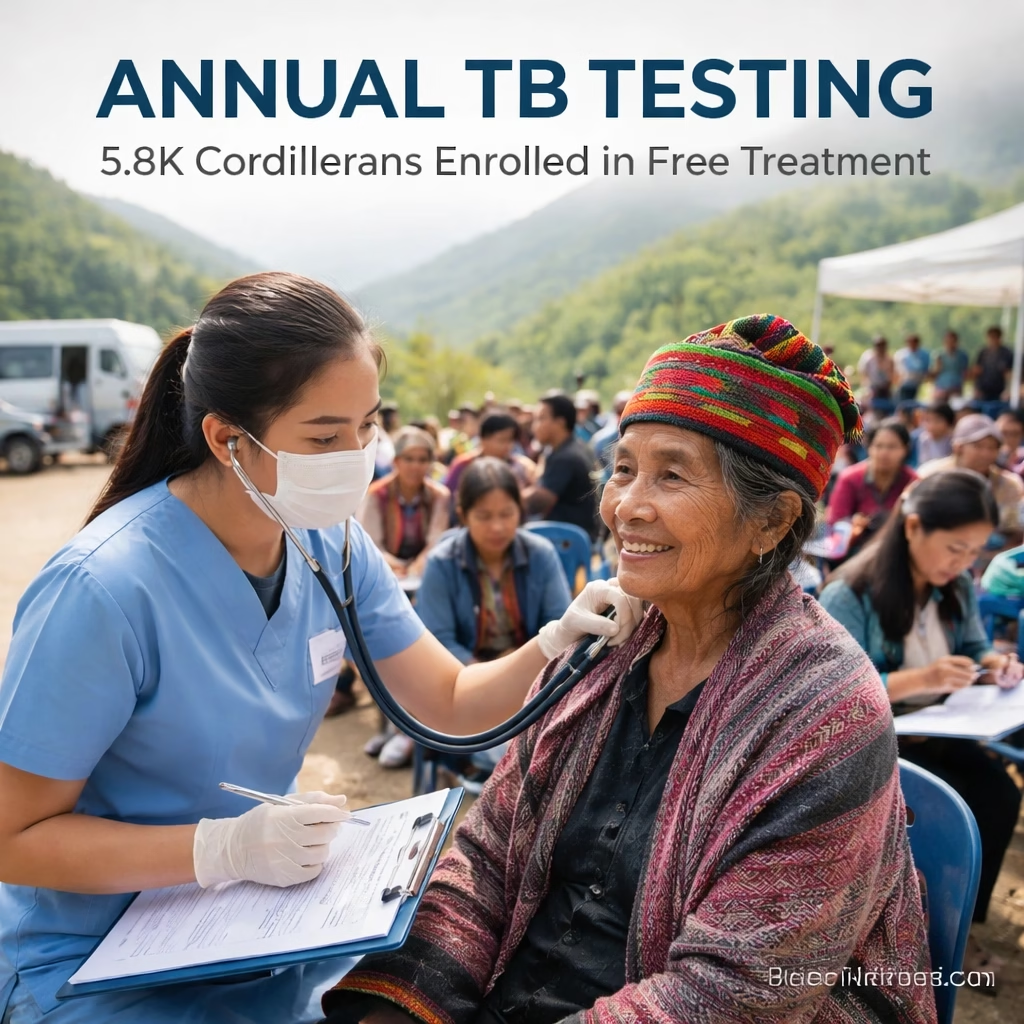
Over 5,800 residents across the Cordillera Administrative Region (CAR) are currently undergoing their annual tuberculosis (TB) screening, a vital component of the region's free treatment program. This widespread health initiative aims to monitor patient progress, detect new infections early, and reinforce public health efforts in the mountainous provinces. The screenings are being conducted throughout various health centers and community outreach posts across CAR, ensuring comprehensive coverage for enrolled patients.
Background: A Persistent Public Health Challenge
The Philippines continues to grapple with a significant tuberculosis burden, ranking among the top countries globally for TB prevalence and incidence. In response, the Department of Health (DOH) has long implemented the National Tuberculosis Control Program (NTP), a cornerstone initiative providing free diagnosis, medication, and comprehensive care nationwide. The Cordillera Administrative Region, characterized by its rugged terrain, dispersed indigenous communities, and varying levels of healthcare access, presents unique challenges in maintaining consistent public health interventions.
The 5,800 individuals currently undergoing their annual health assessment are part of a cohort previously diagnosed with active TB and enrolled in the DOH's free treatment regimen. This program, which typically involves a six to nine-month course of antibiotics, adheres to the internationally recognized Directly Observed Treatment, Short-course (DOTS) strategy. DOTS emphasizes consistent medication intake under the supervision of a healthcare worker or designated community volunteer, crucial for preventing drug resistance and ensuring successful outcomes. The annual testing serves as a critical follow-up mechanism, designed to monitor the efficacy of past treatments, detect potential relapses, and identify new cases within household contacts who may have been exposed.
Historically, remote areas in CAR have faced hurdles in patient follow-up and access to specialized medical services. Initiatives like this annual screening program represent a concerted effort to bridge these gaps, bringing essential healthcare directly to the communities most affected. The commitment to sustained free treatment and regular monitoring underscores the DOH's dedication to eradicating TB in even the most geographically challenging areas.
More Read

Key Developments in This Year’s Screening Drive
This year's annual screening for the 5,800 enrolled patients has seen several strategic enhancements aimed at improving accessibility, efficiency, and patient compliance. Health authorities in CAR, in close coordination with provincial and municipal health offices, have significantly scaled up outreach efforts. This includes the deployment of additional mobile health units, equipped to perform chest X-rays and collect sputum samples, reaching remote barangays previously considered difficult to access due to geographical barriers.
Community health workers (CHWs) are playing an even more pivotal role in this initiative. Trained and empowered, these local volunteers are conducting house-to-house visits, not only to remind patients of their scheduled screenings but also to provide essential health education on TB prevention, symptoms, and the importance of treatment adherence. This direct engagement has proven invaluable in building trust and ensuring a high patient turnout, especially in culturally sensitive indigenous communities across provinces like Ifugao, Kalinga, and Mountain Province.
More Read

Furthermore, the integration of digital health records is streamlining data collection and patient tracking across the region. This technological advancement allows for more precise monitoring of individual treatment histories, screening results, and follow-up schedules. It also enables public health officials to identify trends, pinpoint high-risk areas, and allocate resources more effectively. Local government units (LGUs) have also stepped up their support, providing logistical assistance such as transportation for patients from distant areas to designated testing sites, underscoring a robust multi-sectoral approach to public health.
Profound Impact on Patients and Communities
The impact of this sustained annual screening program extends far beyond the 5,800 individuals directly undergoing testing; it resonates deeply within their families and the broader Cordilleran communities. For these patients, regular monitoring is paramount for ensuring complete recovery, preventing the development of drug-resistant TB strains, and significantly improving their overall quality of life. Early detection of any recurrence or new infection means immediate intervention, drastically reducing the risk of severe illness, long-term complications, and potential fatalities.
Families and close contacts of enrolled patients also benefit immensely. Successful treatment and diligent monitoring drastically cut down the chances of household transmission, especially to vulnerable members such as infants, young children, and the elderly who are more susceptible to the disease. This creates safer home environments and reduces the emotional and financial burden associated with prolonged illness within a family.
Collectively, communities across the six provinces of CAR—Abra, Apayao, Benguet, Ifugao, Kalinga, and Mountain Province—experience a significant boost in public health. A healthier population translates into a more productive workforce, reduced healthcare expenditures for local governments, and enhanced social cohesion. The data gathered from these screenings is invaluable for public health officials, providing empirical evidence that informs future policy decisions, targeted resource allocation, and the development of more effective interventions to further reduce TB prevalence and incidence rates in the region.
What Next: Sustaining the Momentum Towards a TB-Free Cordillera
Following the completion of the current annual screening cycle, health authorities in the Cordillera Administrative Region will embark on a meticulous analysis of the collected data. This critical evaluation will assess the program's overall effectiveness, identify areas for process optimization, and highlight specific communities requiring intensified support. A primary milestone involves the prompt notification of all 5,800 patients regarding their individual results, coupled with immediate, personalized follow-up care for any detected issues or concerns.
For individuals exhibiting signs of relapse, new infections, or the development of drug resistance, enhanced treatment protocols will be swiftly implemented. This may include extended treatment durations, different medication regimens, or referral to specialized care facilities. The DOH, in collaboration with LGUs, aims to strengthen community-based surveillance mechanisms, ensuring that potential TB cases are identified and managed early, preventing further spread.
More Read

Furthermore, efforts will be intensified to expand health education campaigns across the region. These campaigns are crucial for demystifying TB, dispelling common myths, and combating the pervasive social stigma often associated with the disease. Reducing stigma is vital to encourage individuals to seek timely diagnosis and adhere to treatment without fear of discrimination. Long-term strategic goals include increasing screening coverage to reach even more at-risk populations, integrating TB services more seamlessly with other primary healthcare programs, and fostering sustainable community engagement.
Ultimately, these ongoing efforts in CAR are designed to contribute significantly to the national and global objective of TB elimination by 2030, in line with the ambitious targets set by the World Health Organization's End TB Strategy. Continued, unwavering collaboration among national agencies, local government units, healthcare providers, and the resilient communities themselves remains paramount to achieving a truly TB-free Cordillera and safeguarding the health of its people.