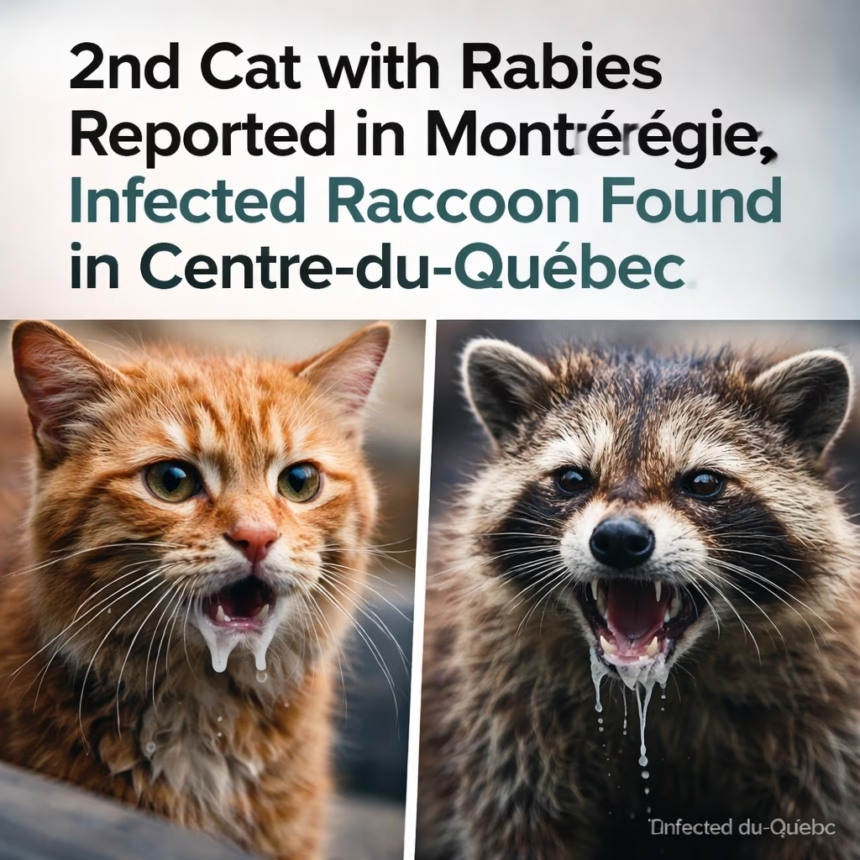
Rabies Alert Escalates: Second Feline Case Shakes Montérégie, Wild Animal Threat Spreads
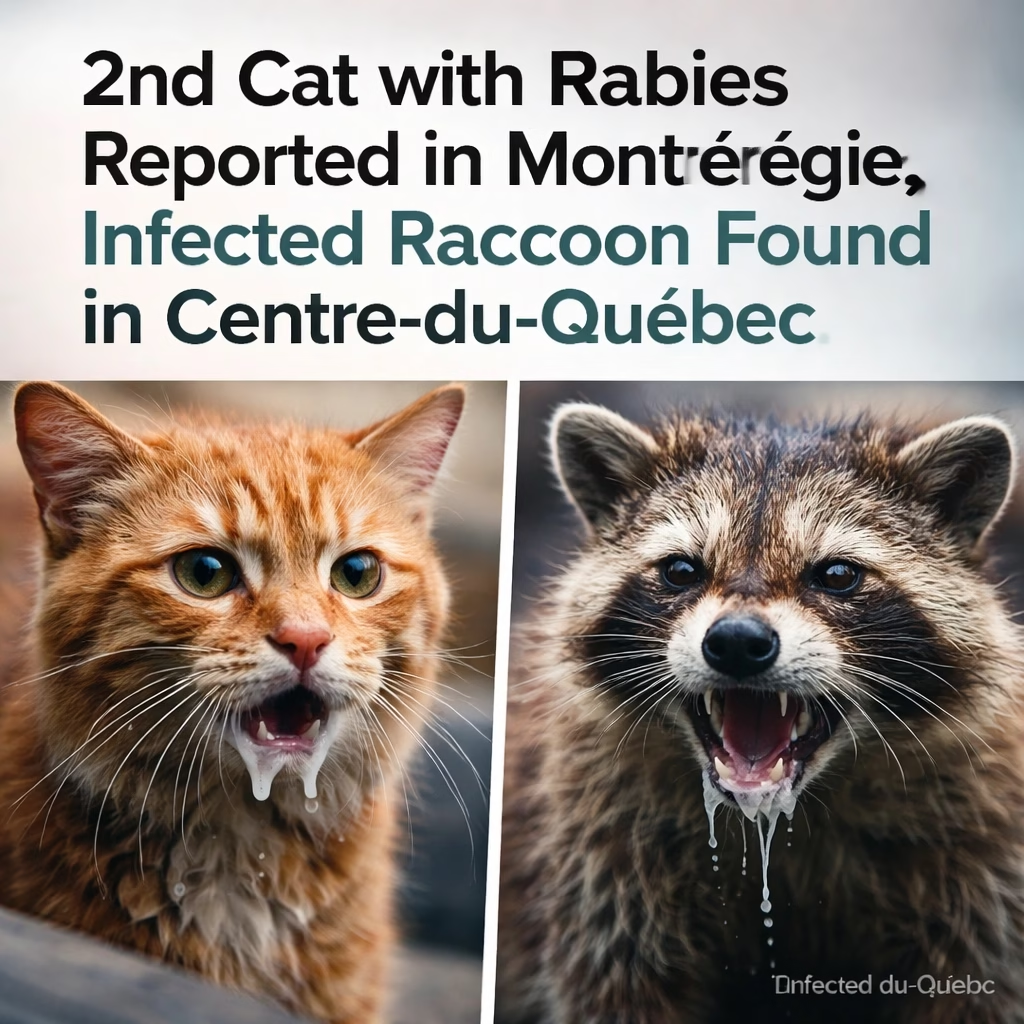
A significant public health alert has intensified across Québec following the confirmation of a second rabies-infected cat in the Montérégie region. This concerning development coincides with the discovery of a rabid raccoon in Centre-du-Québec, signaling a broader and more active presence of the deadly virus within the province's wildlife populations and posing an escalating risk to domestic animals and humans.
Background: A Resurgent Threat to Québec
Rabies, a viral disease that causes acute inflammation of the brain in warm-blooded animals, including humans, is almost invariably fatal once clinical symptoms appear. Transmitted primarily through the bite of an infected animal, the virus travels along nerve pathways to the brain, leading to severe neurological dysfunction. Symptoms in animals can range from behavioral changes like aggression or unusual tameness to paralysis and excessive salivation, often described as "foaming at the mouth."
Historically, rabies has been a persistent, albeit often controlled, public health concern in Québec. The province, like much of Canada, maintains robust surveillance programs for rabies, particularly in wildlife reservoirs such as foxes, skunks, bats, and raccoons. While cases in domestic animals like cats and dogs are less common due to widespread vaccination efforts, their occurrence serves as a critical indicator of increased viral activity in the environment.
The current wave of concern began earlier this year with the identification of the first rabid cat in Montérégie. That initial incident prompted immediate public health advisories, emphasizing the importance of pet vaccination and caution around wildlife. Experts at the time highlighted the potential for spillover from wild populations into domestic animals, underscoring the interconnectedness of ecosystems and human communities.
More Read

For several decades, Québec has implemented strategic measures, including oral rabies vaccination programs for wildlife in targeted areas, particularly along borders with regions where rabies is endemic. These efforts have largely been successful in curbing large-scale outbreaks, making the recent cluster of cases particularly noteworthy and a cause for heightened vigilance among public health officials and residents alike.
Key Developments: New Cases and Expanding Geographic Concern
The recent confirmation of a second rabies-infected cat in Montérégie has solidified fears that the virus is actively circulating within the region. This latest feline case, discovered in a residential area, exhibited classic symptoms of neurological distress before testing confirmed the presence of the rabies virus. Details surrounding the cat's exposure are under investigation, but it is strongly suspected to have had contact with an infected wild animal.
The discovery has triggered a swift response from local public health authorities, who are now undertaking contact tracing to identify any individuals or other animals that may have come into contact with the infected cat. This typically involves assessing potential human exposures for post-exposure prophylaxis (PEP) and evaluating the vaccination status and potential quarantine needs for any exposed pets. The cat was humanely euthanized to prevent further transmission and alleviate suffering.
More Read

Compounding the situation, an infected raccoon was simultaneously identified in the Centre-du-Québec region. This finding is significant as raccoons are known primary carriers and reservoirs for rabies, capable of transmitting the disease to a wide range of mammals. The raccoon's discovery in a distinct, though geographically proximate, region suggests that the rabies virus may be more broadly distributed across southern Québec than previously indicated by the Montérégie cat cases alone.
The Centre-du-Québec raccoon was found exhibiting abnormal behavior, which led to its capture and subsequent testing. Its positive rabies diagnosis confirms the active presence of the virus in the wild animal population of that area. This dual discovery marks a critical escalation, moving beyond isolated incidents to a pattern that demands an expanded and coordinated provincial response.
Impact: Protecting Pets, People, and Public Health
The escalating rabies situation carries significant implications for various segments of the population. Pet owners, particularly those in Montérégie and Centre-du-Québec, are directly affected. Public health officials are reiterating the critical importance of keeping dogs, cats, and ferrets up-to-date on their rabies vaccinations. Vaccination is the most effective preventative measure for domestic animals, forming a crucial barrier against the virus entering homes.
Beyond vaccination, responsible pet ownership practices are being emphasized. This includes supervising pets outdoors, keeping cats indoors, and ensuring dogs are leashed during walks to prevent encounters with potentially rabid wildlife. Any bite or scratch from a wild animal, or even an unknown domestic animal, should be reported immediately to local animal control or public health authorities for risk assessment.
For human populations, the primary concern is potential exposure. While direct human-to-human transmission is extremely rare, contact with an infected animal's saliva through a bite, scratch, or even mucous membranes (eyes, nose, mouth) can transmit the virus. Post-exposure prophylaxis (PEP) is a highly effective series of vaccinations and immune globulin administered after exposure but before symptoms appear. The recent cases underscore the need for public awareness regarding prompt medical consultation after any potential exposure.
Public health agencies are facing increased demands for surveillance, testing, and public education campaigns. Resources are being allocated to monitor wildlife populations more closely, conduct epidemiological investigations into each new case, and disseminate vital information to the public. This includes managing the logistical challenges of widespread testing and providing guidance to veterinary clinics and animal shelters.
More Read

Wildlife management authorities are also heavily impacted. The presence of rabies in raccoons necessitates a review of existing wildlife control strategies and potentially an expansion of oral rabies vaccine baiting programs. These programs aim to immunize wild populations, thereby reducing the prevalence of the virus in natural reservoirs and minimizing the risk of spillover to domestic animals and humans.
Rural communities and agricultural sectors, where interaction with wildlife is more frequent, face particular challenges. Farmers are advised to ensure livestock are protected and to report any unusual behavior in wild animals encountered on their properties. Children, often curious and less aware of dangers, are also a vulnerable group, necessitating clear education from parents and schools about the importance of never approaching or touching wild animals, especially those acting strangely.
What Next: Enhanced Vigilance and Coordinated Response
In response to the escalating situation, public health authorities across Québec are expected to maintain and intensify their current advisories. These will continue to stress the non-negotiable importance of rabies vaccination for all pets, particularly in affected regions. Information campaigns will likely be amplified through various media channels, ensuring residents are fully aware of the risks and preventative measures.
Enhanced surveillance will be a cornerstone of the ongoing strategy. This includes increased monitoring of both domestic animals and wildlife for signs of rabies. Veterinary clinics will play a crucial role, being urged to report any suspicious cases promptly and to reinforce vaccination schedules with their clients. Wildlife biologists and animal control officers will also intensify their efforts to track and test animals exhibiting unusual behavior.
The provincial government, in conjunction with regional health authorities, may consider expanding or initiating targeted oral rabies vaccine baiting programs in specific areas of Montérégie and Centre-du-Québec. These programs involve distributing baits containing an oral rabies vaccine, designed to be consumed by wildlife, thereby immunizing them and reducing the viral load within the ecosystem. Such initiatives require significant logistical planning and public communication to ensure their effectiveness and address any public concerns.
Community engagement will also be vital. Local municipalities may host information sessions or collaborate with public health officials to distribute educational materials, ensuring that residents have direct access to accurate information and can ask questions. The goal is to empower communities with knowledge, enabling them to make informed decisions regarding pet safety and personal health.
Looking ahead, the situation will be continuously assessed. The alert level will depend on the absence of new cases over a sustained period and evidence of reduced viral activity in wildlife. Until then, a period of heightened vigilance and adherence to public health guidelines will remain paramount for all Québec residents to mitigate the spread of this serious and potentially fatal disease.