Damietta Blast: US LNG Tanker Targeted by Drone, Regional Tensions Escalate
Damietta Blast: US LNG Tanker Targeted by Drone, Regional Tensions Escalate
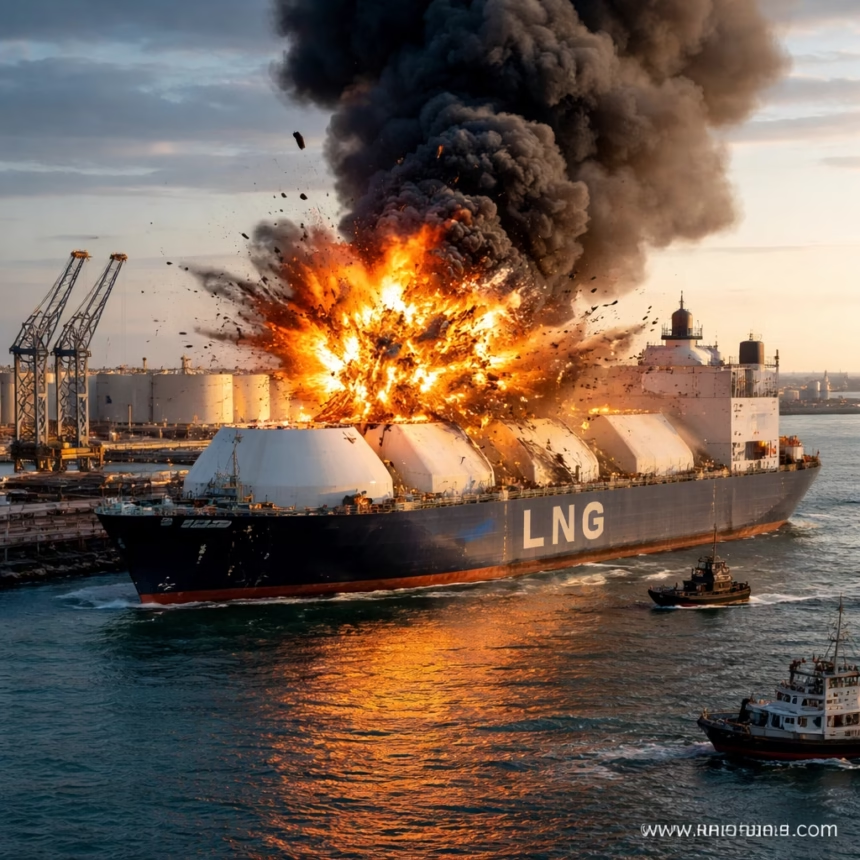
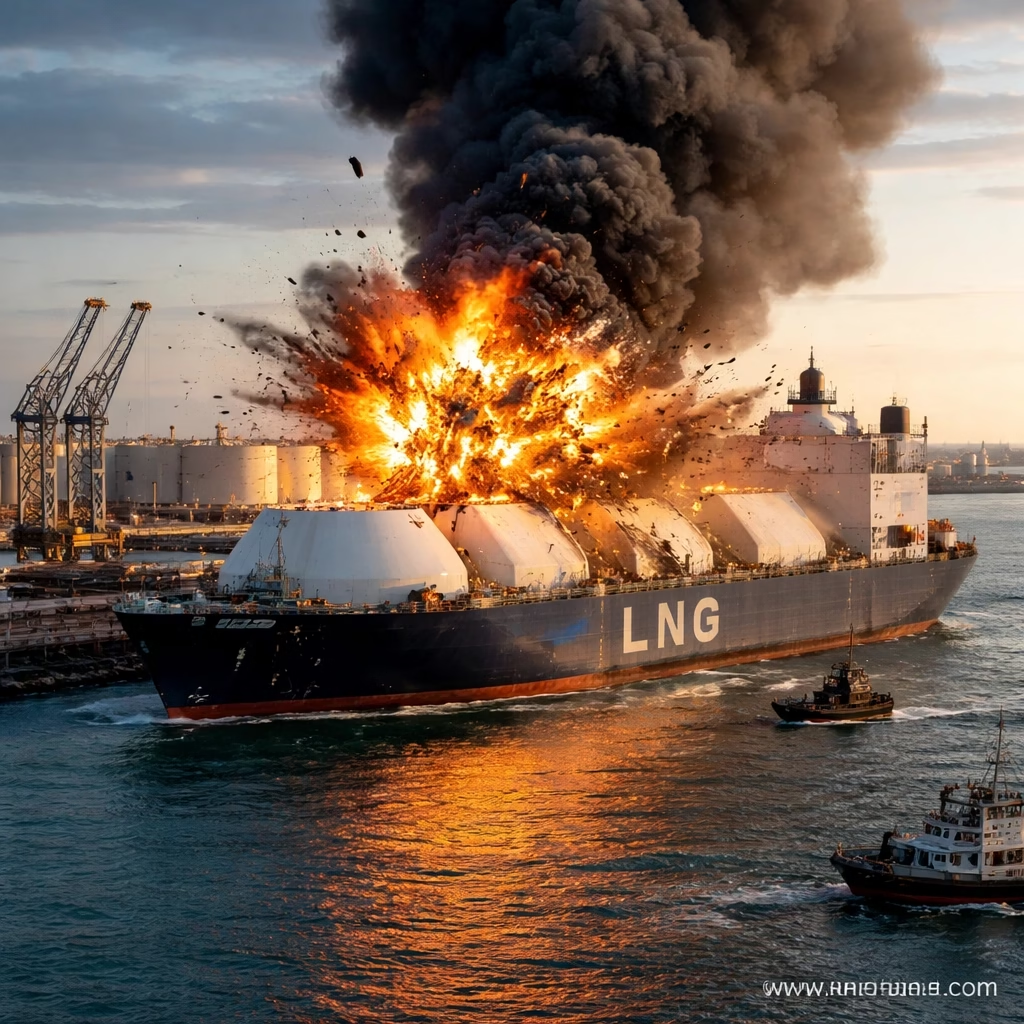
An explosion rocked the US-owned liquefied natural gas (LNG) tanker Liberty Flame in Egypt's Damietta Port during the early hours of Tuesday, November 19, 2024, following what Egyptian authorities describe as a drone strike. The incident has sent immediate ripples through global energy markets and raised alarms about escalating regional conflicts.
Preliminary reports indicate significant damage to the vessel's stern, though the integrity of its LNG containment tanks remains under urgent assessment. No fatalities have been reported among the 28-member international crew, though three individuals sustained minor injuries.
Background: A Region on Edge
Damietta Port, situated on Egypt's Mediterranean coast, is a critical hub for the country's burgeoning natural gas industry and a strategic gateway for international shipping. Its LNG export terminal plays a vital role in supplying European and Asian markets, underscoring its importance to global energy security.
The Liberty Flame, owned by the US-based Trans-Oceanic Energy Group, had been docked at Damietta's specialized LNG terminal, awaiting its cargo of Egyptian liquefied natural gas bound for a European destination. Its presence highlights the significant US investment and operational footprint within Egypt's energy sector.
Rising Tensions in the Red Sea
This incident unfolds against a backdrop of heightened maritime insecurity across the Red Sea and surrounding waterways. For months, commercial shipping has faced persistent threats, primarily from non-state actors operating in the southern Red Sea, who have targeted vessels perceived to have links to certain nations or interests.
More Read

While previous attacks have largely focused on the Bab al-Mandab Strait and Gulf of Aden, this strike marks a significant geographical escalation, extending the threat zone northwards into a major Mediterranean port. Egyptian authorities have been on high alert, implementing enhanced security measures around critical infrastructure.
The method of attack, involving an unmanned aerial vehicle (UAV), aligns with tactics previously observed in the region, suggesting a sophisticated and well-resourced perpetrator. This incident immediately draws comparisons to earlier drone and missile attacks on commercial vessels, though its occurrence within a sovereign port adds a new dimension of concern.
Key Developments: Immediate Response and Investigation
Following the blast, Egyptian emergency services, including naval and coast guard units, swiftly responded. Firefighting teams brought the blaze under control within hours, preventing a potentially catastrophic escalation involving the highly volatile LNG cargo. The port was immediately placed on lockdown, and all incoming and outgoing vessel traffic suspended.
Rear Admiral Ahmed Al-Sayed, Director of the Damietta Port Authority, confirmed the drone strike in a press conference, stating, "Our preliminary investigation points unequivocally to an external drone attack. We are working closely with international partners to ascertain the origin and perpetrators of this egregious act."
More Read

International Condemnation and Calls for De-escalation
The US Embassy in Cairo issued a statement condemning the attack, reiterating its commitment to maritime security and pledging full cooperation with Egyptian authorities. US Ambassador Sarah Jenkins emphasized the need for a unified international response to threats against commercial shipping and critical energy infrastructure.
Salvage and damage assessment teams, including specialists from Trans-Oceanic Energy Group, are now on board the Liberty Flame. Their immediate priority is to ensure the structural integrity of the vessel and mitigate any potential environmental hazards from a breach of fuel tanks or cargo.
Initial findings from the wreckage of the drone are being analyzed by Egyptian military intelligence. While no group has yet claimed responsibility, analysts are examining potential links to known regional actors with a history of targeting commercial shipping and employing drone technology.
Impact: Far-Reaching Consequences
The drone strike on the Liberty Flame has immediate and significant implications across several sectors, from global energy markets to regional geopolitics.
Market Volatility and Energy Security
Global LNG prices saw an immediate uptick in futures trading following news of the attack, reflecting heightened concerns about supply chain disruptions. Insurance premiums for vessels operating in the Eastern Mediterranean and Red Sea are expected to surge, adding to operational costs for shipping companies.
The incident also casts a shadow over Egypt’s ambition to become a major regional energy hub, potentially deterring future foreign investment in its gas exploration and export projects. Reliability and security are paramount for energy investors, and an attack within a major port undermines confidence.
More Read

Regional Stability and Maritime Security
This escalation pushes the boundaries of the existing Red Sea conflict, demonstrating a capability and willingness to strike deeper into strategically vital areas. It raises urgent questions about the effectiveness of current maritime security measures and the need for enhanced aerial and naval patrols.
For Egypt, the attack on its sovereign territory and critical infrastructure represents a direct challenge to its security. The incident could prompt a more robust military posture and potentially draw Egypt more directly into the broader regional maritime security efforts.
Environmental groups have also voiced concerns regarding the potential for an LNG leak or other hazardous material spillage, emphasizing the ecological fragility of the Mediterranean coast. While no major leak has been confirmed, the risk remains a significant worry.
What Next: Investigations, Diplomacy, and Security Reviews
The immediate focus remains on the comprehensive investigation into the attack. Egyptian authorities, with anticipated technical assistance from the US, will aim to conclusively identify the drone's launch point, flight path, and ultimately, the perpetrators. This investigation is expected to be complex and could take weeks or even months.
The Diplomatic Chessboard
Diplomatic efforts are already underway to de-escalate tensions and coordinate a unified international response. The US is likely to engage with regional allies to discuss enhanced security measures and potential deterrent actions. Calls for restraint and adherence to international maritime law are expected from the United Nations and other international bodies.
The incident will undoubtedly feature prominently in upcoming security dialogues between Egypt, its regional partners, and global powers. The need for a cohesive strategy to counter non-state actor threats in the maritime domain has become more urgent than ever.
Future of Maritime Security
In the wake of the attack, a significant review of port security protocols across the Eastern Mediterranean is anticipated. This may include the deployment of advanced anti-drone technologies, increased naval presence, and stricter controls over airspace near critical infrastructure.
For the Liberty Flame, repair operations will likely be extensive and costly, potentially sidelining the vessel for an extended period. Its future, and that of other US-owned energy assets in the region, will depend heavily on the perceived level of security and the effectiveness of measures taken to prevent future attacks.
The Damietta drone strike serves as a stark reminder of the volatile security landscape in the Middle East and its profound impact on global trade, energy supply, and international relations. The path forward will require careful diplomatic navigation, robust security enhancements, and a unified international commitment to protecting vital maritime routes.