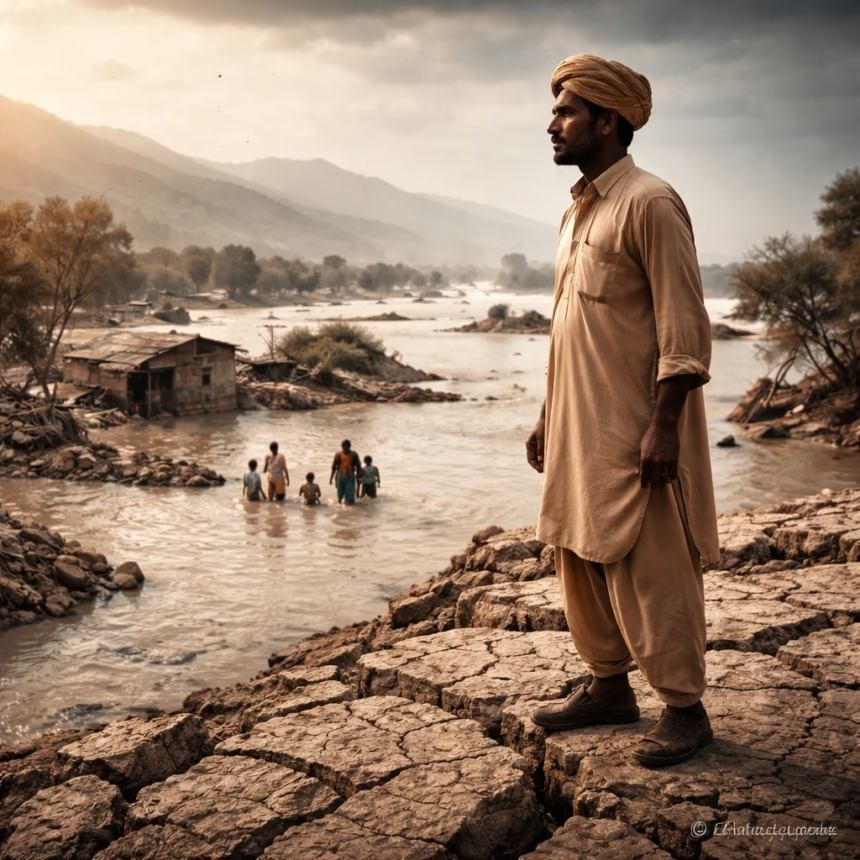
Climate Crises Erode Pakistan’s Land and People’s Resilience
Floods, Droughts, and Dust: Pakistan’s Climate Crisis Deepens
Pakistan is grappling with severe climate crises, as devastating floods and prolonged droughts threaten its land and people’s resilience. The country, already one of the most climate-vulnerable nations, faces escalating challenges that demand urgent attention.
Background
Pakistan’s climate vulnerabilities stem from its geographical location and heavy reliance on agriculture. The Indus River Basin, a lifeline for over 200 million people, is under severe stress due to changing weather patterns. In 2022, catastrophic floods submerged a third of the country, affecting 33 million people and causing $30 billion in damages.
The country has also experienced prolonged droughts, particularly in the Sindh and Balochistan provinces. These droughts have led to water shortages, crop failures, and displacement of communities. The World Bank estimates that climate change could push an additional 18 million Pakistanis into poverty by 2030.
Key Developments
Recent satellite imagery reveals alarming rates of land degradation. Over 2.5 million hectares of agricultural land have been lost due to saltwater intrusion and soil erosion. The Sindh province, once a breadbasket of the region, has seen a 40% decline in wheat production in the past decade.

Meanwhile, urban centers like Karachi and Lahore are battling extreme heatwaves. In 2023, Karachi recorded its highest temperature of 49°C (120°F), leading to power outages and health emergencies. The frequency of such heatwaves has increased by 300% since the 1990s, according to the Pakistan Meteorological Department.
Impact
The most affected are the rural communities, particularly farmers and laborers. Thousands have been displaced, and many have lost their livelihoods. Women and children bear the brunt, facing increased health risks and reduced access to education. The United Nations warns that food insecurity could rise by 60% by 2025 if current trends continue.
Economic losses are mounting. The agriculture sector, which contributes 20% of Pakistan’s GDP, has been hit hardest. The government estimates that climate-induced disasters have cost the country over $100 billion in the past decade. The World Bank has approved a $2 billion climate resilience package to help Pakistan adapt to these challenges.

What Next
Pakistan is set to host the next UN Climate Change Conference in 2024, aiming to secure global support for climate adaptation funds. The government has also announced a $5 billion investment in water conservation and renewable energy projects. However, experts warn that without immediate and large-scale action, the situation could worsen.
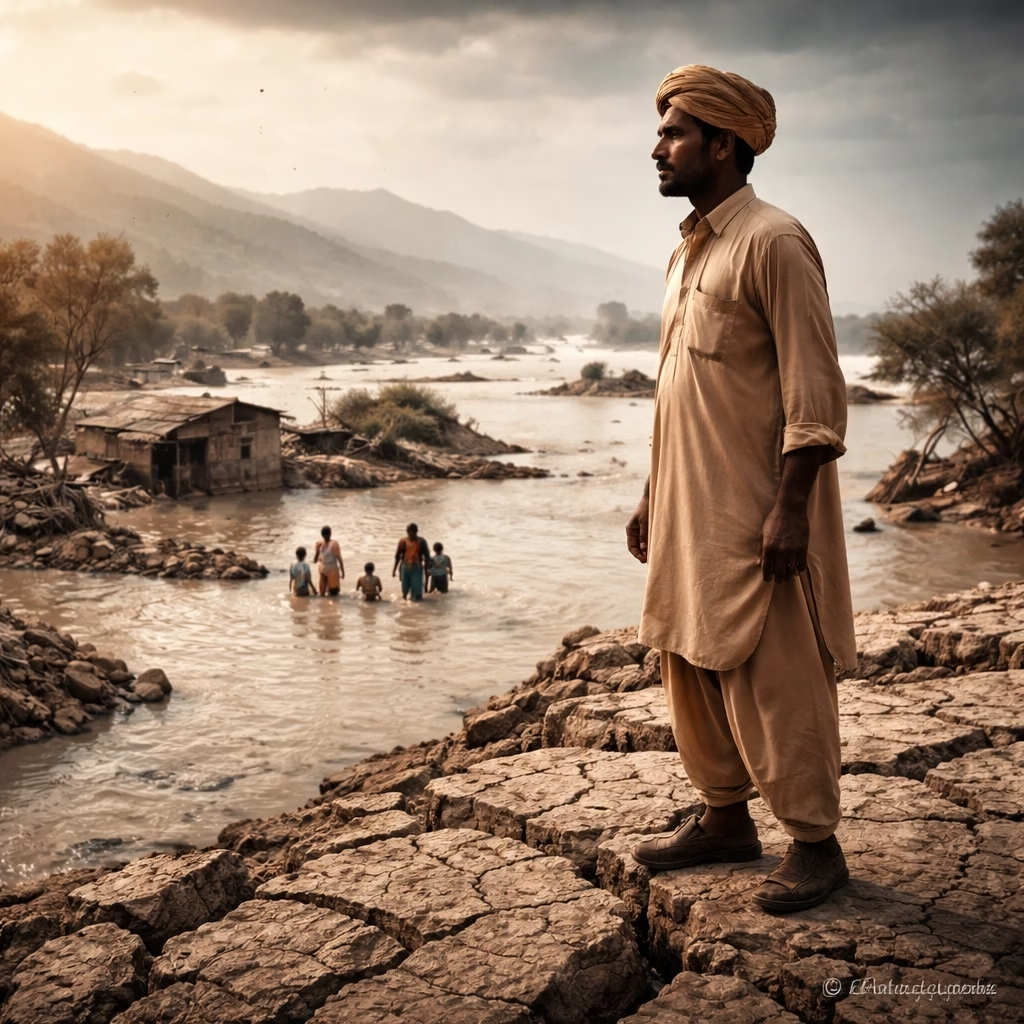
Local communities are adopting innovative solutions, such as drought-resistant crops and rainwater harvesting. NGOs and international organizations are providing relief and rehabilitation support. But the road to recovery remains long, and the need for sustained global and local efforts is critical.