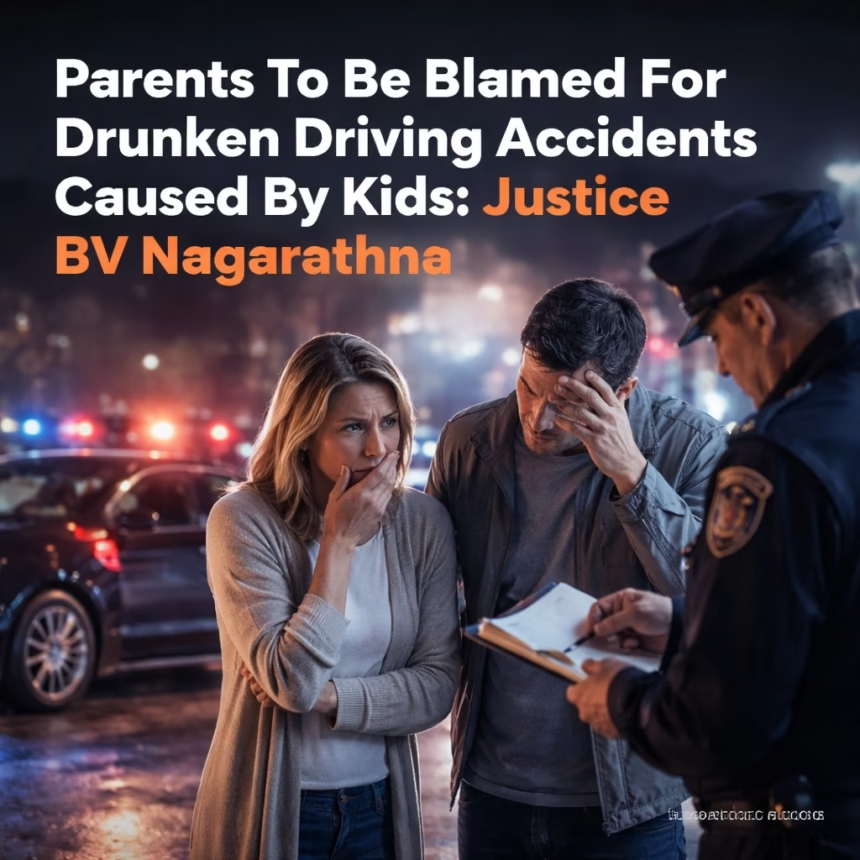
A recent ruling by Justice BV Nagarathna in the Supreme Court of India has ignited a national conversation about parental responsibility and liability in cases involving children, particularly those stemming from situations involving alcohol consumption by parents. The case, heard in New Delhi, raises complex legal and ethical questions about accountability.
Background: The Evolving Landscape of Parental Liability
Indian law generally doesn't hold parents directly liable for the actions of their children unless there's demonstrable negligence on their part. However, the legal framework surrounding parental responsibility has been gradually evolving, especially concerning situations where parental actions contribute to a child's vulnerability. Previous cases have touched upon issues like child neglect and ensuring a safe environment, but a direct link between parental intoxication and a child’s subsequent actions leading to harm has been less clearly defined.
The legal debate gained momentum in the wake of several incidents across India involving children involved in accidents allegedly linked to their parents' impaired driving or other irresponsible behavior. These incidents, often publicized in media outlets like The Hindu and NDTV, spurred calls for stricter regulations and a re-evaluation of the existing legal framework.

Key Developments: Justice Nagarathna’s Ruling and its Implications
Justice BV Nagarathna's recent observations in the Supreme Court case, involving a child involved in a road accident allegedly stemming from their parent's drunken driving on December 15, 2023, have been particularly impactful. While not delivering a definitive judgment on the overall issue, Justice Nagarathna emphasized the moral and ethical responsibility of parents to ensure their children's safety and well-being.
More Read

The Justice highlighted that while legal liability might be complex to establish, parental negligence leading to a situation where a child is exposed to risk could have consequences. Specifically, she stated that the court will consider the parent's awareness of the potential dangers and their failure to take reasonable precautions. This isn't a direct declaration of new law, but a significant shift in judicial perspective, signaling a potential move towards a more nuanced approach to parental accountability.
The ruling wasn't about directly blaming parents, but rather about emphasizing the need for increased awareness and stricter enforcement of laws related to responsible parenting and preventing situations that could endanger children.
Impact: Ripple Effects Across Communities
The ruling has resonated deeply within communities across India, sparking discussions about parenting responsibilities and the potential for greater legal scrutiny of parental behavior. Parents are grappling with the implications, concerned about potential legal repercussions and the pressure to ensure absolute safety for their children at all times.
More Read

Child welfare organizations, such as UNICEF India, have welcomed the attention to the issue, advocating for increased support for parents struggling with substance abuse or mental health issues. They argue that addressing the root causes of parental irresponsibility is crucial to preventing these tragic incidents. Furthermore, there’s a growing demand for stricter enforcement of existing laws against drunk driving and irresponsible behavior, particularly when children are involved.
What Next: Future Legal and Social Considerations
Legislative Review
The Supreme Court’s observations are likely to prompt a review of existing laws related to child safety and parental responsibility. Lawmakers across various states are expected to consider amendments to address the evolving challenges posed by parental negligence and its impact on children. This could involve clarifying the definition of negligence in such cases and establishing clearer guidelines for holding parents accountable.
Increased Awareness Campaigns
Government agencies and non-profit organizations are expected to intensify awareness campaigns aimed at educating parents about their responsibilities and the potential consequences of their actions. These campaigns will likely focus on the dangers of drunk driving, the importance of creating a safe home environment, and the need for responsible parenting practices. Initiatives targeting vulnerable communities are anticipated.
Case-by-Case Assessment
Moving forward, each case will likely be assessed on its own merits, considering the specific circumstances and the degree of parental negligence involved. While Justice Nagarathna’s ruling doesn’t create a blanket liability, it sets a higher standard for parental responsibility and emphasizes the importance of prioritizing children’s safety. The next few years will be crucial in shaping the legal landscape surrounding parental accountability in India. The court will likely continue to grapple with the complexities of balancing parental rights with the need to protect children from harm.