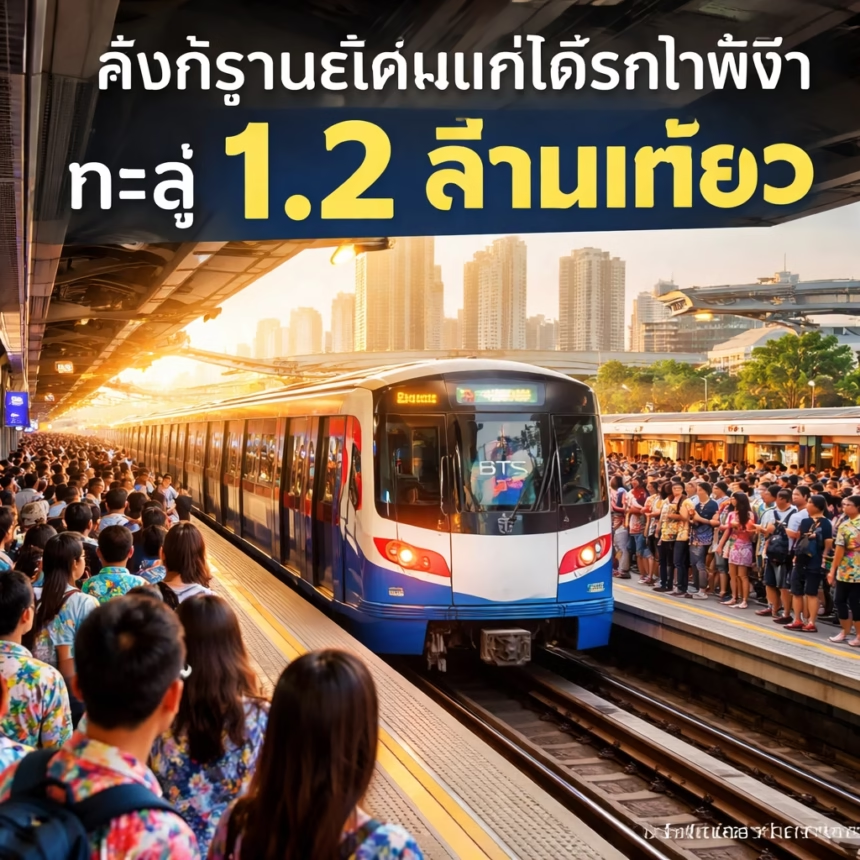
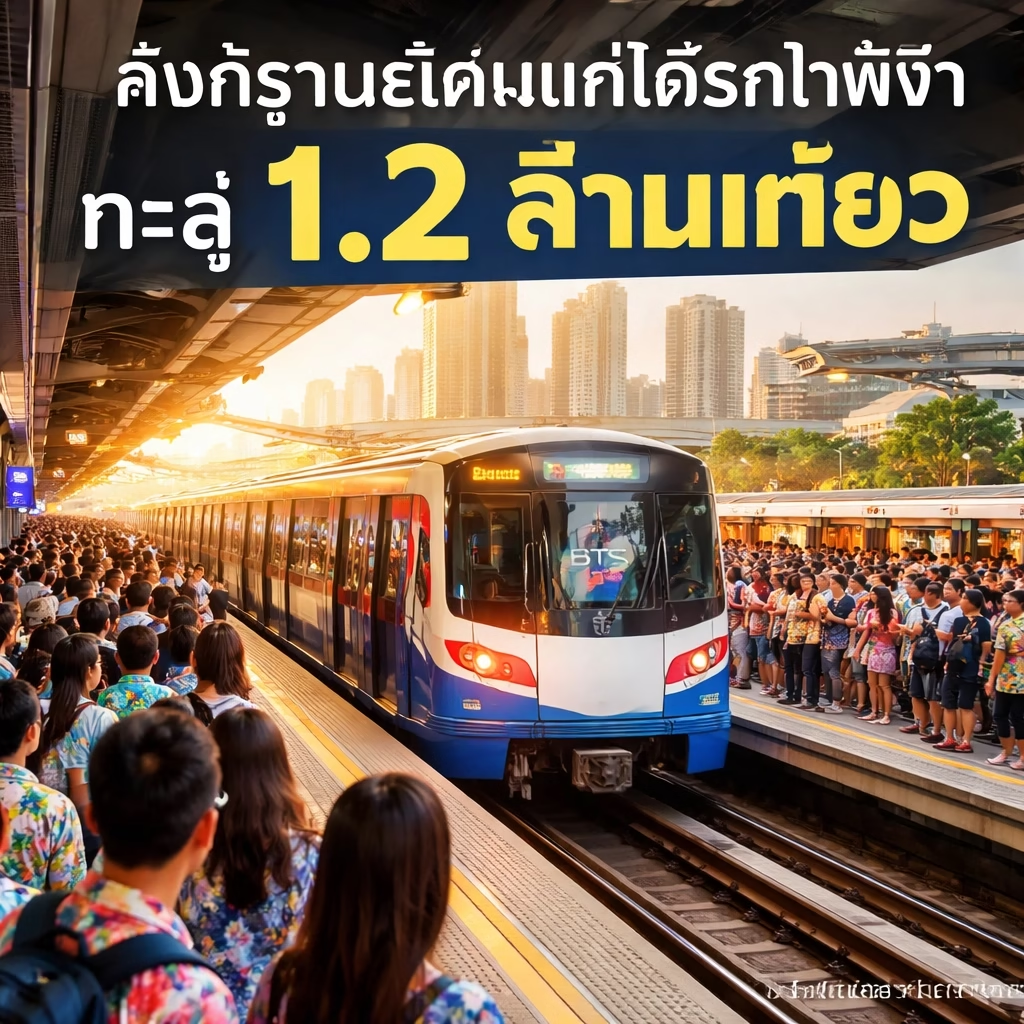
Bangkok's public transportation network witnessed an unprecedented surge during the recent Songkran festival, with the BTS Skytrain recording over 1.2 million passenger trips. This remarkable ridership, concentrated around popular festive hubs like Siam, Silom, and ICONSIAM, underscored the Skytrain's pivotal role in urban mobility during major holidays. The mid-April holiday period saw commuters and revelers alike flocking to the elevated rail system, transforming it into a central artery for the city's celebrations.
Background: The Evolution of Songkran Mobility
Songkran, the traditional Thai New Year, typically observed from April 13th to 15th, is renowned for its vibrant water-splashing festivities and family gatherings. Historically, this period often saw a mass exodus from Bangkok as residents returned to their hometowns, leaving the capital relatively quiet. However, in recent years, Bangkok itself has become a major Songkran destination, attracting both domestic and international tourists to its myriad of events and water zones.
Prior to the global pandemic, public transport, particularly the BTS Skytrain, already played a significant role in facilitating movement during the festival. Yet, post-pandemic, as full-scale celebrations resumed, a notable shift in mobility patterns became evident. The BTS Skytrain, which typically averages around 700,000-800,000 daily trips on weekdays, has been steadily regaining and surpassing its pre-pandemic ridership levels. Its extensive network, including the main Sukhumvit and Silom lines, and more recent extensions like the Gold Line connecting to ICONSIAM, has made it an indispensable mode of transport for navigating the city's often-congested streets. The extended public holidays, often spanning a full week, further amplified the demand for efficient travel options, making the Skytrain an attractive alternative to private vehicles.
Key Developments: A Record-Breaking Festival
The 2024 Songkran festival marked a historic moment for the BTS Skytrain, with passenger numbers exceeding all previous records for the holiday period. The reported 1.2 million trips represent a significant increase compared to previous Songkran celebrations, reflecting a robust return to normalcy and an intensified embrace of urban festivities. For context, while specific Songkran ridership figures from earlier years vary, this figure comfortably surpasses the averages seen in the immediate post-pandemic years and even pre-pandemic peaks for the holiday.

Several factors contributed to this unprecedented surge. The full-scale resumption of water fights and cultural events across Bangkok, after years of restrictions, drew massive crowds. Key entertainment and shopping districts served by the BTS, such as Siam Square, Siam Paragon, CentralWorld, and the Silom area (near Sala Daeng and Chong Nonsi stations), became focal points for revelry. The iconic ICONSIAM, a luxury riverside mall accessible via the Gold Line from Krung Thon Buri BTS station, emerged as another major draw, hosting large-scale events that attracted thousands. The convenience of direct access via public transport to these venues proved invaluable.
Moreover, the influx of both domestic and international tourists played a crucial role. Many visitors opted for the Skytrain to navigate the city, appreciating its efficiency and air-conditioned comfort amidst Bangkok's hot April weather. The perception of safety and ease of travel on public transport, especially when navigating crowded festival zones, also encouraged widespread adoption. Events strategically located near BTS stations, coupled with the difficulty of parking and navigating traffic during the festivities, solidified the Skytrain's position as the preferred mode of transport for millions.
Impact: Reshaping Urban Life and Commerce
The monumental ridership during Songkran had far-reaching implications across various sectors, highlighting the profound impact of robust public transportation on urban life, commerce, and tourism.

Economic Boost for Retail and Hospitality
Businesses situated along the BTS Skytrain routes, particularly major shopping malls, restaurants, and entertainment venues in areas like Siam, Silom, and Charoen Nakhon (ICONSIAM), experienced a substantial increase in foot traffic and sales. The ease of access enabled by the Skytrain directly translated into higher customer engagement, providing a significant economic boost during a traditionally slow period for some businesses. Hotels and guesthouses near BTS stations also benefited from the convenience offered to tourists.
Operational Challenges and Successes
For the BTS Skytrain operators, the surge presented both challenges and successes. Managing crowd control, ensuring timely train frequencies, and maintaining operational efficiency under immense pressure were critical. The ability to successfully transport over a million passengers daily speaks to the resilience and preparedness of the operational teams. This period serves as a valuable case study for future large-scale events, informing strategies for enhanced service delivery and crowd management.
Enhanced Tourist Experience
For tourists, both local and international, the BTS Skytrain offered a seamless and stress-free way to experience Songkran. Avoiding the city's notorious traffic jams and parking woes, visitors could easily hop between different festival zones, cultural sites, and shopping districts. This positive experience undoubtedly contributes to Bangkok's reputation as a tourist-friendly destination, encouraging repeat visits and positive word-of-mouth recommendations.
Environmental and Urban Planning Implications
The widespread use of the Skytrain during Songkran also carries environmental benefits, reducing the number of private vehicles on the road and consequently lowering traffic congestion and carbon emissions. From an urban planning perspective, this event underscores the critical importance of investing in and expanding public transport infrastructure to support a growing metropolis and its vibrant cultural events. It reinforces the vision of a more sustainable and accessible Bangkok.
What Next: Sustaining Growth and Future Preparedness
The record-breaking Songkran ridership provides valuable insights and sets new benchmarks for Bangkok's public transportation future. Moving forward, the BTS Skytrain and other public transport operators will likely leverage this data to refine their strategies for managing future peak periods, such as New Year's Eve, other major holidays, and international events.
Anticipated developments include continued investment in expanding the network, with new lines and extensions planned to further enhance connectivity across the metropolitan area. This expansion will be crucial in accommodating Bangkok's growing population and increasing tourist numbers. Furthermore, there will be an ongoing focus on upgrading existing infrastructure, including acquiring new trains and implementing advanced signaling systems, to boost capacity and improve service reliability.
More Read

Efforts to integrate the BTS Skytrain more seamlessly with other modes of public transport, such as the MRT (subway), Airport Rail Link, and river boat services, will also be vital. Such integration aims to create a truly multimodal transport system that offers comprehensive coverage and convenience to all commuters. The government's continued commitment to promoting public transport use, coupled with the city's dynamic event calendar, suggests that the BTS Skytrain's role as the backbone of Bangkok's urban mobility will only grow stronger. The lessons learned from this Songkran will undoubtedly shape a more efficient, sustainable, and passenger-centric public transport system for the future.