Shadow Wars: Is Kenya Heading Towards Another Election Crisis?
Kenya, a nation often lauded for its stability in East Africa, is facing a worrying resurgence of political violence. As the 2027 general election approaches, concerns are escalating about the increasing presence and influence of goonism – politically motivated thuggery – potentially jeopardizing the democratic process.
A History of Unease
Political violence is not new to Kenya. The country has a long and painful history of election-related unrest, particularly following presidential elections. The 2007 election saw widespread violence resulting in over 1,100 deaths and hundreds of thousands displaced. The 2017 election, while less overtly violent, still resulted in over 200 deaths and significant displacement, highlighting persistent vulnerabilities in the country’s political landscape.
These past episodes exposed deep-seated issues of inequality, ethnic tensions, and weak institutions, creating fertile ground for political manipulation and the mobilization of armed groups. The aftermath of both elections involved extensive investigations and attempts at reconciliation, but underlying problems remain largely unaddressed.
The Rise of Organized Thuggery
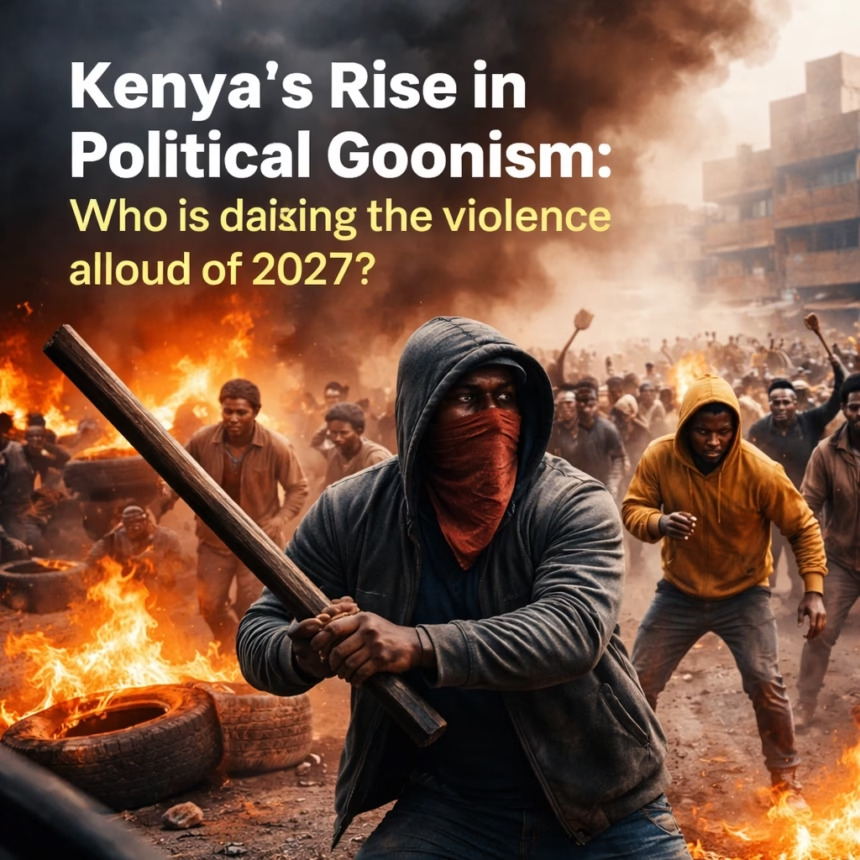
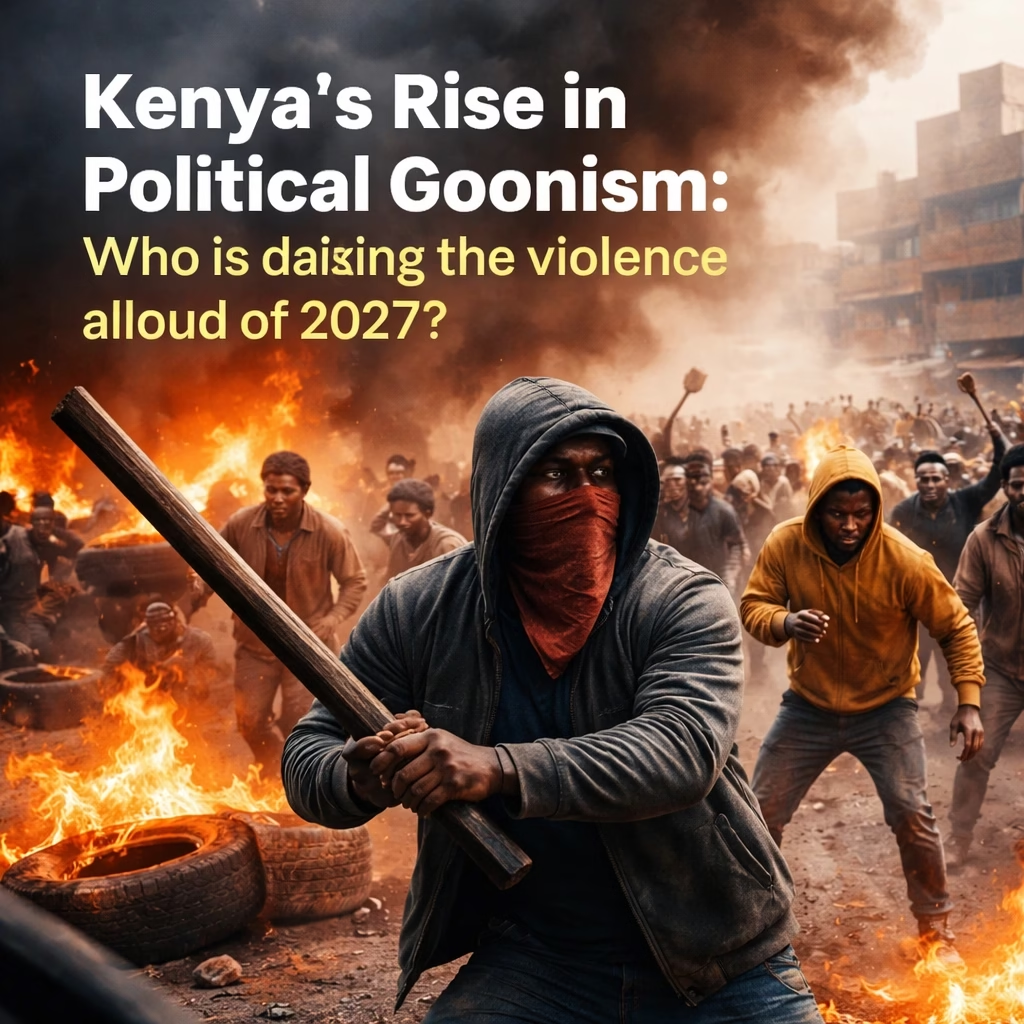
Recent months have witnessed a noticeable escalation in goon activity across several regions, particularly in Rift Valley, Nairobi, and parts of Western Kenya. Reports detail coordinated attacks, intimidation tactics, and property destruction allegedly carried out by groups affiliated with various political factions. These groups are often characterized by their youth membership, recruitment through social media, and alleged links to prominent politicians.

Specifically, incidents have been reported in Uasin Gishu County, a key stronghold for the UDA party, and in Nairobi's Mathare and Kibera slums. These areas, with their high population density and existing socio-economic challenges, provide ideal environments for goonism to flourish. Witness accounts and social media footage depict clashes, arrests, and widespread fear among residents.
Funding and Logistics
While definitively tracing the funding of these groups is challenging, allegations point towards wealthy politicians and influential figures providing financial support, logistical assistance (vehicles, weapons, and accommodation), and political protection. Some reports suggest that goons are being paid daily allowances and offered incentives for carrying out specific tasks, such as disrupting rallies, intimidating voters, and attacking rival supporters.
More Read
The use of social media platforms like WhatsApp and TikTok is also playing a crucial role in organizing and mobilizing goons, disseminating propaganda, and coordinating attacks. This allows for rapid communication and the amplification of divisive narratives.
The Human Cost
The escalating goon activity is having a devastating impact on communities across Kenya. Beyond the physical injuries and property damage, the atmosphere of fear and intimidation is stifling freedom of expression and hindering participation in civic life. Many residents are hesitant to attend political gatherings or express their views openly, fearing retribution.
Families are struggling to cope with the trauma of violence, loss, and displacement. Businesses have been disrupted, and economic activity has been hampered in affected areas. Human rights organizations have documented numerous cases of arbitrary arrests, torture, and extrajudicial killings allegedly perpetrated by goons and law enforcement officials alike.
Looking Ahead
The upcoming 2027 election presents a critical juncture for Kenya. If the current trend of goonism continues unchecked, it could severely undermine the legitimacy of the electoral process and plunge the country back into chaos.
Several actions are expected in the coming months. The Independent Electoral and Boundaries Commission (IEBC) is expected to release its preparations for the election, including security arrangements. The government has pledged to crack down on goon activity, but critics argue that these efforts have been insufficient.
Potential Interventions
Civil society organizations and international observers are calling for increased investment in conflict prevention and mediation efforts. This includes strengthening law enforcement capacity, promoting dialogue between political actors, and addressing the underlying socio-economic grievances that fuel political violence. Crucially, accountability mechanisms must be strengthened to ensure that those involved in goonism are brought to justice.
More Read

The success of Kenya’s democratic future hinges on its ability to address the root causes of political violence and create a more inclusive and equitable society. Failure to do so risks repeating the devastating cycles of the past.