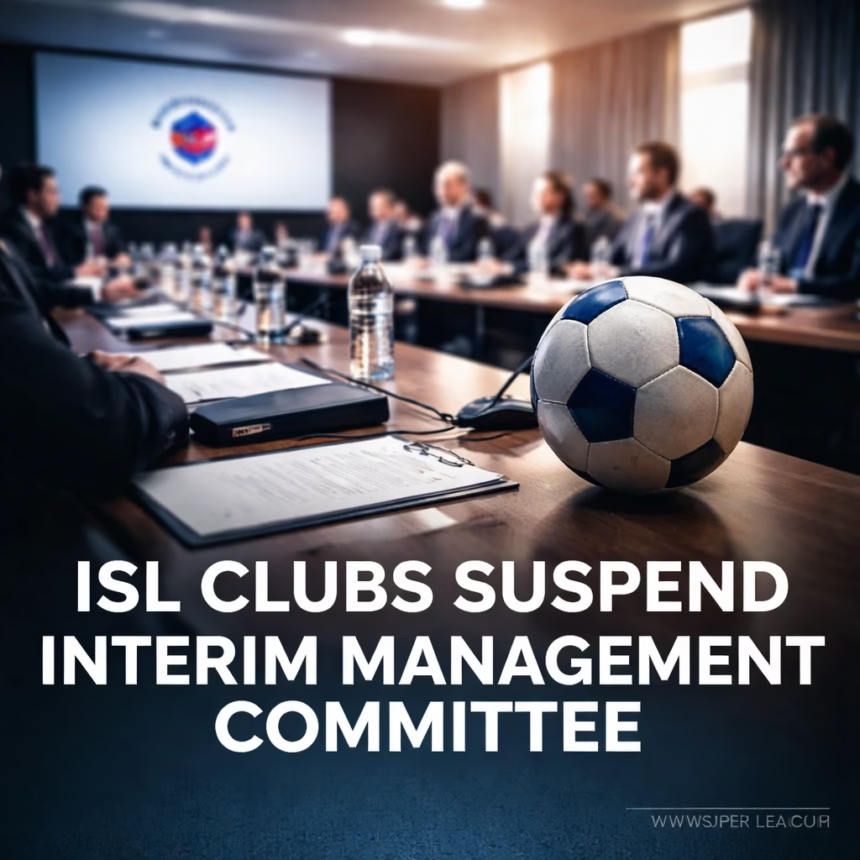
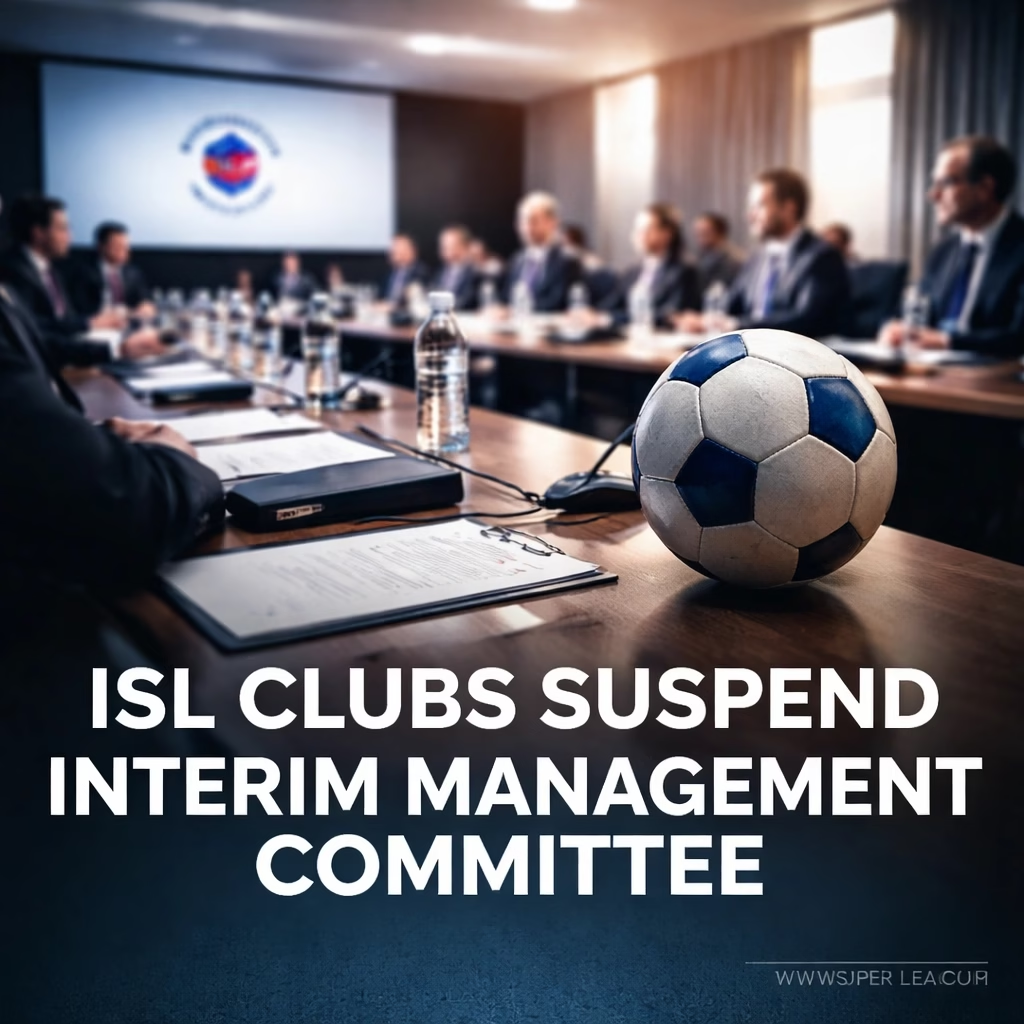
Mumbai, India – Less than 24 hours before the highly anticipated kickoff of the Indian Super League (ISL) season, a dramatic turn of events has plunged the nation's premier football competition into administrative uncertainty. A collective of ISL clubs announced the immediate suspension of the Interim Management Committee (IMC) on the evening of September 20, 2024, citing a breakdown in trust and governance issues. This unprecedented move, emanating from a closed-door meeting of club owners, casts a shadow over the league's operational stability just hours before the opening whistle.
Background: A Troubled Path to Interim Governance
The Interim Management Committee was established in August 2022, following a period of significant upheaval within Indian football. Its formation was a direct consequence of the All India Football Federation (AIFF) facing a ban from FIFA, the global governing body for football, due to "undue third-party influence." This ban, which lasted for 11 days, had threatened India's participation in international tournaments and cast a pall over the sport's future in the country. FIFA had mandated the establishment of an independent committee to oversee the AIFF's affairs, particularly focusing on electoral reforms and ensuring compliance with its statutes.
The IMC's mandate was broad, encompassing the daily administration of Indian football, guiding the AIFF through a new electoral process, and ensuring the smooth conduct of domestic leagues, including the ISL. It was seen as a temporary but crucial mechanism to stabilize the sport's governance after years of reported mismanagement and internal disputes within the AIFF. The Football Sports Development Limited (FSDL), the commercial partner and organizer of the ISL, has historically worked closely with the AIFF and, by extension, the IMC, to manage league operations. However, from its inception, the IMC faced the complex challenge of balancing the interests of various stakeholders: the AIFF, FSDL, the clubs, and FIFA itself.
Key Developments: A Unanimous Decision
The decision to suspend the IMC emerged from a crucial meeting held in Mumbai earlier on September 20. Representatives from a majority of the ISL clubs convened to discuss their escalating concerns regarding the committee's functioning. Sources close to the clubs indicated a growing frustration over what was perceived as a lack of transparency, insufficient consultation on critical league matters, and a failure to address long-standing grievances related to revenue distribution models and regulatory frameworks.
The clubs reportedly issued a formal resolution, stating their collective loss of confidence in the IMC's ability to effectively govern the league and represent their interests. The resolution, which was reportedly unanimous among the participating clubs, cited several points of contention, including delayed decision-making processes, a perceived disconnect between the IMC and the operational realities of the clubs, and an alleged overreach of authority without adequate accountability. While specific details of the resolution remain under wraps, the core message communicated was a clear demand for immediate changes in the governance structure. The clubs assert that this suspension is a necessary step to safeguard the integrity and commercial viability of the ISL, ensuring that the voices of its primary stakeholders – the clubs themselves – are heard and respected.
More Read

Impact: Uncertainty Grips the League
The timing of this announcement could not be more critical, creating a palpable sense of unease across the Indian football landscape. With the ISL season opener scheduled for September 21, the immediate operational impact remains a significant concern. While match schedules, player registrations, and broadcast commitments are largely managed by FSDL, the administrative vacuum created by the IMC's suspension raises questions about regulatory oversight and dispute resolution mechanisms.
For players and coaching staff, this administrative turmoil introduces an unwelcome element of instability, potentially affecting morale and focus just as the competitive season begins. Fans, who have eagerly awaited the start of the new campaign, are left to ponder the implications of this governance crisis on the quality and continuity of their beloved league. Sponsors and broadcasters, who have invested heavily in the ISL, will undoubtedly be monitoring the situation closely, concerned about potential disruptions to the league's image and operational stability. Beyond the immediate practicalities, the incident risks further damaging Indian football's international reputation, particularly after the recent FIFA ban, highlighting ongoing challenges in establishing a stable and transparent governance model.
More Read

What Next: Urgent Dialogue and Potential Mediation
The immediate aftermath of the clubs' decision is expected to be characterized by urgent consultations and potential mediation efforts. The AIFF, under whose broader umbrella the IMC technically operated, is anticipated to issue an official statement addressing the clubs' actions. AIFF President Kalyan Chaubey and the federation's executive committee are likely to be pressed for a swift and decisive response to prevent further escalation.
FSDL, as the league's operator, will also play a crucial role in navigating this crisis, likely seeking to facilitate dialogue between the clubs and other stakeholders to ensure the smooth continuation of the season. There is an expectation that an emergency meeting involving representatives from the clubs, the AIFF, and potentially even FIFA observers, will be convened within the next 48 to 72 hours. The primary objective of such a meeting would be to establish a temporary framework for governance and to begin discussions on a more permanent, mutually acceptable solution. Legal challenges from the IMC or other aggrieved parties cannot be ruled out, further complicating the path forward. The long-term implications for Indian football's governance structure are profound, potentially leading to a fundamental restructuring of how the ISL and the AIFF interact, and how clubs assert their collective influence within the sport.