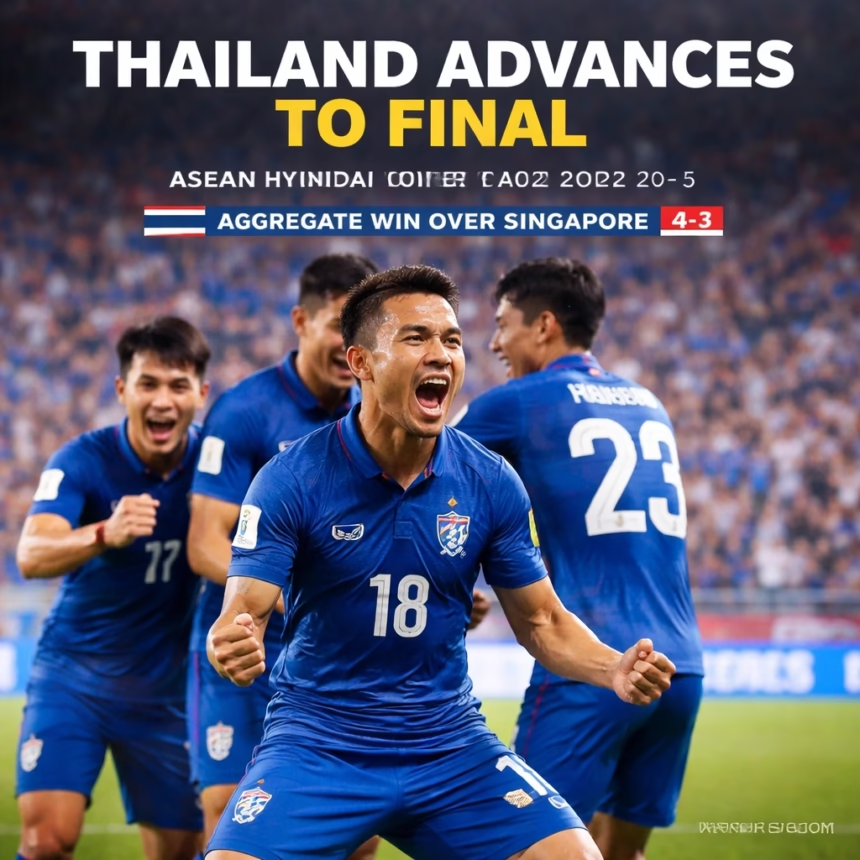
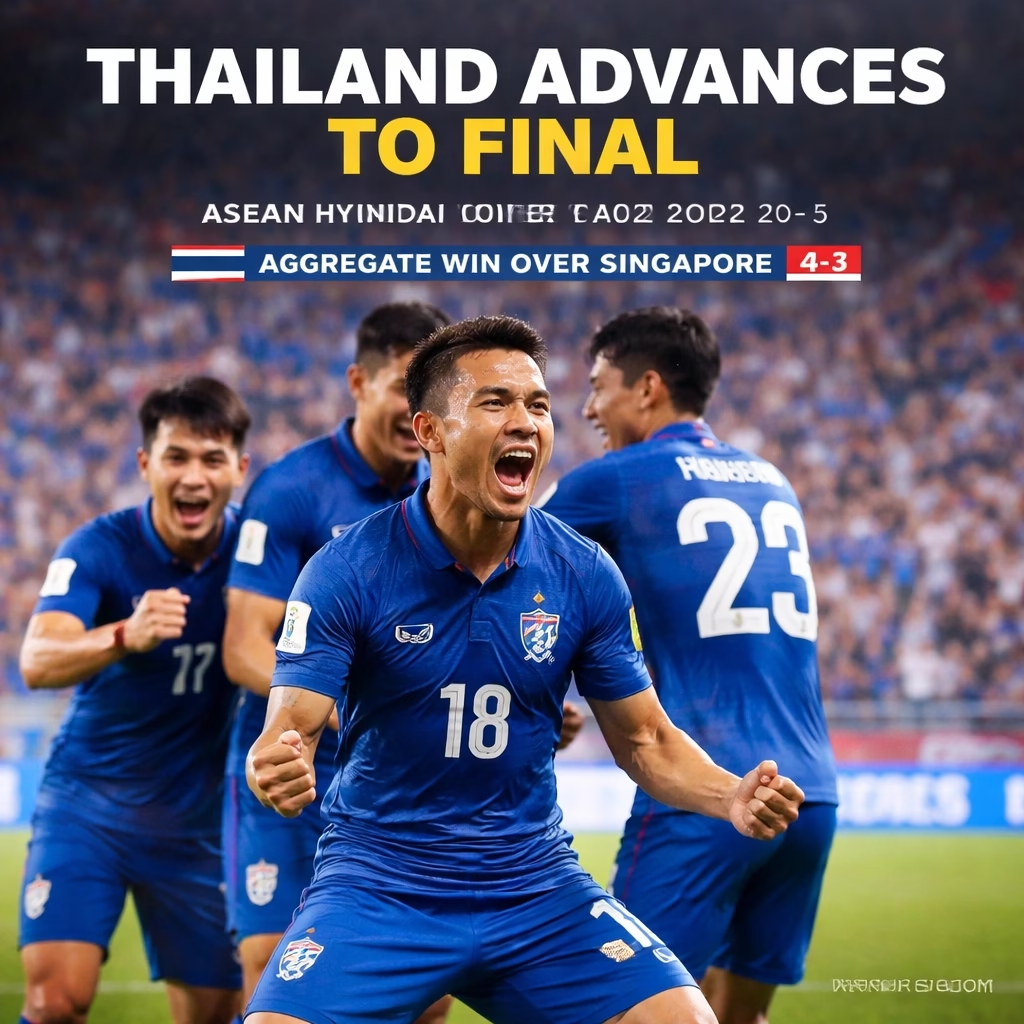
Thailand has secured its coveted spot in the ASEAN Hyundai Cup 2026 final, triumphing over regional rivals Singapore with a thrilling 4-3 aggregate victory. The decisive semi-final clash concluded on November 12, 2026, at the iconic Rajamangala National Stadium in Bangkok, sending Thai fans into raptures and setting the stage for a monumental championship match.
Background: A Legacy Forged in Regional Rivalry
The ASEAN Hyundai Cup, inaugurated in 1996 as the AFF Championship, has grown into the premier football tournament for Southeast Asian nations. Renamed in 2024 following a significant partnership with Hyundai, the biennial competition showcases the region's top talent and fierce rivalries. Thailand, often dubbed the "War Elephants," boasts a storied history in the tournament, holding the record for the most titles won. Their consistent performance and attacking flair have solidified their status as a regional powerhouse.
Singapore, known as the "Lions," also has a proud tradition in the competition, having lifted the trophy on multiple occasions. Matches between Thailand and Singapore are frequently characterized by intense competition and dramatic moments, reflecting a deep-seated footballing rivalry that captivates fans across both nations. Both teams entered the 2026 semi-finals with strong campaigns, topping their respective group stages and demonstrating formidable form in the quarter-finals. Thailand had dispatched the Philippines with a comfortable 5-1 aggregate, while Singapore overcame Indonesia in a tight 3-2 contest. This semi-final was anticipated to be a classic, pitting two of the tournament's most successful teams against each other for a place in the final.
Key Developments: A Semi-Final Thriller Unfolds
The two-legged semi-final delivered on its promise of high-octane football, keeping supporters on the edge of their seats until the final whistle. The first leg, hosted at Singapore's National Stadium on November 8, 2026, concluded in a pulsating 2-2 draw.
First Leg: Lions Roar Back at Home
In Singapore, the home side initially struggled to contain Thailand's dynamic midfield. The War Elephants took an early lead through striker Teerasil Dangda in the 18th minute, capitalizing on a defensive lapse. Thailand extended their advantage just before halftime when midfielder Chanathip Songkrasin, after a dazzling solo run, slotted home from close range in the 43rd minute. Singapore appeared stunned, but a tactical change at halftime saw them emerge with renewed vigor. Captain Hariss Harun pulled one back from the penalty spot in the 65th minute after a foul in the box. The Lions then completed a remarkable comeback in injury time, with substitute Ikhsan Fandi heading in a dramatic equalizer in the 90+3 minute, leaving the aggregate score finely balanced at 2-2.
Second Leg: Bangkok Witnesses Thai Dominance
The return leg in Bangkok four days later, on November 12, 2026, was played in front of a capacity crowd of over 60,000 fervent Thai supporters. The atmosphere was electric, with a sea of blue and red flags creating an intimidating backdrop for the visiting Lions. Thailand, spurred on by their home crowd, started aggressively, pressing high and dictating the tempo. Their efforts paid off in the 32nd minute when winger Supachok Sarachat unleashed a powerful shot from outside the box that found the top corner, putting Thailand ahead 3-2 on aggregate.
Singapore responded with resilience, creating several half-chances, but Thai goalkeeper Chatchai Budprom made a series of crucial saves to maintain their lead. The second half saw a more open game as Singapore pushed for an equalizer, leaving gaps at the back. Thailand capitalized on one such opportunity in the 78th minute when an exquisite through ball from Chanathip found substitute striker Suphanat Mueanta, who calmly rounded the goalkeeper to double Thailand's lead on the night and extend the aggregate to 4-2.
Singapore refused to surrender, and with just five minutes remaining in regular time, midfielder Shahdan Sulaiman scored a spectacular free-kick, curling the ball over the wall and into the net, bringing the aggregate score to 4-3. The final minutes were tense, with Singapore throwing everything forward in search of another equalizer, but the Thai defense held firm. The final whistle erupted in a cacophony of cheers and celebrations, confirming Thailand's hard-fought passage to the final.

Impact: A Nation Galvanized, A Rivalry Redefined
Thailand's victory has ignited a wave of national pride and excitement across the country. The win not only secures a shot at another regional title but also reinforces Thailand's status as a dominant force in Southeast Asian football. This success is expected to boost player morale significantly, attract further investment in youth development programs, and enhance the commercial appeal of the Thai League. For the fans, it's a moment of collective joy and anticipation, with ticket sales for the final expected to soar.
For Singapore, the defeat is a bitter pill to swallow, particularly after their spirited comeback in the first leg and their late surge in Bangkok. The Lions displayed commendable resilience and tactical adaptability, showcasing the growing strength of Singaporean football. While disappointment is palpable, their performance against a top regional side suggests a promising future. Analysts will now scrutinize their campaign, focusing on areas for improvement ahead of upcoming international fixtures and the next edition of the ASEAN Hyundai Cup. The intense semi-final has also revitalized the rivalry between the two nations, setting the stage for even more compelling encounters in the future.
The tournament itself benefits immensely from such a high-stakes encounter. The dramatic nature of the semi-final has captivated audiences across the region, generating significant viewership numbers and amplifying the prestige of the ASEAN Hyundai Cup as a must-watch event.
What Next: The Road to Regional Glory
Thailand now awaits the winner of the other semi-final clash between Vietnam and Malaysia, which is scheduled to conclude on November 13, 2026. Early predictions suggest Vietnam, another regional powerhouse, is the favorite to advance, setting up a potentially epic final between two of ASEAN's most formidable footballing nations.
The ASEAN Hyundai Cup 2026 final is slated for December 5, 2026, at a neutral venue yet to be officially announced, though Kuala Lumpur's Bukit Jalil National Stadium is a strong contender. The Thai squad will undergo intensive training and tactical preparations in the coming weeks, with head coach Mano Polking emphasizing recovery and strategic planning to counter their final opponent. A victory in the final would not only add another prestigious trophy to Thailand's cabinet but also further cement their legacy as the kings of Southeast Asian football, potentially opening doors for more international friendlies and greater global recognition. For Singapore, attention will turn to qualifying for the AFC Asian Cup and building on the promising performances seen throughout this tournament.