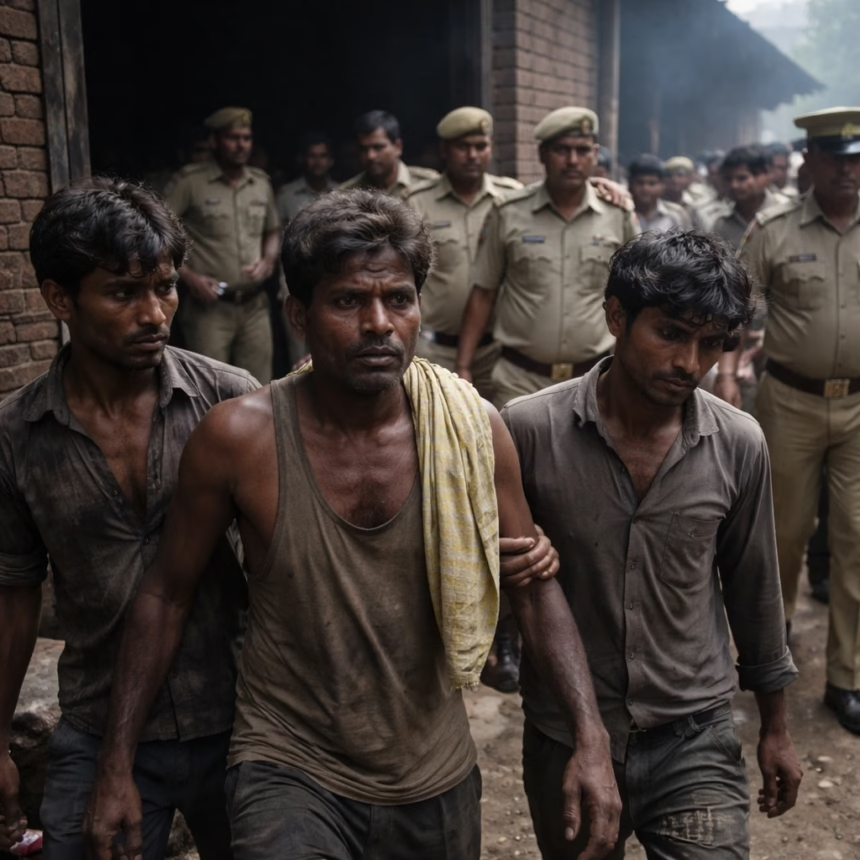
In a dramatic operation last week, Uttar Pradesh police rescued six men held captive as bonded laborers in a rural area of Muzaffarnagar district. The discovery has sent shockwaves across India, highlighting the persistent challenge of modern slavery despite stringent laws and ongoing government efforts. This incident brings the critical issue of human exploitation to the forefront of national discourse.
Background: A Persistent Scourge
Bonded labor, often referred to as modern slavery, is a system where individuals are forced to work to repay a debt, often inherited or fabricated, that can never be fully discharged. This ancient practice, though outlawed, continues to plague various sectors in India, particularly agriculture, brick kilns, stone quarries, and domestic work. The victims are typically from marginalized communities, including Dalits and Adivasis, who are economically vulnerable and lack access to education or alternative livelihoods.
The Legal Framework Against Bondage
India officially abolished the Bonded Labour System through the Bonded Labour System (Abolition) Act of 1976. This comprehensive legislation aimed to free all bonded laborers, extinguish their debts, and provide for their rehabilitation. The Act criminalizes the practice, making it a cognizable offense, and mandates state governments to identify, release, and rehabilitate bonded laborers. Despite its robust provisions, enforcement remains a significant challenge due to systemic issues, lack of awareness, and the clandestine nature of the operations.
Socio-Economic Roots of Exploitation
The perpetuation of bonded labor is deeply rooted in India's socio-economic fabric. Poverty, illiteracy, lack of land ownership, and limited access to credit often force individuals into desperate situations. Local moneylenders or employers exploit these vulnerabilities, offering small loans at exorbitant interest rates, trapping families in a cycle of perpetual debt. Children are often compelled to join their parents in labor, perpetuating intergenerational bondage and denying them education and a normal childhood. The absence of strong social safety nets in many rural areas further exacerbates this problem, leaving the most vulnerable with few alternatives.
Key Developments: The Muzaffarnagar Rescue
The recent rescue operation in Muzaffarnagar unfolded after a critical tip-off from a local non-governmental organization (NGO) working on labor rights. The information detailed specific allegations of men being held against their will, forced to work under inhumane conditions, and denied basic freedoms. This intelligence prompted a swift and coordinated response from the local authorities.

The Rescue Operation
Acting on the intelligence, a joint team comprising local police, district administration officials, and representatives from the Department of Labour conducted a raid on a secluded agricultural farm in the outskirts of Muzaffarnagar. The raid, executed in the early hours of the morning to ensure maximum surprise and safety, led to the immediate liberation of six adult men. These individuals, reportedly from neighboring districts, had been working under duress for several months. Initial reports indicate they were subjected to long working hours, minimal food, and no wages, with their movement severely restricted.
Initial Findings and Arrests
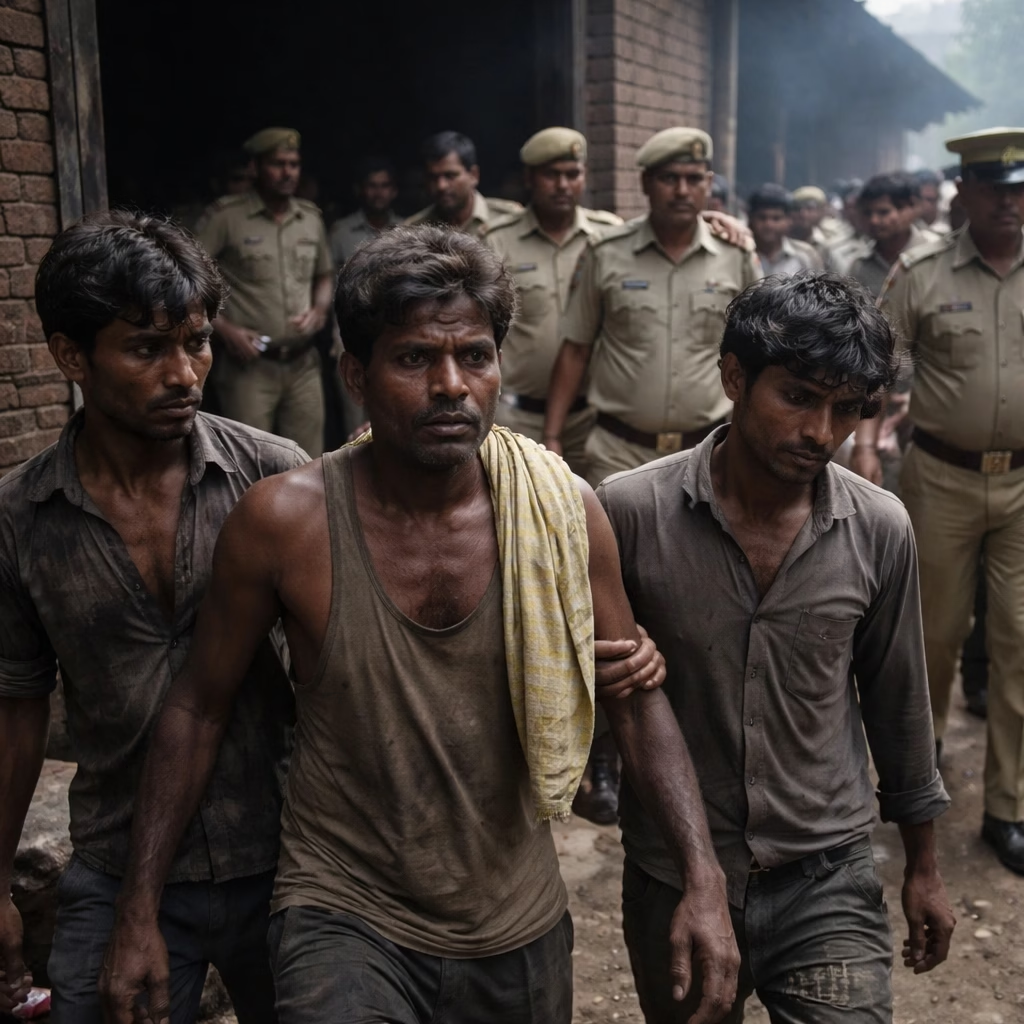
Upon rescue, the men appeared visibly malnourished and traumatized. They recounted stories of physical intimidation and constant surveillance. Preliminary investigations revealed that the victims had been lured with promises of good wages and regular employment but were subsequently coerced into debt bondage. Their identity documents had been confiscated, further limiting their ability to escape or seek help. The police have registered a First Information Report (FIR) under relevant sections of the Indian Penal Code (IPC) and the Bonded Labour System (Abolition) Act, 1976. Two individuals, identified as the farm owner and a local labor contractor, have been apprehended in connection with the case. Further interrogations are underway to uncover the full extent of the network involved in this exploitative system. The district administration has initiated the process of issuing release certificates to the rescued laborers, a crucial step for their official recognition as freed bonded laborers and access to rehabilitation benefits.
Impact: Beyond the Immediate Release
The rescue of these six men in Muzaffarnagar carries implications far beyond their immediate liberation. It underscores the deep-seated nature of bonded labor in India and the profound impact it has on individuals, families, and the broader societal fabric. The incident serves as a stark reminder of the human cost of economic exploitation and the urgent need for sustained intervention.
More Read

Trauma and Rehabilitation Challenges
For the rescued individuals, the journey to full recovery is long and arduous. Years, or even months, of forced labor, malnutrition, and psychological abuse leave deep scars. They often suffer from various health issues, including chronic illnesses, mental health disorders like PTSD, and severe trauma. Immediate needs include medical attention, nutritious food, and safe shelter. However, long-term rehabilitation must encompass psychological counseling, vocational training to equip them with employable skills, and financial assistance to help them rebuild their lives with dignity. Reintegration into society, especially for those who have been isolated for extended periods, also presents significant challenges, requiring sustained support and community acceptance.
Societal and Economic Repercussions
The incident casts a shadow on the region, highlighting vulnerabilities within the local economy and enforcement mechanisms. It prompts uncomfortable questions about how such systems continue to operate undetected for extended periods. Economically, bonded labor distorts labor markets, suppresses wages, and prevents fair competition. Societally, it perpetuates inequality, entrenches poverty, and undermines human rights. The Muzaffarnagar rescue, by drawing national attention, forces a re-evaluation of current strategies and the effectiveness of local governance in tackling this issue. It also serves as a potent message to other potential perpetrators that such crimes will not go unpunished, potentially deterring future exploitation.
What Next: Path to Justice and Prevention
The aftermath of the Muzaffarnagar rescue will involve a multi-pronged approach, focusing on ensuring justice for the victims, prosecuting the perpetrators, and implementing measures to prevent future occurrences. The district administration, state government, and various non-governmental organizations will play crucial roles in this ongoing effort.
Rehabilitation and Support for Survivors
Immediately following their release, the rescued laborers will be provided with temporary shelter, food, and essential medical care. The district administration is responsible for issuing "release certificates," which officially recognize them as freed bonded laborers. This certificate is vital for accessing the rehabilitation package provided under the Central Sector Scheme for Rehabilitation of Bonded Labourers, 2016. This scheme offers financial assistance, typically around INR 1-3 lakhs, depending on the severity of exploitation, along with provisions for housing, land, education for children, and vocational training. NGOs and local social welfare departments will work to facilitate their reintegration into their native communities, ensuring they have sustainable livelihoods and are not re-trafficked.
Legal Proceedings and Accountability
The legal process against the arrested individuals – the farm owner and the labor contractor – will proceed with urgency. Prosecutors will aim to build a strong case based on witness testimonies from the rescued laborers, forensic evidence, and corroborating statements. Convictions under the Bonded Labour System (Abolition) Act carry significant penalties, including imprisonment and fines. A successful prosecution in this high-profile case would send a clear message about the government's commitment to eradicating bonded labor and ensuring accountability for those who perpetrate such crimes. The legal battle may also involve civil suits for compensation for the victims, further holding the exploiters responsible.
More Read

Strengthening Enforcement and Awareness
Beyond this specific case, the Muzaffarnagar incident necessitates a broader review of anti-bonded labor mechanisms. This includes strengthening vigilance committees at the district and sub-divisional levels, improving coordination between police, labor departments, and district administrations, and conducting regular inspections of vulnerable sectors like brick kilns and agricultural farms. Public awareness campaigns are crucial to inform potential victims of their rights and the available support systems, as well as to educate communities about the illegality and inhumanity of bonded labor. Empowering local communities and increasing the capacity of NGOs to identify and report cases will be vital in the long-term fight against this deeply entrenched form of exploitation.