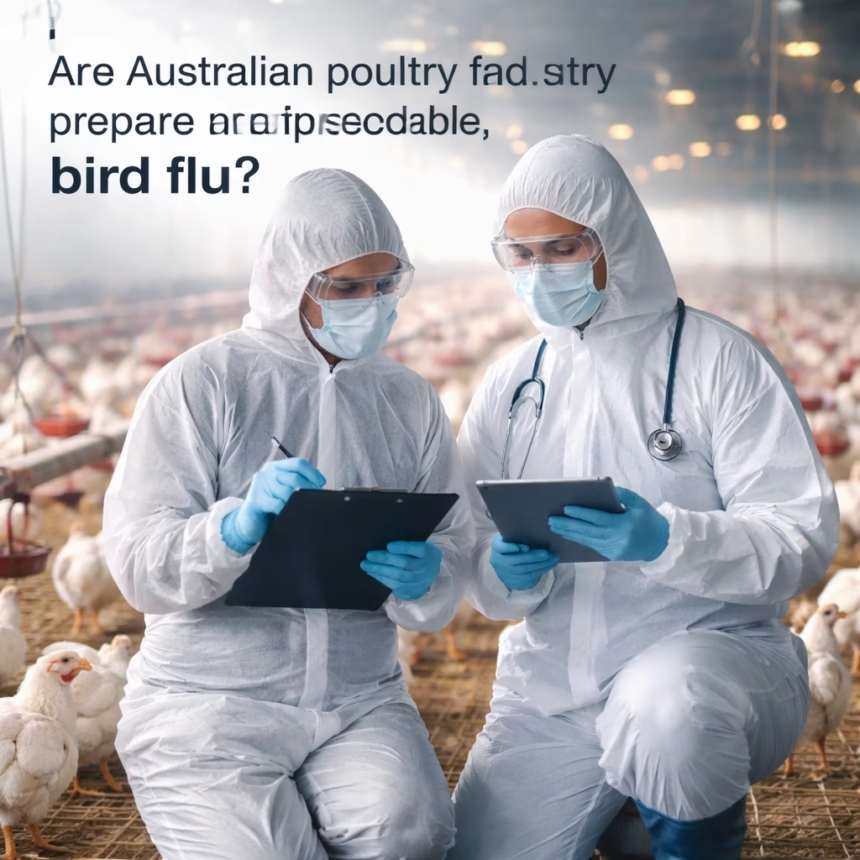
Australia's multi-billion dollar poultry industry is undertaking extensive preparations to fortify its defenses against a potential outbreak of highly pathogenic avian influenza (HPAI), commonly known as bird flu. Across the nation, producers, industry bodies, and government agencies are implementing enhanced biosecurity measures and refining emergency response plans amid growing global concerns over the H5N1 strain. This proactive stance is critical as migratory bird seasons approach and the virus continues its relentless spread across continents.
Background: A Looming Global Threat
Avian influenza, particularly the H5N1 strain, has caused unprecedented devastation to poultry populations and wild birds globally in recent years. Originating in Asia, the virus has spread rapidly across Europe, North America, South America, and parts of Africa, leading to the culling of hundreds of millions of birds and significant economic losses. While Australia remains officially free of the H5N1 strain, its proximity to affected regions and reliance on migratory bird pathways elevates the risk.
Australia has experienced previous avian influenza outbreaks, albeit with different strains and all successfully contained. Notable incidents include outbreaks in Victoria in 2020 and New South Wales in 2021, which were swiftly managed through stamping out policies and movement restrictions. These past events serve as stark reminders of the virus's potential to disrupt the industry and underscore the importance of rapid, coordinated responses. The current global H5N1 situation, however, presents a more persistent and widespread threat, necessitating an even higher level of preparedness.
The Australian poultry industry contributes significantly to the national economy, valued at over $3 billion annually. It employs tens of thousands of people directly and indirectly, supplying fresh chicken meat and eggs to millions of households. Protecting this vital sector is a national priority, driving the comprehensive preparedness strategies now being implemented.
Key Developments: Fortifying Defenses
The Australian poultry industry, in close collaboration with federal and state governments, has significantly ramped up its preparedness efforts. These initiatives span enhanced biosecurity, advanced surveillance, and robust emergency planning.
Enhanced On-Farm Biosecurity
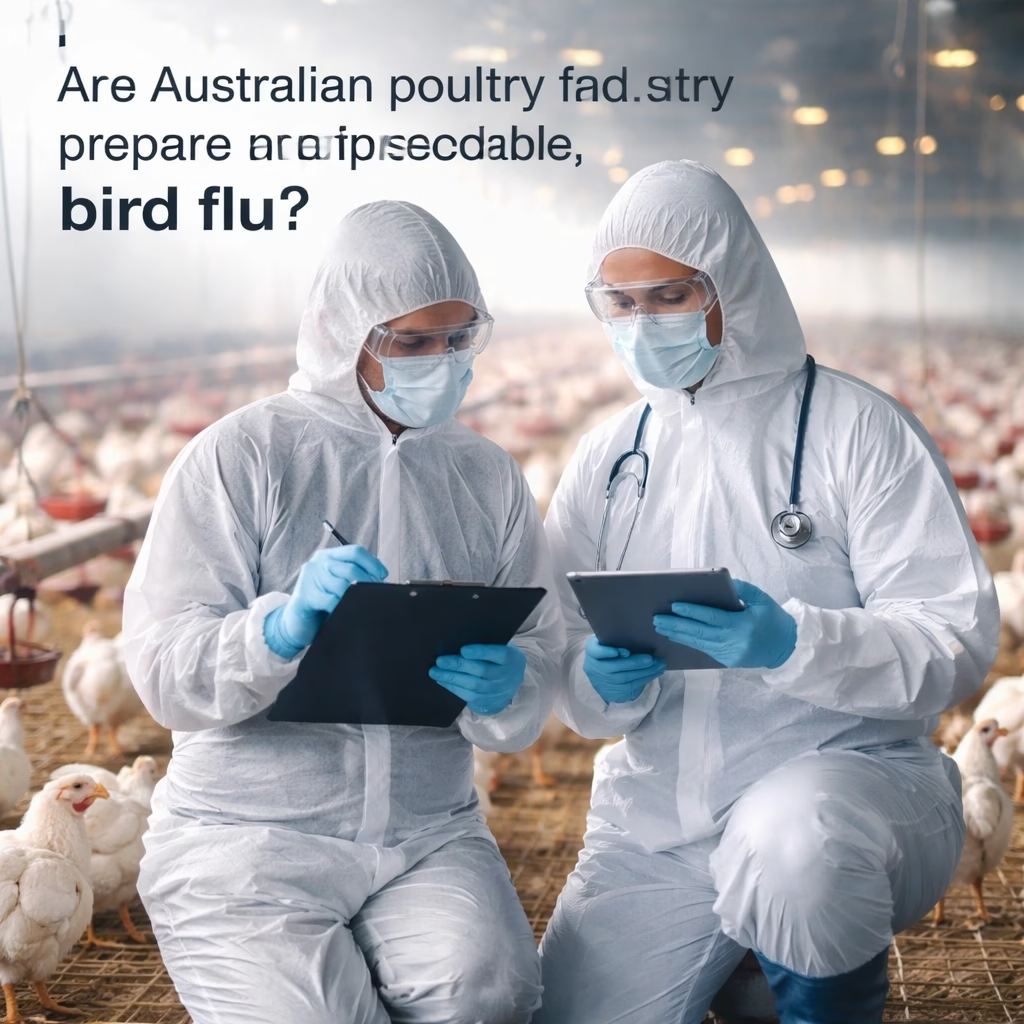
Poultry farms across Australia are implementing stricter biosecurity protocols. These measures include:
Access Control: Restricting entry to essential personnel only, with mandatory sign-in and sign-out procedures.
Hygiene Zones: Establishing clearly defined "clean" and "dirty" zones, requiring changes of clothing and footwear disinfection before entering bird sheds.
Vehicle Disinfection: Implementing rigorous wash-down and disinfection protocols for all vehicles entering and leaving farm premises.
Pest Management: Intensified efforts to control rodents and wild birds, which can act as mechanical vectors for the virus.
Enclosure Upgrades: For free-range operations, investment in netting and overhead covers to minimize contact between domestic flocks and wild birds.
The Australian Chicken Meat Federation (ACMF) has actively promoted these best practices, providing updated guidelines and resources to its members.
More Read

Advanced Surveillance and Diagnostics
Early detection is paramount to containing any potential outbreak. Australia's surveillance capabilities have been strengthened through:
Wild Bird Monitoring: Increased surveillance of migratory bird populations, particularly along known flyways, in collaboration with wildlife agencies and researchers like CSIRO. Samples are collected and tested for avian influenza viruses.
Sentinel Flocks: Regular testing of commercial and backyard poultry flocks in high-risk areas to detect any early signs of viral presence.
Rapid Diagnostic Tools: Investment in advanced laboratory equipment and training for veterinary staff to ensure quick and accurate diagnosis of avian influenza strains.
Reporting Protocols: Encouraging farmers and backyard poultry owners to immediately report any unusual bird deaths or signs of illness to state veterinary authorities.
Animal Health Australia (AHA) plays a crucial role in coordinating national surveillance programs and disseminating information.
Refined Emergency Response Plans
National and state-level emergency response plans are undergoing rigorous review and updates. These plans detail:
Stamping Out Procedures: Protocols for the rapid humane culling of infected and at-risk flocks to prevent further spread.
Movement Restrictions: Establishing control zones and implementing strict movement restrictions for poultry, products, and equipment around affected premises.
Carcass Disposal: Environmentally sound and biosecure methods for the disposal of culled birds.
Industry-Government Drills: Regular simulation exercises are conducted to test the efficacy of these plans and ensure seamless coordination between industry, state agriculture departments, and federal agencies like the Department of Agriculture, Fisheries and Forestry (DAFF).
These exercises help identify potential bottlenecks and refine communication channels, ensuring a swift and decisive response should an outbreak occur.
More Read

Impact: A Multi-faceted Challenge
A significant avian influenza outbreak would have far-reaching consequences across multiple sectors.
Economic Ramifications
The economic impact would be substantial. Mass culling would lead to direct losses for producers, while trade restrictions on Australian poultry products could affect export markets. Supply chain disruptions could result in shortages and price increases for consumers, impacting the broader food industry. Allied industries, such as feed suppliers, transport companies, and processing plants, would also face significant downturns.
Animal Welfare Considerations
While culling is a necessary measure to control the disease, it raises significant animal welfare concerns. Industry and government protocols emphasize humane euthanasia methods and careful handling to minimize distress to birds during an outbreak.
Public Health and Consumer Confidence
While the risk of H5N1 transmission to humans is generally considered low, particularly from properly cooked poultry products, public health authorities remain vigilant. Surveillance of farm workers and those in contact with infected birds would be heightened. An outbreak could also erode consumer confidence in poultry products, even if the risk to human health is minimal, leading to a temporary shift in dietary habits.
What Next: Sustained Vigilance and Innovation
The Australian poultry industry's preparedness is an ongoing process, requiring continuous adaptation and investment.
Continuous Monitoring and Research
Vigilance will remain paramount, particularly during peak migratory bird seasons. Investment in research and development will continue, focusing on improved diagnostic tools, understanding viral evolution, and exploring potential vaccine technologies. While Australia's current policy favors stamping out, discussions around vaccine stockpiling for emergency use or as a supplementary control measure in specific scenarios are part of broader contingency planning.
Education and Awareness
Ongoing public awareness campaigns are crucial. These initiatives target commercial farmers, backyard poultry owners, and the general public, emphasizing the importance of biosecurity practices, early reporting of sick birds, and understanding the risks associated with avian influenza.
International Collaboration
Australia will continue to engage with international partners, sharing intelligence on global outbreaks, participating in research collaborations, and contributing to global strategies for avian influenza control. This international cooperation is vital for understanding the evolving threat and refining national response strategies.
The Australian poultry industry is not passively waiting for an outbreak. It is actively strengthening its defenses, learning from global experiences, and building resilience to protect its flocks, its people, and its vital contribution to the nation's food security.