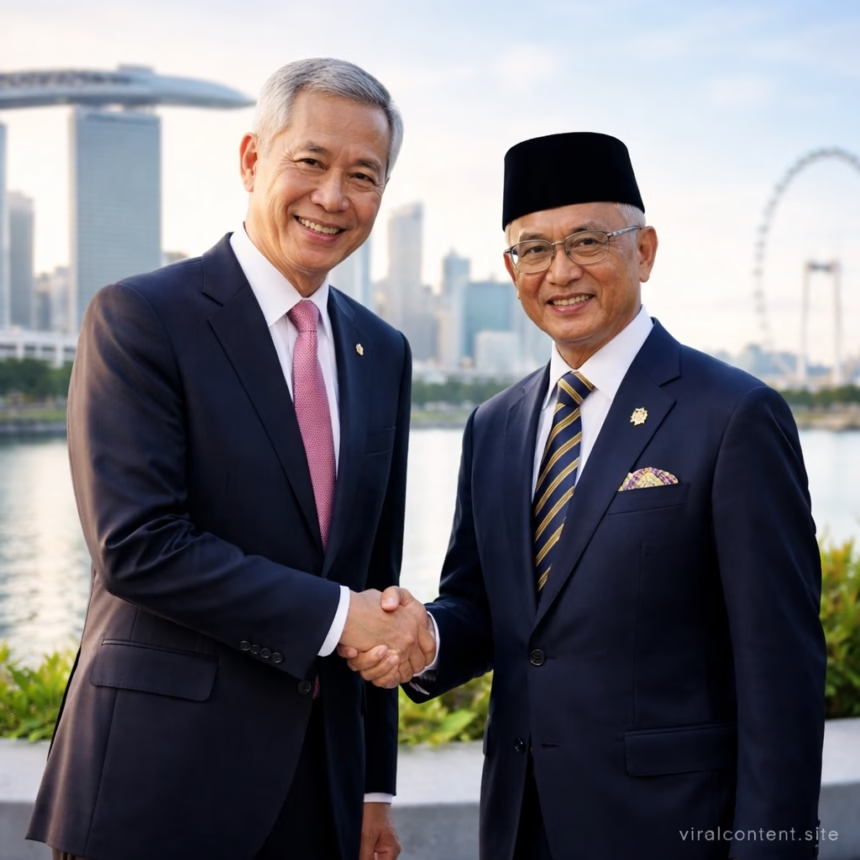
In a significant diplomatic pronouncement, Malaysia's King Sultan Ibrahim Ibni Almarhum Sultan Iskandar declared Singapore to be more than just a neighbour, elevating its status to a "strategic partner." This pivotal statement was made during His Majesty's inaugural state visit to the island nation in early May 2024, signaling a new chapter in the bilateral relationship between the two Southeast Asian economies.
The King's remarks, delivered during a state banquet, underscore a deliberate intent to deepen cooperation across various sectors, moving beyond traditional neighbourly interactions to a more integrated and mutually beneficial partnership.
Background: A Shared Past, A Complex Relationship
The relationship between Malaysia and Singapore is deeply rooted in a shared history, having once been part of the same federation before Singapore's separation in 1965. This historical bond has fostered a unique and often complex dynamic, characterized by both close cooperation and occasional points of contention.
Historical Foundations and Separation
For centuries, the territories that now constitute Malaysia and Singapore shared common cultural, economic, and political trajectories. Singapore was a key part of the British Straits Settlements, and later briefly a state within Malaysia from 1963 to 1965. Its eventual departure was a watershed moment, leading to the independent development of both nations. Despite the political separation, strong people-to-people ties, family connections, and cultural affinities have persisted.
Economic Interdependence
Economically, the two nations are inextricably linked. Malaysia is Singapore’s closest neighbour and one of its largest trading partners, while Singapore is a major investor in Malaysia. Bilateral trade consistently reaches tens of billions of dollars annually, encompassing a wide range of goods and services. Cross-border investments are robust, with Malaysian companies investing heavily in Singapore and vice-versa. The daily flow of commuters across the Johor-Singapore Causeway highlights the deeply integrated labour markets and economic activities.

Areas of Cooperation and Past Challenges
Over the decades, cooperation has spanned critical areas such as water supply, security, defence, and tourism. Joint projects and regular high-level meetings, including the annual Leaders’ Retreat, have been instrumental in managing the relationship. However, the ties have not been without their challenges. Historical disputes over water prices, territorial claims like Pedra Branca, and railway land have occasionally strained relations. Yet, both nations have consistently demonstrated a commitment to resolving these issues through dialogue and established international mechanisms, recognizing the imperative of a stable and amicable relationship for regional prosperity.
Key Developments: A New Diplomatic Emphasis
King Sultan Ibrahim's state visit, his first since ascending the Malaysian throne in January 2024, marked a significant diplomatic milestone. His declaration of Singapore as a "strategic partner" signifies a deliberate and high-level shift in rhetoric, moving beyond the conventional framing of a mere neighbour.
Royal Endorsement of Deeper Ties
During his three-day visit from May 6 to 8, 2024, His Majesty engaged in high-level discussions with Singaporean President Tharman Shanmugaratnam and Prime Minister Lawrence Wong. The King’s statement at the state banquet was a clear endorsement of enhancing collaboration across various fronts. It reflects a mutual desire to capitalize on existing strengths and explore new avenues for growth, particularly in emerging sectors.
More Read

Focus on Joint Infrastructure and Economic Zones
A central theme of the discussions was the acceleration of key bilateral projects designed to foster greater connectivity and economic integration. Prominent among these is the Johor Bahru-Singapore Rapid Transit System Link (RTS Link), a cross-border rail project aimed at easing congestion on the Causeway. The RTS Link, projected to be completed by end-2026, is expected to significantly improve commuter flow and facilitate business travel.
Another crucial initiative is the establishment of the Johor-Singapore Special Economic Zone (JS-SEZ). This ambitious project aims to attract investments, create jobs, and stimulate economic growth in the Malaysian state of Johor and Singapore, leveraging their complementary strengths in manufacturing, services, and logistics. The King's visit provided an impetus for both sides to push forward with the implementation of the JS-SEZ, signaling a strong political will to realize its potential.
Beyond Traditional Sectors
The strategic partnership extends beyond traditional trade and infrastructure. Discussions during the visit also touched upon cooperation in newer domains such as the digital economy, green economy initiatives, and food security. Both nations recognize the importance of collaborating on these forward-looking sectors to ensure sustainable development and resilience in a rapidly changing global landscape. This expanded scope of cooperation reflects a modern approach to bilateral relations, addressing contemporary challenges and opportunities.
Impact: Far-Reaching Implications
The elevation of Singapore's status to a "strategic partner" by the Malaysian King carries significant implications, impacting various facets of the relationship, from economics and security to regional stability and people-to-people connections.
Economic Ramifications
The most immediate impact is expected to be felt in the economic sphere. The King’s statement provides a powerful endorsement for investors and businesses, signaling stability and a strong political commitment to cross-border ventures. The Johor-Singapore Special Economic Zone (JS-SEZ) is poised to become a magnet for foreign direct investment, creating new industrial clusters, technological hubs, and employment opportunities. Enhanced connectivity through projects like the RTS Link will streamline logistics, reduce operational costs for businesses, and boost tourism between the two countries. This could lead to a more integrated regional supply chain and a stronger combined economic bloc.
Diplomatic and Political Shift
Diplomatically, the declaration elevates the tone and substance of bilateral engagements. It suggests a more proactive and coordinated approach to shared challenges and opportunities. This strengthened political will could facilitate quicker resolution of outstanding issues and foster a greater sense of trust and cooperation at all levels of government. It also sets a precedent for how leaders view and articulate their bilateral relationships, emphasizing mutual benefit and long-term strategic alignment.
More Read

Enhanced Security and Regional Stability
A robust strategic partnership between Malaysia and Singapore also holds significant weight for regional security. Both nations are key members of ASEAN and play crucial roles in maintaining peace and stability in Southeast Asia. Closer cooperation in defence, maritime security, and counter-terrorism efforts will enhance collective resilience against common threats. This unified front can contribute to a more secure and predictable environment for trade and investment across the wider region.
People-to-People Connections
Beyond the high-level politics and economics, the strategic partnership is expected to foster stronger people-to-people connections. Improved infrastructure, easier travel, and increased economic opportunities will encourage greater cultural exchange, tourism, and talent mobility. For the millions who commute daily or have family ties across the Causeway, this enhanced relationship translates into tangible benefits and a more seamless experience.
What Next: Charting the Path Forward
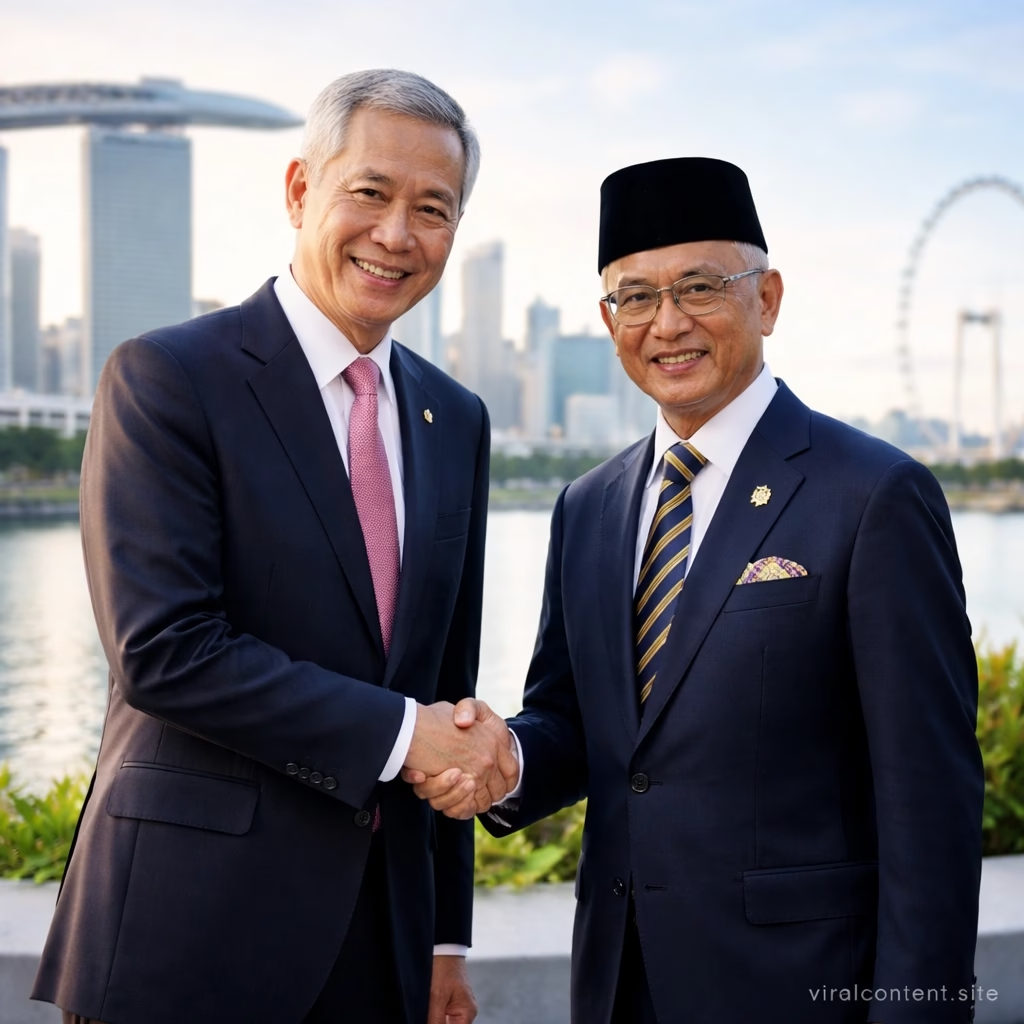
The declaration of Singapore as a strategic partner sets the stage for a series of anticipated developments and milestones, as both nations work towards translating rhetoric into concrete action.
Implementation of Key Initiatives
A primary focus will be the expedited implementation of the Johor-Singapore Special Economic Zone (JS-SEZ). This will involve finalizing regulatory frameworks, attracting anchor investments, and developing necessary infrastructure to support its growth. Similarly, the Johor Bahru-Singapore Rapid Transit System Link (RTS Link) remains a critical project, with both sides committed to its completion by the targeted end-2026 deadline. Regular progress reviews and joint committees will be essential to ensure these projects stay on track.
Regular High-Level Engagements
The King’s visit is expected to pave the way for more frequent and substantive high-level engagements between leaders and ministers from both countries. These dialogues will be crucial for reviewing progress, identifying new areas of cooperation, and addressing any emerging challenges collaboratively. The annual Leaders’ Retreat will likely gain renewed significance as a platform for strategic discussions and setting future agendas.
Exploring New Frontiers of Cooperation
Beyond existing projects, the strategic partnership will likely see both nations exploring new frontiers. This could include joint initiatives in renewable energy, carbon capture technologies, and sustainable urban development, aligning with global climate goals. Cooperation in digital innovation, cybersecurity, and talent development in future-proof industries are also likely to be high on the agenda. The aim is to create a resilient and future-ready partnership that can navigate global uncertainties.
Long-Term Vision for Integrated Growth
Ultimately, the strategic partnership seeks to foster a long-term vision of integrated growth and prosperity for both Malaysia and Singapore. By leveraging their geographical proximity, complementary economies, and shared commitment to regional stability, they aim to create a powerful economic bloc that can attract global attention and drive innovation. This collaboration is not just about mutual benefit but also about contributing to the broader development and stability of the ASEAN region.