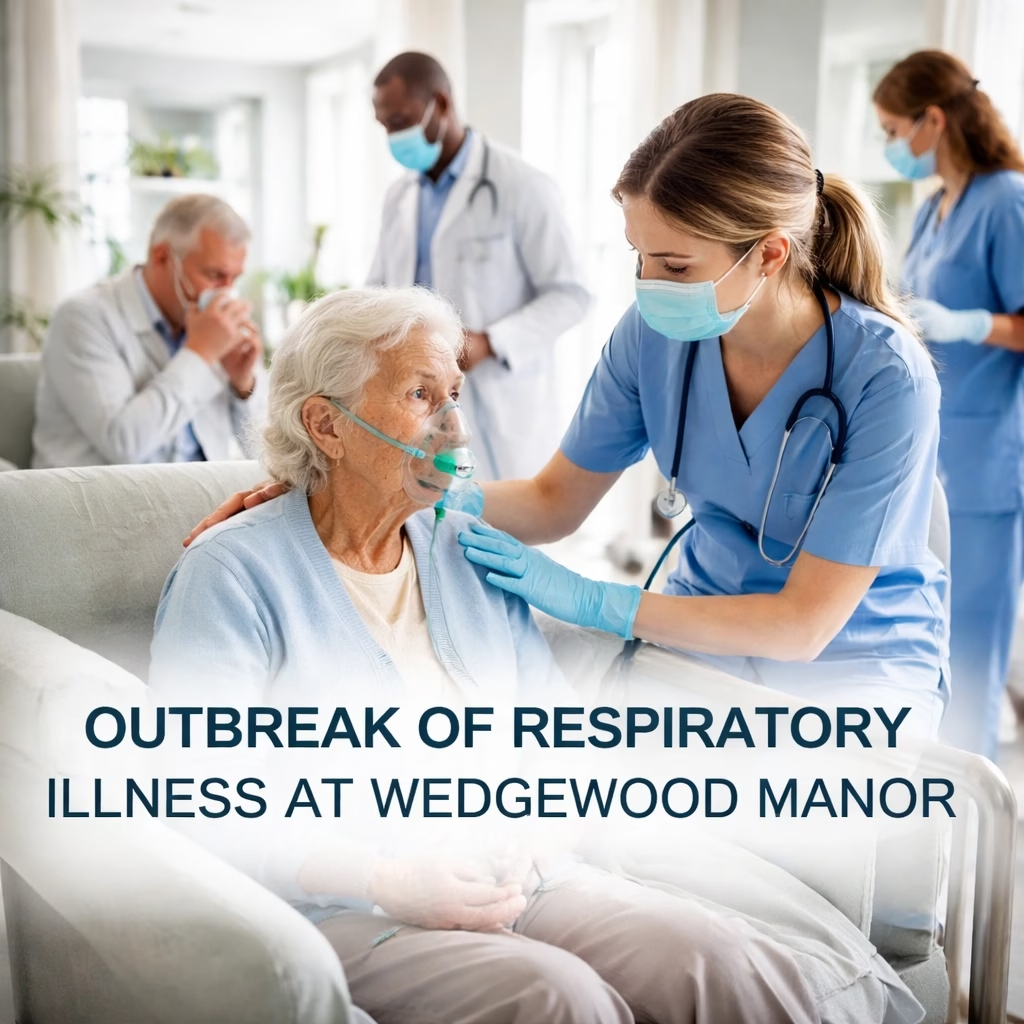
A significant outbreak of an acute respiratory illness has gripped Wedgewood Manor, a long-term care facility located in the heart of Maplewood, since early November. Health authorities are actively monitoring the situation as the number of affected individuals continues to rise, prompting stringent public health measures. The facility is working closely with the Maplewood Public Health Unit to contain the spread and protect its vulnerable residents.
Background: The Onset and Initial Response
The first indications of a developing health crisis at Wedgewood Manor emerged on November 3, when three residents in the facility's tranquil Willow Wing independently reported symptoms consistent with a respiratory infection, including persistent coughs, fatigue, and low-grade fevers. These initial cases were promptly isolated, and their families were notified.
Early Detection and Protocol Activation
By November 5, the number of symptomatic residents had climbed to seven, spanning both the Willow and Oak Wings, signaling a potential wider issue. Wedgewood Manor's administration, led by Director Eleanor Vance, activated its internal outbreak protocol. This immediate response included enhanced personal protective equipment (PPE) for staff, increased frequency of cleaning and disinfection, and a temporary halt to communal dining and group activities.
Public Health Notification and Initial Testing
The Maplewood Public Health Unit was formally notified on November 6. Initial rapid antigen tests and PCR screenings were conducted on all symptomatic residents and staff. While some initial tests returned negative for common pathogens like Influenza A/B and RSV, the clinical presentation strongly suggested a viral respiratory agent was at play. This led to a broader testing strategy across all residents and staff, regardless of symptoms.
Visitor Restrictions Implemented
As a precautionary measure, and in consultation with public health officials, Wedgewood Manor implemented a full visitor restriction policy on November 7. This decision, though difficult for residents and their families, was deemed necessary to mitigate external transmission risks. Essential care partners were permitted entry under strict screening and PPE protocols.
More Read

Key Developments: Escalation and Identification
The outbreak continued to evolve rapidly in the subsequent days, presenting significant challenges for the facility and health officials. The initial unknown pathogen was later identified, shaping the ongoing response.
Case Count Surge and Pathogen Identification
By November 10, the total number of confirmed cases among residents had reached 28, with an additional 12 staff members also testing positive and entering isolation. The affected individuals were primarily concentrated in the Willow and Oak Wings, but isolated cases began to appear in the Maple Wing. Subsequent lab results, processed by the regional public health laboratory, confirmed the primary pathogen as a virulent strain of Influenza A (H3N2), resistant to some standard antiviral treatments.
Hospitalizations and Recoveries
As of November 15, five residents required hospitalization due to severe respiratory distress, with two individuals transferred to the intensive care unit at Maplewood General Hospital. Their conditions remain critical but stable. Encouragingly, 15 residents and 8 staff members have completed their isolation periods and are showing signs of recovery, with no lingering symptoms reported.
More Read

Enhanced Medical Intervention
In response to the identified Influenza A strain, Wedgewood Manor, under the guidance of Dr. Marcus Thorne, the facility's medical director, initiated a targeted antiviral treatment protocol for all residents who tested positive, and prophylactic treatment for close contacts. The facility also bolstered its oxygen therapy capabilities and increased direct nursing supervision for residents exhibiting more severe symptoms.
Staffing Adjustments and Support
The significant number of staff in isolation has placed considerable strain on the remaining team. Wedgewood Manor has activated its contingency staffing plan, bringing in agency nurses and care aides to ensure continuous, high-quality care. Support services, including stress management resources, have been made available to all staff members working tirelessly during this challenging period.
Impact: A Community Under Strain
The outbreak has had far-reaching consequences, affecting residents, staff, families, and the wider community connected to Wedgewood Manor. The human element of the crisis remains at the forefront of the facility's and public health unit's concerns.
Impact on Residents
The physical toll of the illness on elderly residents, many with underlying health conditions, has been substantial. Beyond the direct symptoms, the isolation measures have led to increased feelings of loneliness and anxiety. Daily routines, including meal times and therapeutic activities, have been significantly altered, impacting overall well-being. Dedicated staff are making extra efforts to provide one-on-one engagement and support, utilizing technology for virtual family visits.
Challenges for Staff
Wedgewood Manor's dedicated staff are working under immense pressure. The increased workload, coupled with the emotional burden of caring for critically ill residents and the personal risk of infection, has created a demanding environment. Despite these challenges, staff morale remains resilient, driven by a profound commitment to their residents. The facility has initiated daily debriefing sessions to address concerns and provide peer support.
Family Concerns and Communication
Families of Wedgewood Manor residents have expressed understandable anxiety regarding the health and safety of their loved ones. The visitor restrictions, while necessary, have added to their distress. The facility has established a dedicated communication hotline and is providing daily updates via email and phone calls to keep families informed about the outbreak's status, individual resident conditions, and the measures being taken. Virtual visits have been facilitated where possible, allowing families to maintain contact.

Community Repercussions
The outbreak has prompted the Maplewood Public Health Unit to issue advisories to other long-term care facilities in the region, urging heightened vigilance and review of their own infection control protocols. While there is no evidence of widespread community transmission linked directly to Wedgewood Manor, the incident serves as a stark reminder of the vulnerability of congregate living settings to respiratory illnesses. Local pharmacies and medical suppliers have also seen increased demand for antivirals and PPE.
What Next: Path to Recovery and Future Preparedness
Wedgewood Manor and the Maplewood Public Health Unit are working collaboratively on a comprehensive plan to manage the current outbreak, support recovery, and strengthen future preparedness. The focus remains on containing the current spread while planning for a return to normalcy.
Ongoing Surveillance and Containment
Daily health monitoring of all residents and staff will continue indefinitely, with a particular emphasis on symptom surveillance and rapid testing for any new cases. The facility maintains strict cohorting of residents based on their infection status, ensuring that positive, negative, and recovered individuals are housed and cared for in separate zones to prevent cross-contamination. Enhanced environmental cleaning protocols will remain in effect for the foreseeable future.
Gradual Easing of Restrictions
Visitor restrictions will only be lifted once the outbreak is officially declared over by the Maplewood Public Health Unit. This declaration typically requires a minimum of 14 days without any new confirmed cases since the last case's symptom onset or resolution. Once lifted, a phased reintroduction of visitors, potentially with scheduled appointments and continued screening, will be implemented to ensure a cautious return to regular interactions.
Post-Outbreak Review and Lessons Learned
Following the resolution of the outbreak, Wedgewood Manor plans to conduct a comprehensive review of its response protocols, in collaboration with public health experts. This will include an assessment of communication strategies, staffing contingency plans, infection control measures, and resident support services. The goal is to identify areas for improvement and implement any necessary changes to bolster the facility's resilience against future health challenges.
Supporting Recovery and Well-being
For residents who have recovered from the illness, the focus will shift to rehabilitation and restoring their physical and emotional well-being. This includes individualized activity programs, nutritional support, and access to counseling services. The facility aims to gradually reintroduce communal activities, promoting social interaction and a return to a vibrant community life, once it is safe to do so. The health and safety of every individual at Wedgewood Manor remains the paramount priority.