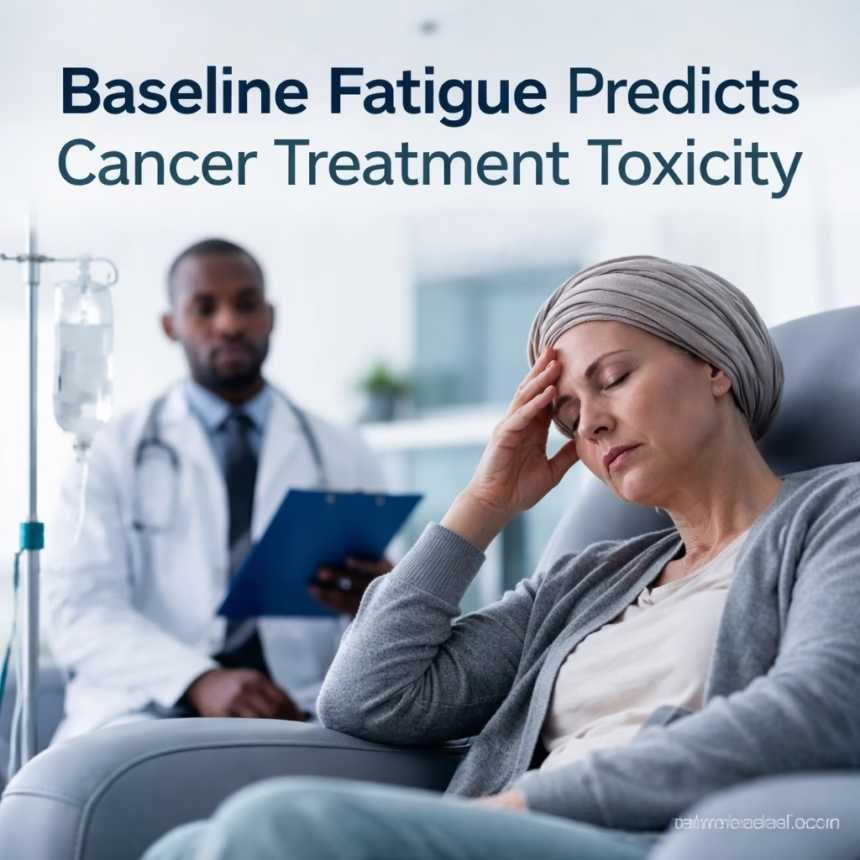
Early Weariness: A Warning Sign for Cancer Patients?
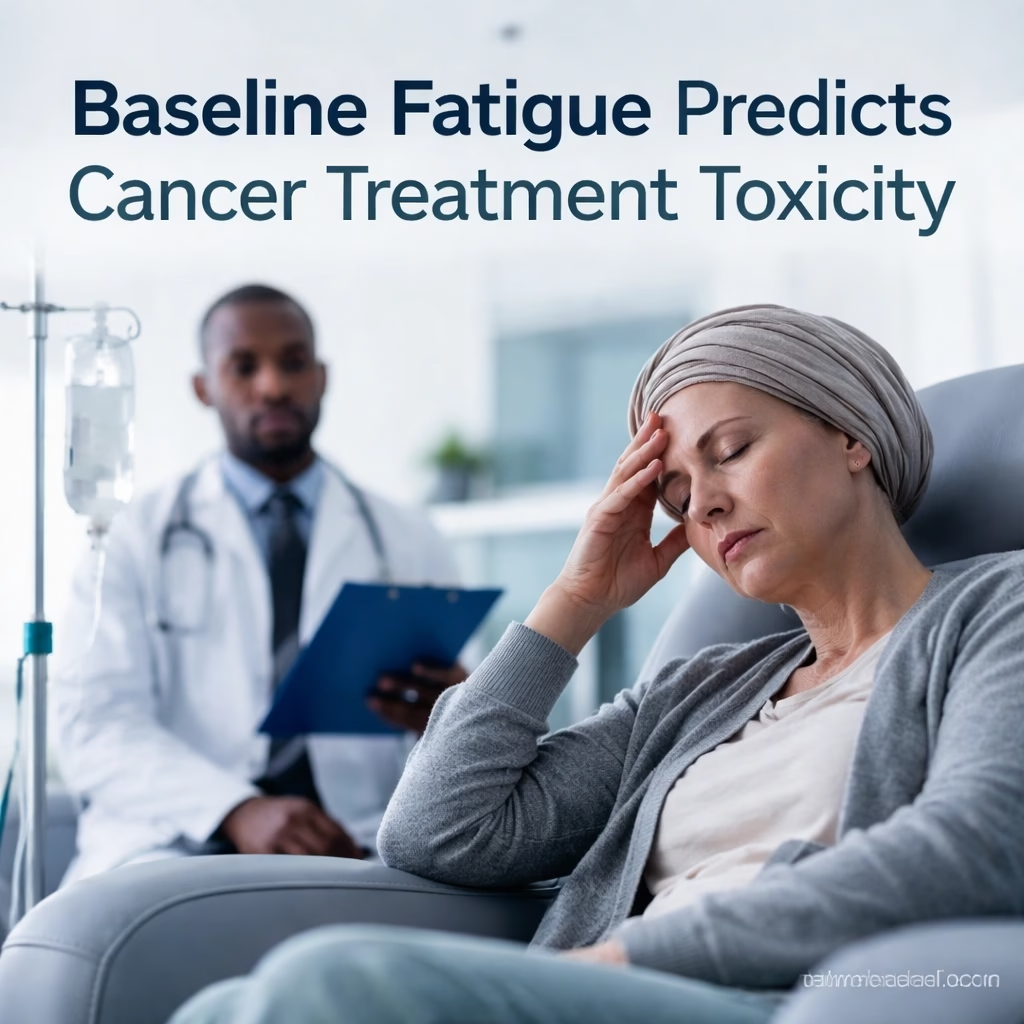
A new study published in the *Journal of Clinical Oncology* in October 2023 suggests that pre-existing fatigue levels in cancer patients are a significant predictor of severe treatment side effects. Researchers at the MD Anderson Cancer Center in Houston, Texas, found a strong correlation between baseline fatigue and the likelihood of experiencing debilitating toxicities during chemotherapy.
Background
Cancer treatment, particularly chemotherapy and radiation, often comes with a range of side effects, including nausea, hair loss, and weakened immune systems. Managing these toxicities is crucial for improving patients' quality of life and ensuring successful treatment outcomes. For decades, clinicians have relied on factors like age, overall health, and the specific type of cancer to assess treatment risk. However, the role of fatigue – often dismissed as a common symptom – has received increasing attention in recent years.
Previous research hinted at a connection between fatigue and treatment response, but the precise relationship and predictive power remained unclear. The complexity of fatigue, encompassing physical, emotional, and cognitive dimensions, posed a challenge to researchers. Standard fatigue assessments often relied on self-reported questionnaires, which can be subjective and influenced by various factors.
More Read

Key Developments
The recent study, conducted over a five-year period (2018-2023), involved over 500 patients undergoing various cancer treatments at MD Anderson. Researchers employed a multi-faceted approach, combining standardized fatigue scales (such as the Functional Assessment of Cancer Therapy-Fatigue, or FACT-F) with detailed analysis of treatment-related toxicities documented in patient medical records. Crucially, they also incorporated biomarkers – measurable indicators of biological processes – to gain a deeper understanding of the underlying mechanisms linking fatigue and toxicity.
The findings revealed that patients reporting higher baseline fatigue scores were significantly more likely to experience severe side effects, including hospitalizations due to neutropenia (low white blood cell count), organ dysfunction, and treatment delays. Specifically, patients with fatigue scores in the highest percentile had a 35% greater risk of experiencing these complications compared to those with lower scores.
Furthermore, analysis of blood samples showed a correlation between baseline fatigue and elevated levels of inflammatory markers, suggesting that chronic inflammation may play a role in both fatigue and treatment-induced toxicity. The study also noted that patients with fatigue often displayed altered levels of neurotransmitters associated with mood and energy regulation.
More Read

Impact
The implications of this research are far-reaching for cancer patients and clinicians alike. Early identification of patients at high risk of treatment toxicity based on baseline fatigue could allow for proactive interventions to mitigate these risks. This might include adjusting treatment regimens, providing supportive care measures (such as nutritional guidance, physical therapy, and psychological counseling), or implementing more frequent monitoring.
For patients, the study offers a valuable reminder to communicate openly with their healthcare team about their fatigue levels. Addressing fatigue early on could potentially improve treatment tolerance, reduce the need for hospitalizations, and enhance overall quality of life during and after cancer therapy.
What Next
Researchers are now focused on developing more sophisticated methods for assessing and managing fatigue in cancer patients. This includes exploring the use of wearable sensors to continuously monitor fatigue levels and developing personalized interventions tailored to individual patient needs. Several clinical trials are planned to test the efficacy of different fatigue management strategies in reducing treatment toxicity.
Future Research Directions
One key area of focus is identifying specific biomarkers that can predict treatment toxicity with greater accuracy. Researchers are also investigating the role of psychological factors, such as anxiety and depression, in contributing to fatigue and influencing treatment outcomes. The goal is to create a comprehensive model that integrates biological, psychological, and social factors to optimize cancer care.
The MD Anderson team anticipates that within the next three to five years, clinical guidelines will be updated to incorporate fatigue assessment as a standard part of cancer treatment planning. This will empower clinicians to make more informed decisions and provide more personalized care to patients facing the challenges of cancer and its treatment.