Paradise Lost? Coastal Getaways Devastated by Extreme Weather
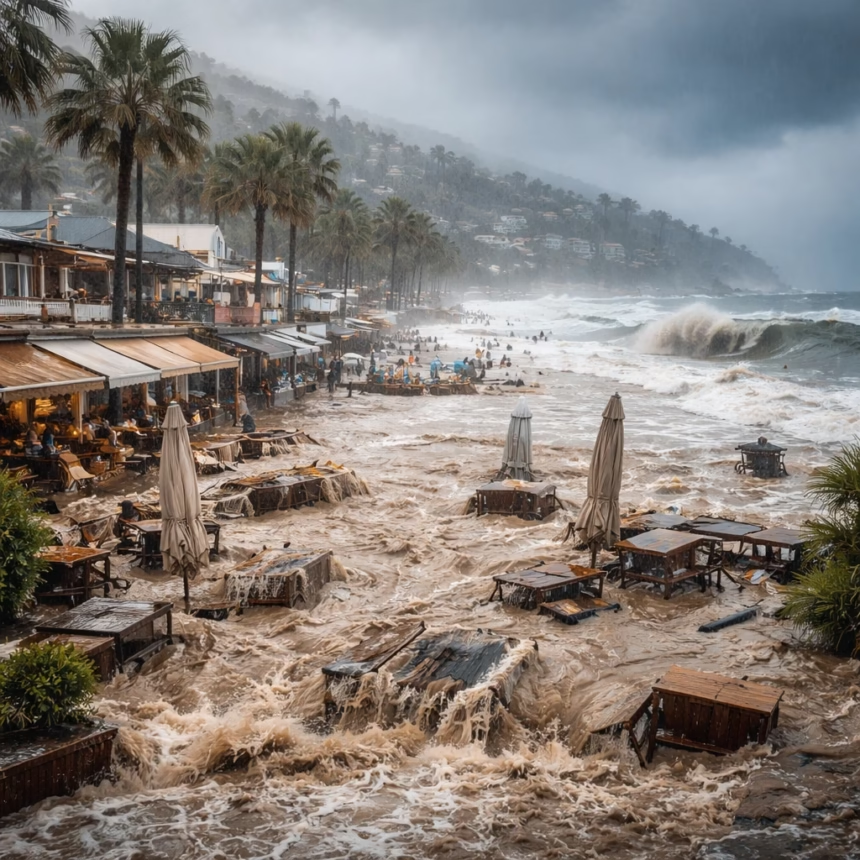
Popular coastal holiday spots across the Mediterranean are reeling from a series of devastating flash floods triggered by an intense deluge beginning on October 26, 2023. Locations in Greece, Spain, and Italy have been particularly hard hit, leaving residents and tourists alike stranded and infrastructure severely damaged.
Background
The region has experienced a period of unusually heavy rainfall over the past week, exceeding historical averages for this time of year. Climate scientists have linked the extreme weather to a combination of factors including a persistent weather system and the increasing intensity of rainfall events associated with climate change. Coastal communities in Greece, known for their tourism-dependent economies, have historically faced risks from storms, but the scale and frequency of recent flooding are unprecedented.
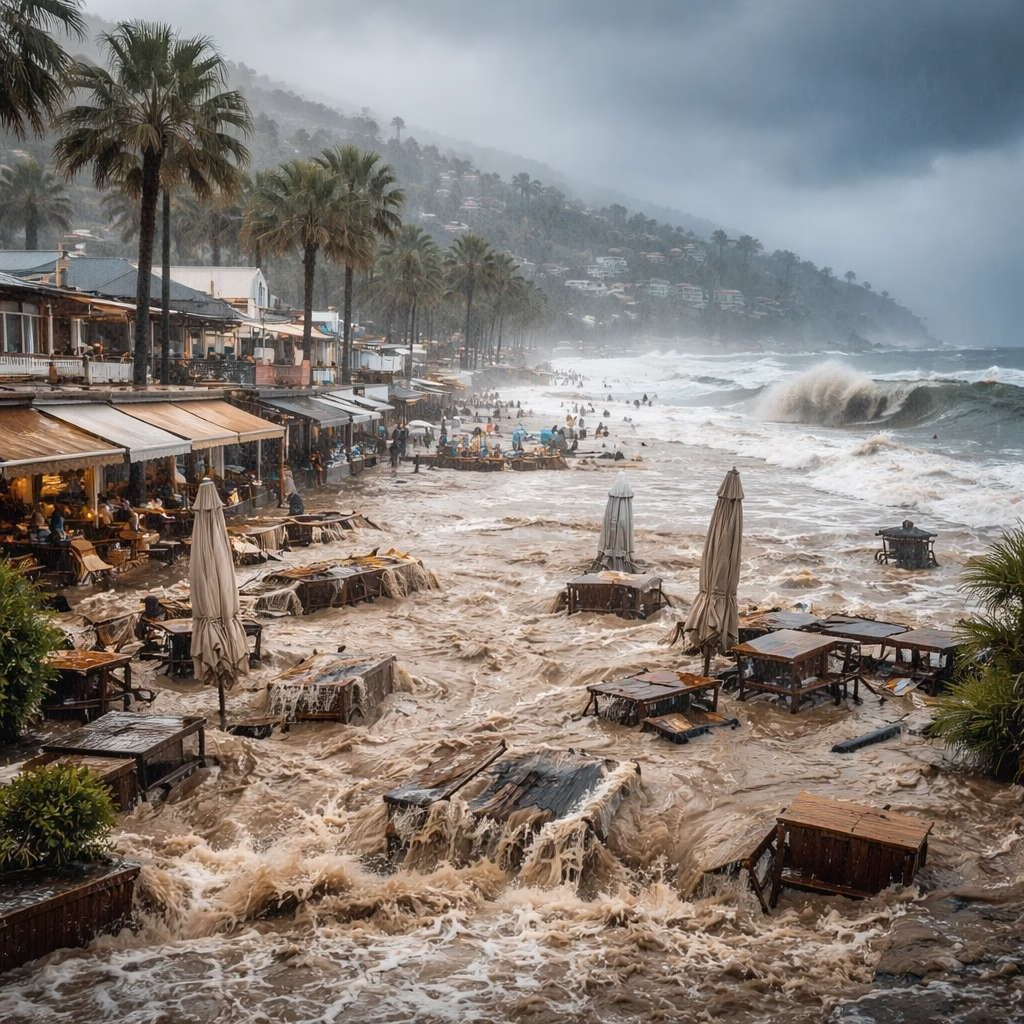
Initial reports began emerging on October 26th, 2023, detailing localized flooding in the Peloponnese region of Greece. The situation rapidly escalated as rainfall intensified, impacting several coastal towns and villages.
More Read

Key Developments
The hardest-hit areas include the Greek islands of Crete and Rhodes, the Spanish Costa Brava, and parts of the Italian Amalfi Coast. Significant infrastructure damage has been reported, including road closures, collapsed bridges, and damage to buildings. Emergency services have been working around the clock to rescue stranded individuals and provide assistance to those affected.
On October 28th, 2023, the Greek government declared a state of emergency in several regions, authorizing the deployment of the military to assist with rescue and relief efforts. Several flights to and from affected airports have been canceled or delayed due to hazardous conditions.
Spain’s Guardia Civil reported widespread flooding in coastal towns along the Costa Brava, with water levels reaching several meters in some areas. The coastal road connecting several popular resorts has been rendered impassable.
More Read

Impact
The flooding has had a profound impact on local communities, disrupting daily life and causing significant economic damage. Tourism, a vital industry for many of these regions, has been severely affected. Hotels and restaurants have been forced to close, and many tourists have been evacuated.
Thousands of residents have been displaced from their homes, seeking shelter in schools and community centers. Reports indicate widespread damage to businesses, including shops, restaurants, and small hotels. Agricultural land has also suffered significant damage, with crops and livestock lost to the floods.
As of October 30th, 2023, authorities have confirmed at least five fatalities across the affected areas, with numerous injuries reported. The full extent of the damage is still being assessed, but initial estimates suggest that the economic losses could run into hundreds of millions of euros.
Specific Examples of Affected Locations
- Crete, Greece: The city of Chania experienced severe flooding, with water inundating streets and businesses.
- Rhodes, Greece: Several villages along the eastern coast were cut off by floodwaters, requiring helicopter rescues.
- Lloret de Mar, Spain: The popular tourist resort experienced significant flooding, leading to the evacuation of hotels and apartments.
- Positano, Italy: The iconic coastal town on the Amalfi Coast was partially submerged, with damage reported to buildings and infrastructure.
What Next
The immediate focus is on rescue and relief efforts, including providing shelter, food, and medical assistance to those affected. Authorities are working to clear roads and restore essential services. The long-term recovery will involve assessing the full extent of the damage and implementing measures to prevent future flooding.
The Greek government has pledged financial assistance to affected businesses and residents. Spain and Italy have also announced aid packages for the impacted regions. Infrastructure repairs are expected to take several months, and rebuilding efforts will likely extend for years.
Experts are calling for increased investment in flood defenses and improved early warning systems. There is also growing concern about the long-term impacts of climate change on coastal regions and the need for proactive measures to mitigate the risks.

Long-Term Concerns
- Infrastructure Resilience: Evaluating and reinforcing existing infrastructure to withstand extreme weather events.
- Early Warning Systems: Improving the accuracy and reach of flood warning systems to provide timely alerts to residents and tourists.
- Coastal Defenses: Implementing coastal protection measures, such as seawalls and natural barriers, to mitigate the impact of storm surges and rising sea levels.