Jakarta's Traffic Enforcement Gets a High-Tech Upgrade: Precision Tickets Now Issued
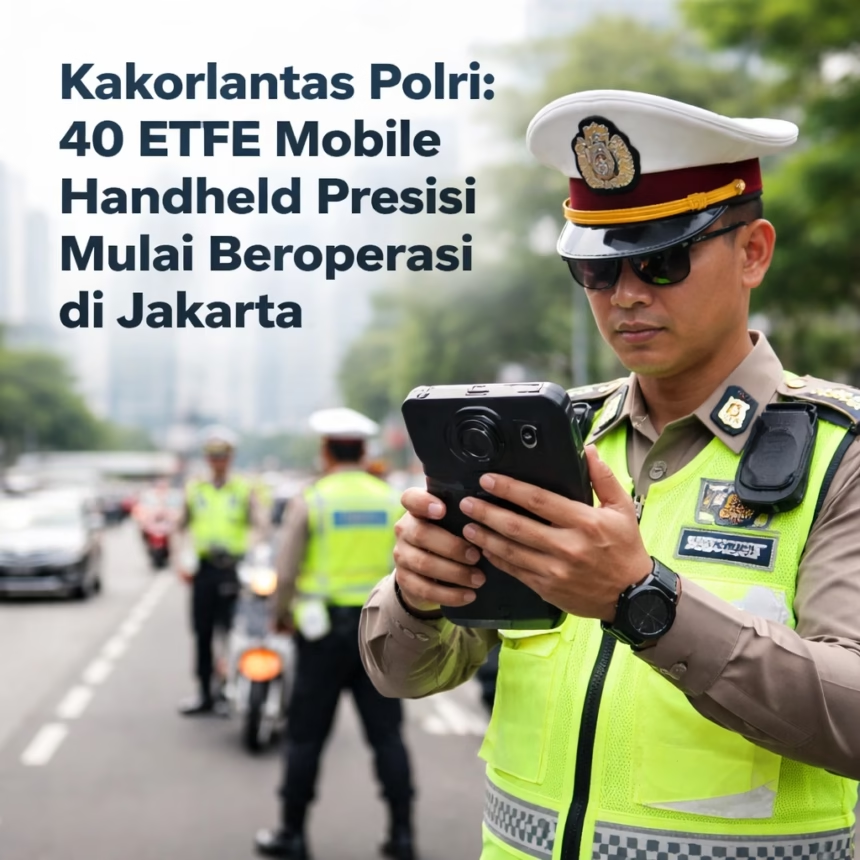
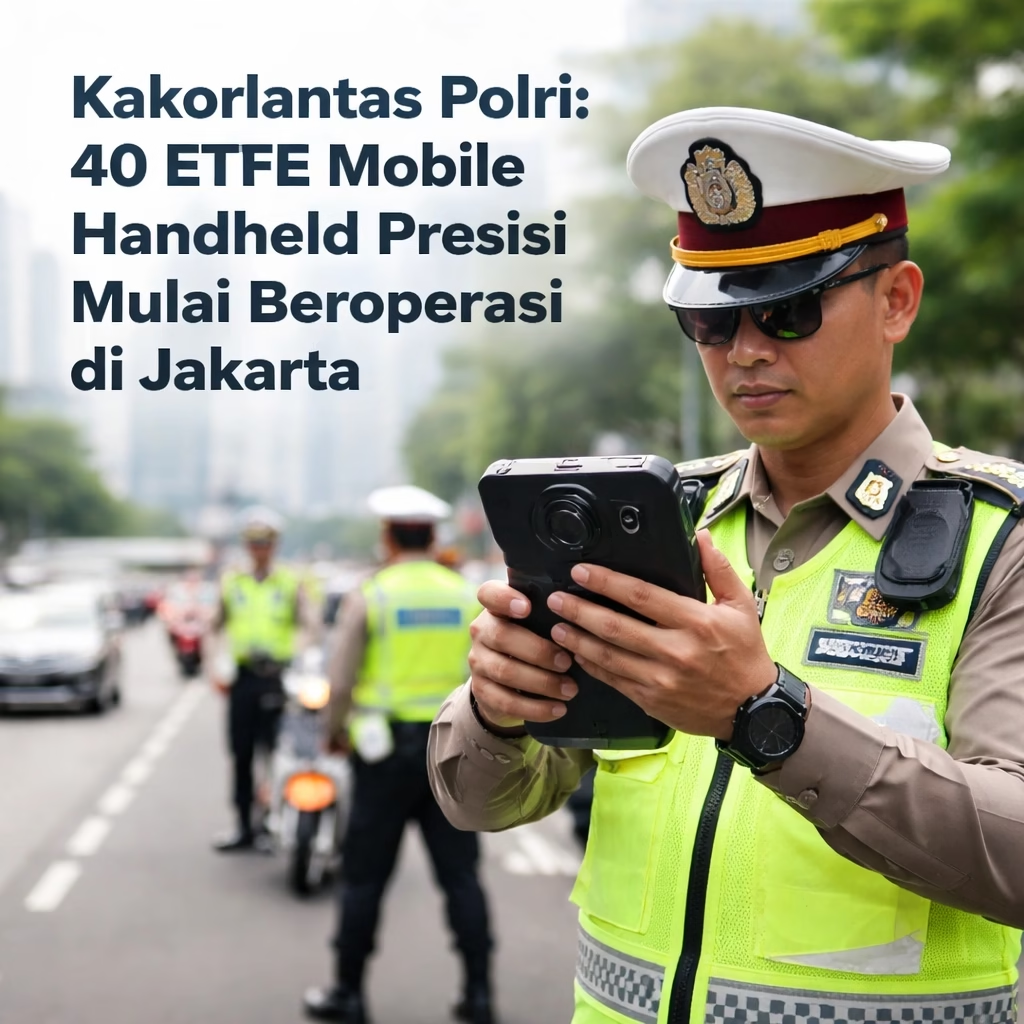
Jakarta is bolstering its traffic enforcement capabilities with the deployment of 40 new handheld electronic ticketing (ETLE) units. The units, described as "precision" devices, began operations across the city on October 26, 2023, aiming for more accurate and efficient traffic violations monitoring.
Background: A Growing Need for Traffic Management
Traffic congestion remains a persistent challenge in Jakarta, a sprawling metropolis with a rapidly growing population. The Jakarta Transportation Agency (PTKST) and the National Police of the Republic of Indonesia (Polri) have been collaborating for years to improve traffic flow and safety. Previous ETLE systems utilized vehicle number plate recognition technology at fixed locations. However, these systems had limitations in addressing violations occurring outside of designated zones or those requiring more nuanced observation.
The development of handheld ETLE units reflects a shift towards a more dynamic and responsive approach to traffic enforcement. This initiative builds upon earlier efforts to modernize traffic management systems in Jakarta, including the implementation of smart traffic lights and the expansion of CCTV networks.
Key Developments: Precision Targeting and Enhanced Accuracy
The 40 new handheld ETLE units are a significant upgrade from existing systems. These devices utilize advanced technology, including GPS and image recognition, to pinpoint the exact location and nature of traffic violations. This allows officers to issue tickets with greater accuracy, reducing potential disputes and ensuring fair enforcement.
More Read

A key feature of the new system is its ability to record detailed evidence, including vehicle details, violation type, location coordinates, and photographic or video documentation of the infraction. This detailed documentation helps strengthen cases and minimizes subjective interpretations.
The deployment is being rolled out gradually across Jakarta, with initial focus on high-traffic areas and known problem zones. Police officers are undergoing specialized training to operate the new units effectively and ensure consistent application of traffic laws.
Technology Specifications
The handheld ETLE units are equipped with high-resolution cameras, GPS modules, and secure data storage. They are designed to withstand the demanding conditions of daily use by traffic officers. Data collected is transmitted securely to a central database for processing and verification.

Impact: Smoother Traffic Flow and Increased Accountability
The deployment of precision ETLE units is expected to have a positive impact on Jakarta's traffic management. By enabling more targeted and accurate enforcement, the system aims to deter traffic violations, reduce accidents, and improve overall traffic flow.
Increased accountability is another key benefit. The detailed evidence captured by the units provides a strong basis for enforcing traffic laws and reduces the potential for corruption or bias.
Motorists and public transportation users are likely to experience a more consistent and predictable enforcement environment. The system's transparency and accuracy should contribute to a greater sense of fairness in traffic regulations.
What’s Next: Expansion and Integration
The Jakarta Police plan to gradually expand the deployment of handheld ETLE units to cover more areas of the city. The goal is to eventually equip a significant portion of the traffic enforcement fleet with this advanced technology.
Integration with existing traffic management systems, including CCTV networks and traffic flow monitoring platforms, is also planned. This will create a more comprehensive and data-driven approach to traffic management.
The police are also exploring potential integration with digital payment platforms to facilitate convenient ticket payment. The long-term vision is to create a fully integrated and intelligent traffic enforcement system that enhances safety, efficiency, and transparency.
More Read

Future Integration Plans
The Polri intends to integrate the ETLE data with other crime data to identify patterns and hotspots of traffic violations. This will enable proactive deployment of resources and targeted enforcement campaigns. Further development may also include real-time traffic analysis and predictive modeling to anticipate and mitigate congestion.