
Republic Day Rule: Meat Ban Sparks Controversy in Koraput
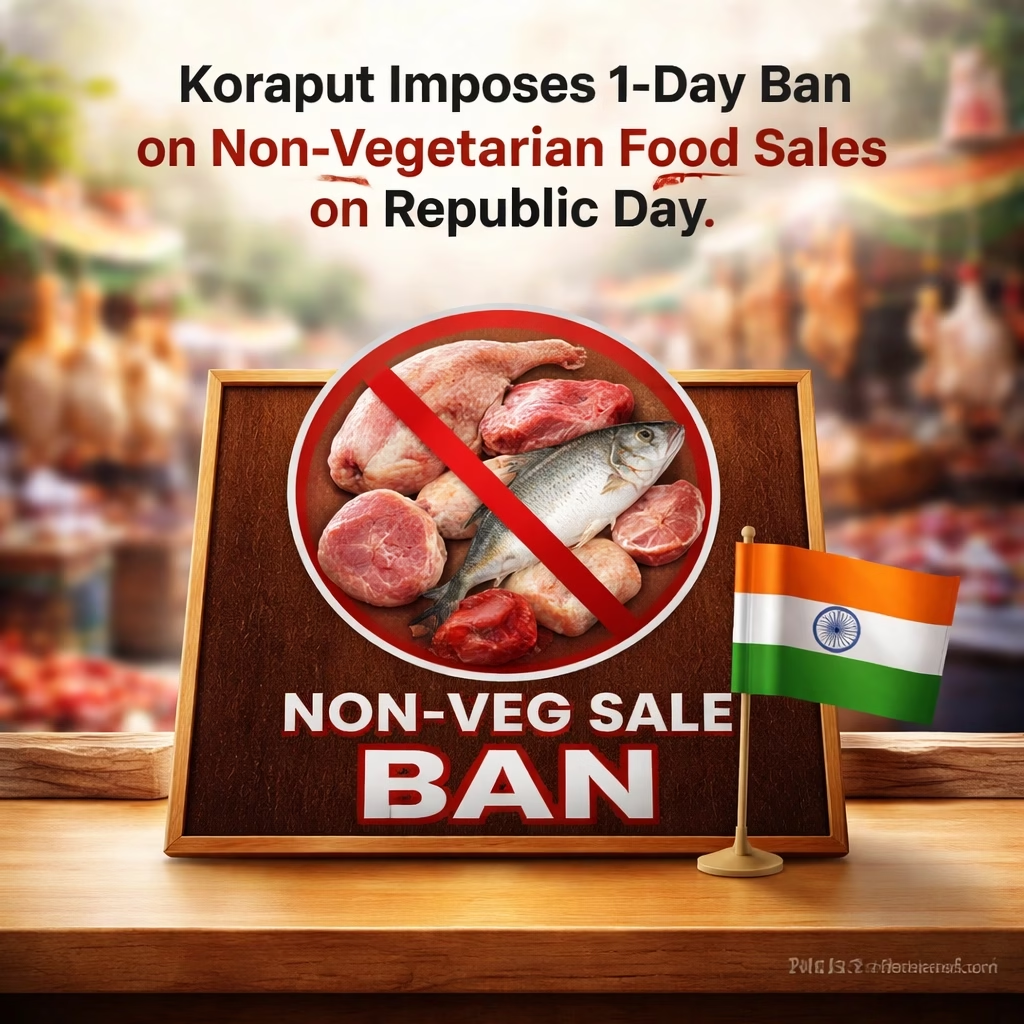
Koraput district in Odisha has announced a one-day ban on the sale of non-vegetarian food on Republic Day, January 26, 2024. The decision, made by the local administration, has ignited debate among residents and sparked discussions about cultural sensitivities and religious freedom.
Background: A Tradition with Complex Roots
The practice of observing a non-vegetarian fast on Republic Day in Koraput is not new. It’s deeply interwoven with the cultural and religious fabric of the region, particularly among the tribal communities. Historically, Republic Day has been observed as a day for spiritual reflection and community bonding, often involving abstaining from non-vegetarian food. This tradition is primarily associated with certain tribal groups like the Saora and other indigenous communities.
Over the years, the significance of the day has evolved. While the initial focus was on religious observance, it has also become a day for celebrating the nation’s sovereignty. The administration’s recent decision appears to be an attempt to reinforce the traditional aspect of the day, prioritizing cultural values.
Recent Changes: Administration’s Firm Stance
The Koraput administration, led by District Collector Bhawani Shankar Pathak, officially announced the one-day ban on January 18, 2024. The order, issued through the district administration, mandates that all shops and vendors selling non-vegetarian food must remain closed on Republic Day. The rationale cited by officials is to promote cultural harmony and respect for local traditions. Several local shops and restaurants have confirmed receiving the order and are preparing to comply.
More Read

This year’s decision has been met with mixed reactions. While some residents and community leaders have voiced support, appreciating the attempt to preserve cultural heritage, others have raised concerns about the imposition of restrictions on personal choice and freedom of choice.
Impact: Ripples Across the District
Businesses Face Uncertainty
The ban is expected to impact businesses involved in the sale of non-vegetarian food, including restaurants, eateries, and street vendors. Many of these businesses rely on Republic Day for a significant portion of their revenue. The uncertainty surrounding the ban has created anxieties among owners and employees.
Community Divisions
The decision has also led to divisions within the community. While some tribal communities readily embrace the tradition, others feel it’s an unnecessary imposition on their rights. Public discussions and debates are ongoing, reflecting the diverse opinions within Koraput.

Tourism Implications
Koraput is gaining recognition as a tourist destination. The ban raises questions about its potential impact on tourism, particularly for visitors who may have different dietary preferences. The administration hasn’t yet addressed how the ban might affect tourism activities.
What Next: Navigating the Controversy
The Koraput administration has stated that the ban is a temporary measure for Republic Day only. However, the decision has prompted calls for a more inclusive dialogue to address the underlying concerns about cultural preservation and individual freedoms. Local leaders are expected to engage in discussions to find a common ground and ensure that the tradition is observed in a way that respects the diverse perspectives within the community.
The administration has indicated a willingness to review the situation and consider alternative approaches in the future. The coming days will be crucial in determining how the controversy unfolds and whether a resolution can be reached that satisfies all stakeholders. The focus remains on maintaining harmony and upholding the spirit of Republic Day while acknowledging the region's rich cultural heritage.