Escalation in the North: Lebanon Braces for Further Clashes
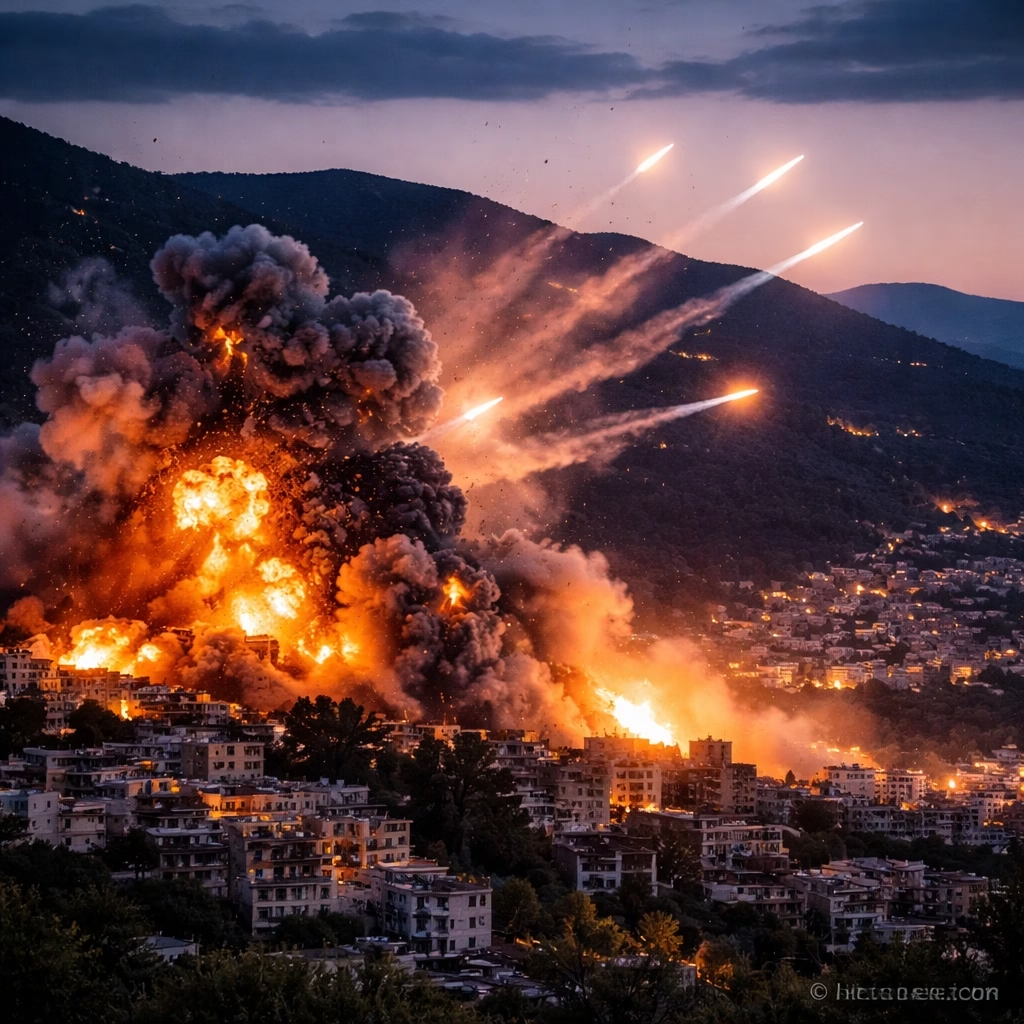
Israel has launched airstrikes in Lebanon, targeting areas in response to alleged ceasefire violations by Hezbollah. The strikes, reported on August 29, 2023, mark a significant escalation in tensions between the two adversaries along the northern border. This development raises concerns about a wider conflict in the region.
Background
The conflict between Israel and Hezbollah has a history of intermittent clashes, most notably in 2006. Following the October 7, 2023, Hamas attacks on Israel, Hezbollah has engaged in heightened cross-border exchanges with Israeli forces, including rocket fire and artillery shelling. Israel declared a state of war with Hamas and has been conducting intensive operations in the Gaza Strip. Simultaneously, the situation along the Lebanon-Israel border has deteriorated, with escalating exchanges that have led to civilian casualties and displacement on both sides.
A fragile ceasefire had been in place since the initial exchanges following October 7th, however, recent days have witnessed a sharp increase in intensity, fueled by Hezbollah’s actions and Israeli retaliatory strikes. The current situation is particularly volatile, with both sides accusing the other of violating the terms of any potential truce.
Key Developments
On August 29, 2023, Israel conducted a series of airstrikes targeting Hezbollah positions in the southern Lebanese mountains, particularly in the areas of Yiftah and near the border with Israel. Israeli military officials stated the strikes were in response to Hezbollah fire that hit Israeli territory. The Israeli Defense Forces (IDF) claimed to have targeted sites used for command and control, as well as weapons storage facilities.
More Read

Hezbollah has confirmed the strikes and stated that its forces are prepared to respond to any further Israeli aggression. The group's statement emphasized its commitment to defending Lebanon and countering Israeli actions in the region. Recent reports indicate a significant increase in the number of rockets and mortar rounds fired from Lebanon towards northern Israel in the days leading up to the Israeli retaliation.
The Israeli military has also increased its presence along the border, deploying additional troops and reinforcing defensive positions. This heightened military posture suggests a preparation for a potential escalation of the conflict.
More Read
Impact
The escalating tensions have had a significant impact on the civilian populations in both Lebanon and Israel. In Lebanon, hundreds of thousands of people have been displaced from their homes in the south, seeking refuge further inland. The ongoing clashes have disrupted daily life, with schools and businesses closed and essential services hampered.
In Israel, residents in border communities have been forced to seek shelter in bomb shelters due to incoming rocket fire. The economic impact on affected regions is considerable, with businesses suffering losses and tourism significantly reduced. The psychological toll on communities near the border is also substantial.
The potential for a wider conflict is a major concern. The involvement of external actors, such as Iran, which supports Hezbollah, could further escalate the situation. The risk of a regional war remains elevated.
Humanitarian Concerns
The displacement of civilians and the damage to infrastructure have created a significant humanitarian crisis. Aid organizations are struggling to provide adequate assistance to those affected, particularly in the south of Lebanon. Access to essential services, such as water, electricity, and medical care, is limited in many areas.
What Next
The immediate focus is on de-escalating the situation and preventing further casualties. Diplomatic efforts are underway, led by international actors such as the United States, France, and Qatar, to broker a ceasefire. However, progress has been limited, with both sides remaining entrenched in their positions.
The long-term trajectory of the conflict remains uncertain. A renewed escalation is considered a distinct possibility, particularly if Hezbollah continues to launch attacks on Israeli territory. The stability of the region hinges on finding a way to address the underlying causes of the conflict and prevent a wider war. The United Nations is expected to continue monitoring the situation and advocating for a peaceful resolution.

Potential Escalation Points
A significant escalation could occur if Hezbollah launches a large-scale attack on Israel or if Israel responds with a broader military operation in Lebanon. The involvement of other regional actors, particularly Iran, could also trigger a wider conflict. The situation remains highly fluid and unpredictable.