Double Trouble: Mental Health Complications Linked to Prolonged COVID
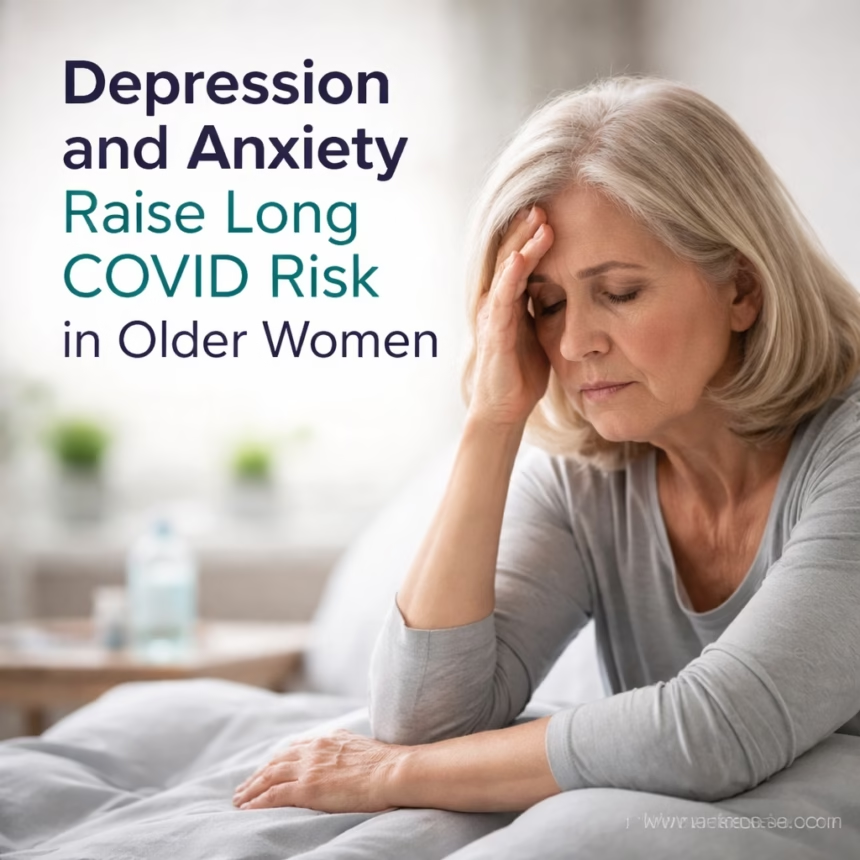
A new study published in the *Journal of General Internal Medicine* on October 26, 2023, reveals a significant link between depression and anxiety, particularly in older women, and an increased risk of developing long COVID. The research, conducted by a team at the University of California, San Francisco (UCSF), sheds light on a critical aspect of the lingering health consequences of the SARS-CoV-2 virus.
Background: The Rise of Long COVID
Long COVID, also known as post-COVID conditions, emerged as a significant public health concern following the initial COVID-19 pandemic. Defined as symptoms lasting weeks or months after the acute infection, it affects an estimated 10-20% of individuals who contract the virus globally. Symptoms are diverse, ranging from fatigue and shortness of breath to cognitive dysfunction ("brain fog") and cardiovascular problems. Understanding the factors contributing to long COVID is crucial for developing effective prevention and treatment strategies.
The initial wave of long COVID cases began appearing in early 2020, with ongoing research continually refining our understanding of its causes and progression. Early hypotheses focused on viral persistence, immune dysregulation, and microclots. More recently, research has increasingly highlighted the role of pre-existing health conditions and mental health factors in influencing the severity and duration of long COVID symptoms.
Key Developments: Mental Health as a Risk Factor
The UCSF study, involving over 700 participants who had recovered from COVID-19 between March 2020 and December 2022, focused specifically on the relationship between mental health diagnoses and the development of long COVID. Researchers utilized data from electronic health records and conducted follow-up assessments. The findings indicate that individuals with pre-existing or newly developed diagnoses of depression and anxiety were significantly more likely to experience persistent symptoms after the initial infection.

Specifically, the study found that older women with both depression and anxiety had a 50% higher risk of experiencing long COVID symptoms compared to those with either condition alone or those without either. The increased risk was particularly pronounced for symptoms related to fatigue, cognitive impairment, and cardiovascular issues.
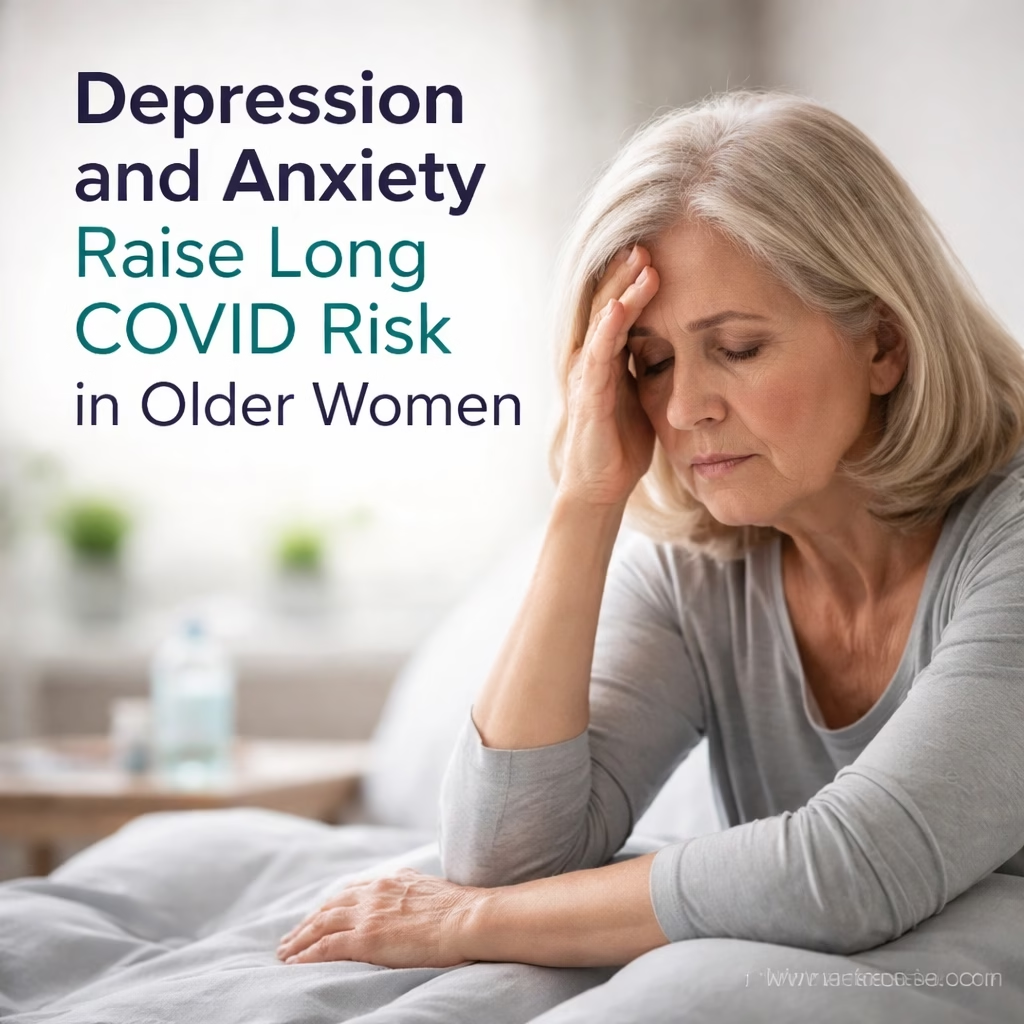
Researchers emphasize that this isn't necessarily a causal relationship – it's complex. However, they believe that mental health conditions may exacerbate the physiological effects of the virus, potentially contributing to a more prolonged and debilitating recovery process. Chronic stress and inflammation, often associated with depression and anxiety, may play a key role.

Impact: Vulnerable Populations at Greater Risk
The findings have significant implications for older women, who are disproportionately affected by long COVID and often experience higher rates of both depression and anxiety. Age-related physiological changes, coupled with social isolation experienced during the pandemic, may contribute to this vulnerability.
According to the Centers for Disease Control and Prevention (CDC), women are more likely than men to report experiencing long COVID symptoms. The study’s results suggest that addressing the mental health needs of older women post-COVID is essential for mitigating their risk of experiencing long-term health problems. This is especially important considering the challenges many older adults face in accessing mental healthcare.
The study also highlights the need for tailored interventions. Generic approaches to long COVID management may not be sufficient for individuals with co-occurring mental health conditions. A holistic approach that addresses both physical and mental health is crucial.
Challenges in Diagnosis and Treatment
Diagnosing and treating long COVID presents unique challenges. Symptoms are often varied and nonspecific, making it difficult to pinpoint the underlying cause. Furthermore, mental health conditions can be overlooked or misattributed to the lingering effects of the virus, hindering access to appropriate treatment.
Geographic Variations
While the UCSF study focused on California, similar trends have been observed in other regions. Research in the United Kingdom, Australia, and Canada has also suggested a link between mental health and long COVID, although the specific prevalence rates may vary depending on local healthcare systems and population demographics.
What Next: Research and Clinical Implications
Researchers are now focusing on identifying the underlying mechanisms that link mental health conditions to long COVID. Future studies will investigate the role of immune dysregulation, inflammation, and neurobiological factors.
More Read

Clinically, the findings underscore the importance of screening for mental health conditions in individuals recovering from COVID-19. Healthcare providers are encouraged to incorporate mental health assessments into routine follow-up care and to offer appropriate support and referrals.
Several clinical trials are underway to evaluate the effectiveness of various interventions for long COVID, including psychological therapies, cognitive behavioral therapy (CBT), and mindfulness-based interventions. The hope is that these interventions will not only alleviate mental health symptoms but also improve overall functional outcomes for individuals with long COVID.
The UCSF team is planning a larger, multi-center study to further validate their findings and to explore potential therapeutic targets. The results of this study are expected to be released in 2025.