Fatal Blast: Russian Strike Kills 12 Miners in Ukraine's Industrial East
Fatal Blast: Russian Strike Kills 12 Miners in Ukraine's Industrial East
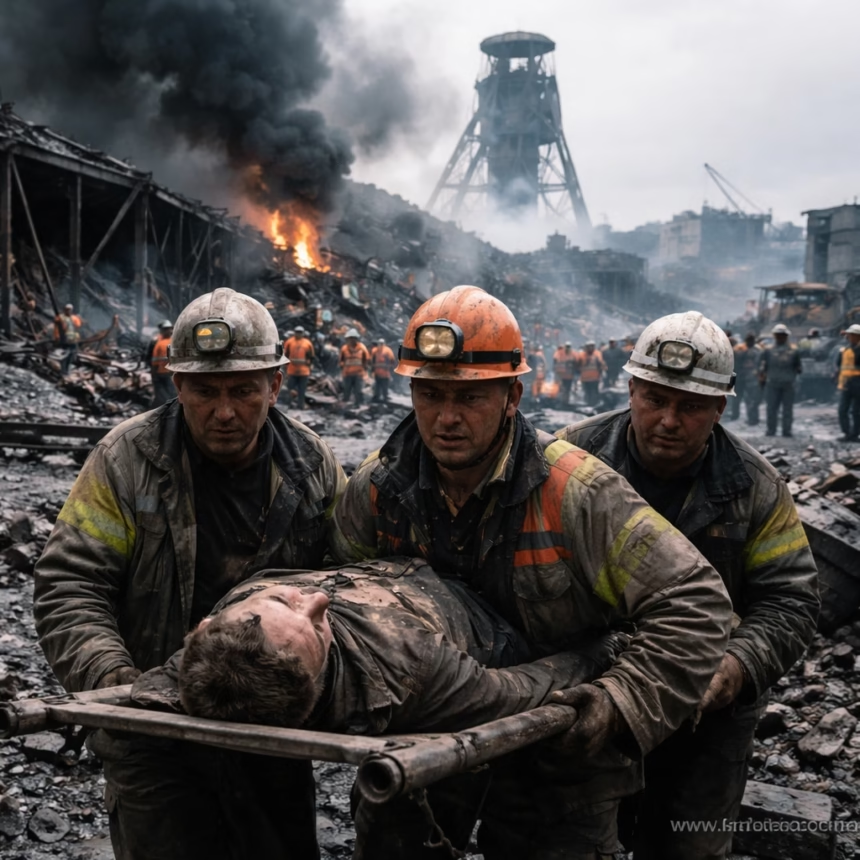
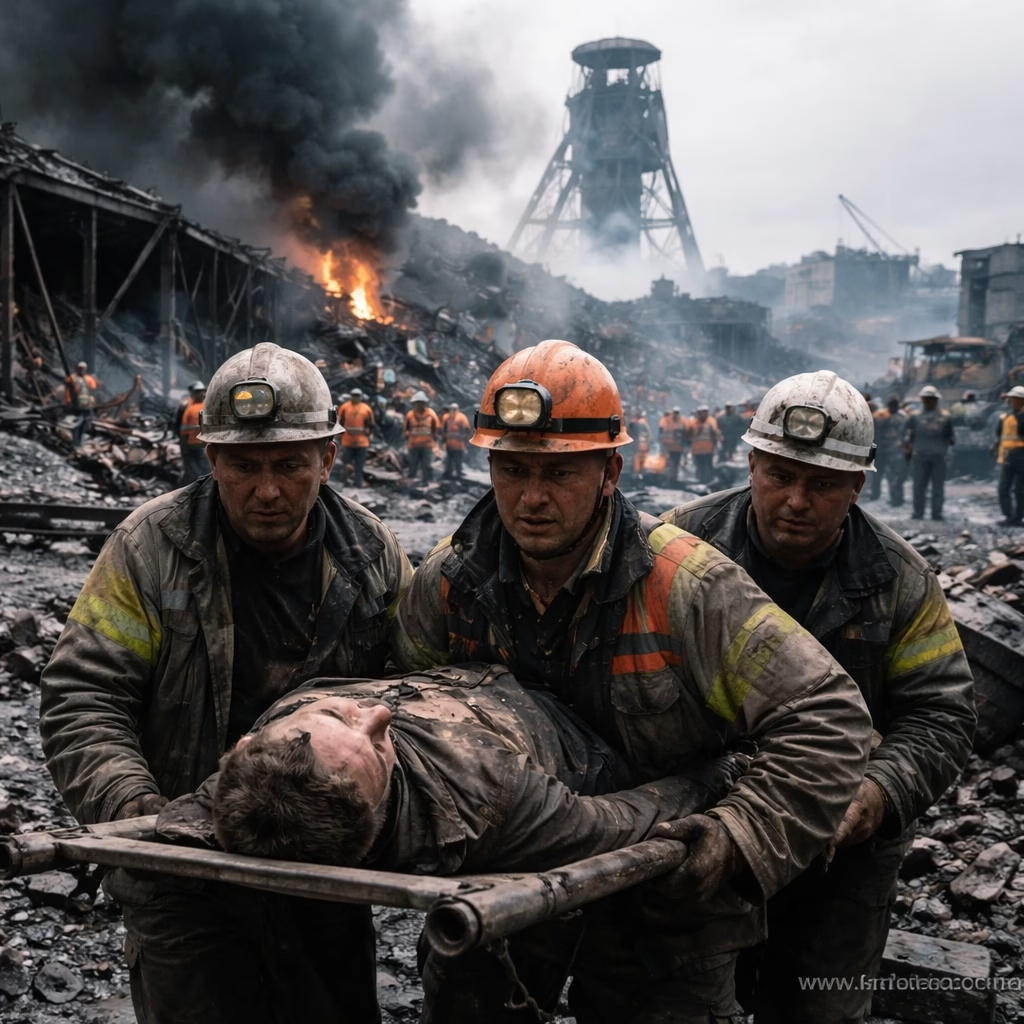
A devastating Russian missile strike has tragically claimed the lives of twelve Ukrainian miners in the country's eastern industrial heartland. The attack, which occurred at a coal mine this week, underscores the profound human cost of the ongoing conflict and the constant peril faced by those working in vital sectors amid the war.
Background: War’s Shadow Over Ukraine’s Mines
The full-scale invasion launched by Russia in February 2022 dramatically escalated a conflict that had simmered in eastern Ukraine since 2014. The Donbas region, encompassing the Donetsk and Luhansk oblasts, has long been the epicenter of this struggle, a territory rich in coal and heavy industry. These areas are crucial to Ukraine's economy and energy independence, making them frequent targets in the protracted conflict.
Mining, particularly coal extraction, forms the backbone of the Donbas economy and is a critical component of Ukraine's energy supply, especially for thermal power generation. Even before the 2022 invasion, miners in the region faced hazardous conditions, but the war has introduced an unprecedented layer of danger. Infrastructure, including mines, power plants, and transportation networks, has been repeatedly targeted by Russian forces.
More Read

Ukrainian energy companies, including the nation's largest private energy producer, DTEK, have consistently reported damage to their facilities and the tragic loss of personnel. Miners often work deep underground, sometimes continuing operations even during air raid alerts, a testament to their dedication and the essential nature of their work. However, direct strikes on surface infrastructure, or even nearby impacts, can have catastrophic consequences for those below ground.
The targeting of industrial sites is part of a broader Russian strategy to cripple Ukraine's economy and break its will to resist. This includes systematic attacks on energy infrastructure, particularly as winter approaches, aiming to disrupt heating and electricity supplies for millions of Ukrainians. The constant threat necessitates immense resilience from workers who continue to perform their duties under the most extreme circumstances.
Key Developments: The Attack and Its Immediate Aftermath
The fatal strike occurred on a recent date at a coal mine located in the Pokrovsk district of Donetsk Oblast. According to statements from Ukraine's largest private energy company, DTEK, a Russian missile impacted the mine's surface facilities during a shift, causing immediate and extensive damage. The strike highlighted the vulnerability of critical industrial sites, even those not directly involved in military operations.

Initial reports indicated a high number of casualties. Rescue teams were immediately deployed to the site, working under dangerous conditions to assess the damage and locate personnel. The grim task of recovery soon began, with officials confirming the deaths of twelve miners. Several other workers were reportedly injured in the blast, some requiring immediate medical attention for various degrees of trauma and burns.
Ukrainian President Volodymyr Zelenskyy and regional authorities quickly condemned the attack, calling it a deliberate act of terror against civilian infrastructure and workers. They emphasized that the miners were engaged in vital, non-military work, highlighting the indiscriminate nature of Russia's aggression and its disregard for civilian lives and international humanitarian law.
Details of the Attack
While specific details regarding the exact type of missile used are under investigation, Ukrainian military intelligence suggests it was a precision-guided munition, indicative of an intentional targeting of the industrial site. The impact reportedly caused significant structural damage to surface buildings, including administrative offices, processing facilities, and key shafts, leading to potential disruptions in ventilation systems and power supply to the underground workings.
The energy company confirmed that operations at the affected mine have been temporarily halted to ensure the safety of remaining personnel and to allow for comprehensive damage assessment and repair. This incident adds to a growing list of attacks on Ukraine’s industrial heartland, which continues to suffer under relentless bombardment, further straining the nation’s ability to maintain essential services.
Impact: A Deepening Crisis for Lives and Livelihoods
The loss of twelve miners sends shockwaves through their families, local communities, and the broader Ukrainian society. Each death represents a profound personal tragedy, leaving behind grieving spouses, children, and parents. These individuals were breadwinners, contributing to the resilience of their nation even as war raged around them, often working long shifts to support their families and the national economy.
For the energy company, the strike represents not only a tragic loss of life but also a significant operational setback. The death of skilled miners, coupled with damage to infrastructure, directly impacts coal production at a time when Ukraine is striving to secure its energy supplies, particularly with the looming winter season. The morale of remaining workers in an already perilous industry is also severely tested, as they face the constant threat of similar attacks.

Human Toll and Community Response
The communities in eastern Ukraine, many of which are historically tied to the mining industry, are deeply affected. News of such tragedies ripples quickly, fostering a sense of shared grief and vulnerability. Local authorities and humanitarian organizations are mobilizing to provide support to the victims’ families, offering financial aid, psychological counseling, and assistance with funeral arrangements. The names and stories of the fallen miners, though not yet widely publicized, will become part of the enduring narrative of sacrifice in this conflict.
Energy Sector Vulnerabilities
The attack further exposes the fragility of Ukraine’s energy sector. Already grappling with widespread damage to power plants, substations, and transmission lines, the nation relies heavily on its domestic coal supply. Disruptions to mining operations directly threaten the country’s ability to generate electricity and heat, potentially exacerbating an already dire humanitarian situation as temperatures drop. International partners have been providing aid to bolster Ukraine’s energy resilience, but such strikes underscore the immense and ongoing challenge.
What Next: Investigations, Recovery, and Enduring Conflict
Ukrainian authorities have launched a full investigation into the strike, aiming to gather evidence for potential future war crimes prosecutions against Russian officials. The findings will contribute to Ukraine's extensive documentation of Russian aggression, which is being compiled for international legal bodies and tribunals.
In the immediate aftermath, efforts will focus on the recovery of any remaining victims and a thorough assessment of the mine's structural integrity. Repair work will be initiated as soon as safety permits, though the timeline for full operational resumption remains uncertain. The energy company will face the challenging task of rebuilding its workforce and infrastructure under constant threat, requiring significant investment and planning.
The international community has widely condemned the attack, with calls for increased support for Ukraine's air defense capabilities and further sanctions against Russia. However, the incident serves as a stark reminder that despite diplomatic efforts and international pressure, the conflict continues to inflict a heavy toll on civilians and critical infrastructure, far from the front lines.
As Ukraine braces for another wartime winter, the resilience of its energy sector and its people will be continually tested. The tragic deaths of these twelve miners underscore the urgent need for a lasting peace, while also hardening the resolve of many to defend Ukraine's sovereignty and its future. The global community watches, weighing the ongoing costs of a war that shows no immediate signs of abatement.