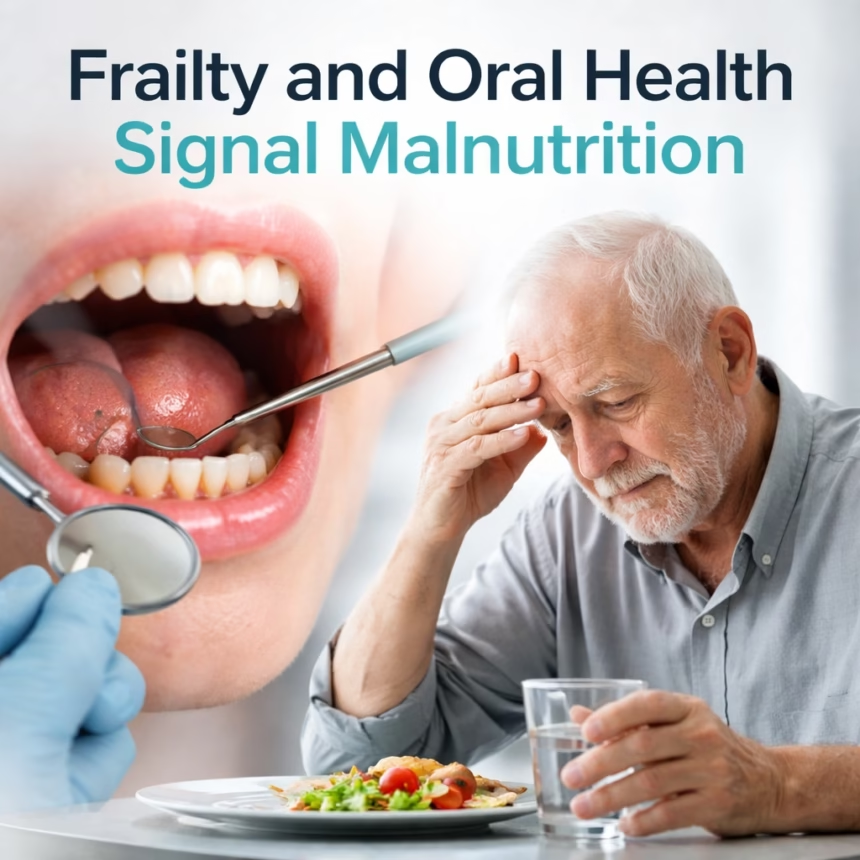
A critical link is emerging between an individual's oral health, their level of frailty, and the often-overlooked presence of malnutrition. Recent analyses highlighted in leading medical journals, including the European Medical Journal (EMJ), are underscoring how issues within the mouth can serve as early, crucial signals of systemic health decline, particularly in vulnerable populations across Europe and globally. This integrated perspective is challenging traditional views and advocating for a more holistic approach to patient assessment and care.
Background: The Evolving Understanding of Interconnected Health
For decades, frailty was primarily viewed as an inevitable consequence of aging, characterized by a decline in physical reserve and increased vulnerability to adverse health outcomes. Malnutrition, similarly, was often considered a separate challenge, frequently associated with poverty or specific disease states, assessed largely through weight and dietary intake. Oral health, meanwhile, often remained a distinct domain, primarily addressed by dental professionals.
The timeline of understanding these connections has seen a significant evolution. Early 20th-century observations occasionally noted the impact of poor dentition on dietary choices. However, it was not until the late 20th and early 21st centuries that a more robust scientific understanding began to solidify. Researchers started to connect chronic inflammation from periodontal disease to systemic conditions, and the profound impact of chewing difficulties on nutrient absorption gained traction. This period saw a gradual shift from siloed medical and dental practices towards a more integrated health paradigm, recognizing the body as an interconnected system. The European Medical Journal, among other publications, has been instrumental in disseminating research that bridges these previously separate fields, highlighting the complex interplay of biological, social, and environmental factors.
Key Developments: Oral Health as a Diagnostic Frontier
Recent developments have sharpened the focus on oral health as a potent, often overlooked, diagnostic tool for frailty and malnutrition. Studies now clearly articulate specific oral indicators that serve as early warning signs. These include significant tooth loss (edentulism), severe periodontal disease, xerostomia (dry mouth), ill-fitting or poorly maintained dentures, and chronic oral pain. Each of these conditions directly impairs an individual's ability to chew, swallow, and taste food effectively, leading to reduced food intake and altered dietary choices.
The EMJ’s Role in Highlighting the Nexus
Recent publications, including those featured in the EMJ, have consolidated evidence demonstrating this critical nexus. They emphasize that the presence of multiple oral health problems significantly increases the risk of developing malnutrition and accelerating frailty. This understanding is prompting a re-evaluation of routine clinical assessments, advocating for the inclusion of detailed oral health screenings as part of comprehensive geriatric and nutritional evaluations. The shift is towards proactive identification rather than reactive treatment of advanced conditions.
More Read

Interdisciplinary Collaboration and New Paradigms
A crucial development is the growing call for interdisciplinary collaboration. Dentists, general practitioners, dietitians, nurses, and geriatricians are increasingly urged to work together, sharing insights and integrating care plans. This collaborative model is fundamental to addressing the multifaceted nature of frailty and malnutrition. New diagnostic paradigms are also emerging, moving beyond simple Body Mass Index (BMI) measurements to incorporate functional assessments, muscle mass analysis, and crucially, an evaluation of oral status. This holistic approach allows for the detection of "hidden malnutrition," which can manifest as micronutrient deficiencies or sarcopenia (muscle loss) even in individuals who appear to be of normal weight.
Impact: A Widespread and Costly Challenge
The implications of this interconnected understanding are far-reaching, affecting a broad spectrum of individuals and healthcare systems globally. Older adults represent a particularly vulnerable demographic. As natural physiological changes occur with age, combined with a higher prevalence of chronic diseases and polypharmacy (multiple medications), they are at increased risk of developing oral health issues that exacerbate frailty and malnutrition. This often leads to a vicious cycle where poor nutrition weakens the immune system, further compromising oral health.
Vulnerable Populations and Systemic Burden
Beyond the elderly, hospitalised patients face a significant risk. Malnutrition is alarmingly common in hospital settings, often under-recognised, and oral health assessments are frequently overlooked during acute care. Residents in long-term care facilities and nursing homes also experience high rates of frailty and malnutrition, compounded by potential difficulties in maintaining personal oral hygiene. Individuals living with chronic diseases such as diabetes, cardiovascular conditions, and autoimmune disorders are also disproportionately affected, as these conditions can both contribute to oral health problems and increase nutritional demands.
More Read

The impact extends to healthcare systems themselves. Unaddressed malnutrition and frailty lead to longer hospital stays, increased rates of readmission, higher healthcare costs, and a reduced overall quality of life for patients. The inability to eat properly affects medication adherence, wound healing, and recovery from illness or surgery. Recognising oral health as a precursor allows for earlier intervention, potentially mitigating these severe consequences and improving patient outcomes across various care settings, from community health centres to specialized clinics.
What Next: Forging a Path Towards Integrated Care
The growing evidence base demands a clear path forward, focusing on integrated strategies and proactive interventions. One of the most critical next steps involves the development and widespread implementation of integrated screening protocols. These tools would enable healthcare professionals across disciplines to efficiently assess oral health status, frailty indicators, and nutritional risks simultaneously, ensuring no patient falls through the cracks. Such protocols could be standardized across primary care, hospital admissions, and long-term care facilities.
Education, Policy, and Research Frontiers
Educational initiatives are paramount. There is an urgent need for enhanced training for all healthcare professionals—doctors, nurses, dietitians, and dentists—to recognize the signs and symptoms of this intricate connection. Curricula should be updated to reflect the importance of oral health in systemic well-being and to foster interdisciplinary communication and collaboration. Policy changes are also anticipated, advocating for the integration of oral health into broader public health strategies focused on healthy aging, chronic disease management, and nutritional guidelines. This could involve funding for preventive oral care, particularly for vulnerable populations, and greater accessibility to dental services.
Future research directions will likely explore longitudinal studies to better understand the progression of these conditions and the efficacy of various interventions. Investigation into the oral microbiome's role in nutrient absorption and systemic inflammation also holds significant promise. Finally, technological advancements, such as AI-powered diagnostic tools for oral health assessment and personalized nutritional interventions, are expected to play a crucial role in preventing and managing frailty and malnutrition, ultimately improving the health and well-being of populations worldwide.