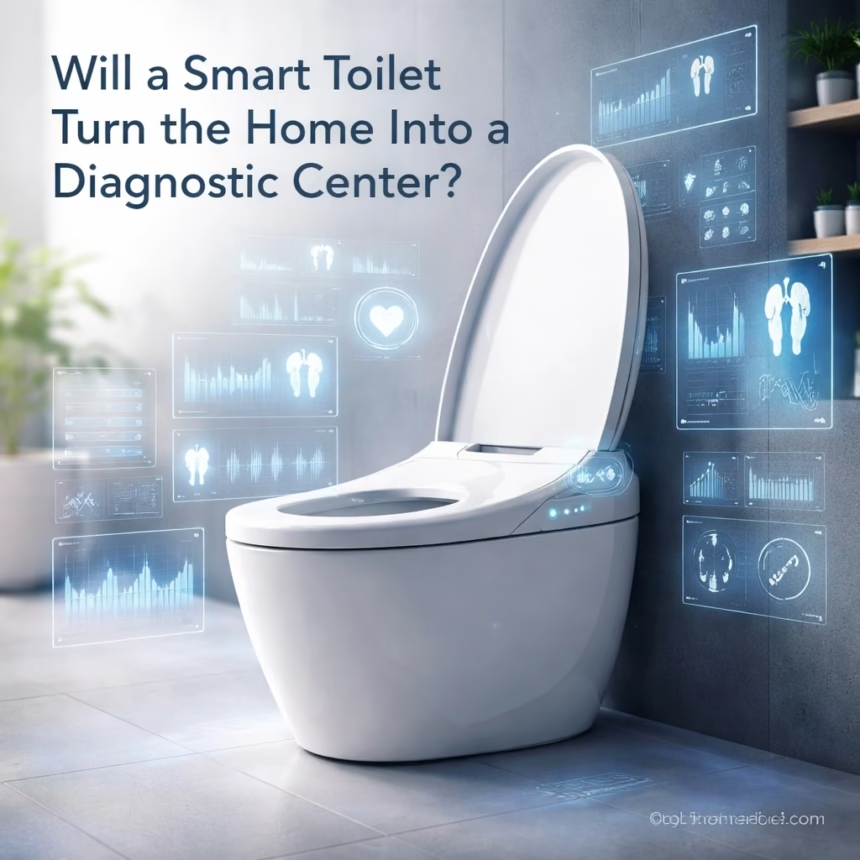
The humble bathroom fixture is undergoing a radical transformation. Across tech-forward nations, smart toilets are evolving beyond luxury items, embedding sophisticated sensors poised to turn daily routines into comprehensive health assessments. This emerging trend, gaining significant momentum in the last five years, promises to redefine home healthcare monitoring.
Background: From Bidet to Biomarker
The concept of the 'smart' toilet originated decades ago, primarily focused on comfort and hygiene. Japanese manufacturers like Toto pioneered features such as heated seats and bidet functions with the introduction of the Washlet in 1980. For years, these innovations remained largely in the realm of convenience, slowly spreading from Asia to European and North American markets.
The vision of a diagnostic toilet began to crystallize in the early 2000s, with researchers exploring non-invasive analysis of waste products. However, the technology at the time was bulky and cost-prohibitive.
The real inflection point arrived with the widespread advancement of miniaturized sensors, artificial intelligence (AI), and the Internet of Things (IoT). This technological leap, coupled with a growing global emphasis on preventative health and remote patient monitoring, provided the fertile ground for smart toilets to evolve into potential diagnostic hubs. Companies like Google and Apple, while not manufacturing toilets, have heavily invested in adjacent health tech, setting a precedent for pervasive health monitoring.
Key Developments: Sensing the Subtle Signals
Recent years have witnessed a rapid acceleration in the development of sophisticated diagnostic capabilities embedded within smart toilets. What was once theoretical is now becoming tangible, with several companies introducing devices capable of analyzing bodily excretions with increasing precision.

One of the most significant advancements lies in urine analysis. New smart toilets are equipped with microfluidic systems and optical sensors designed to detect a spectrum of biomarkers. These include glucose levels for diabetes management, protein and creatinine for kidney function, leukocytes and nitrites signaling potential urinary tract infections (UTIs), and pH balance. Withings, for example, recently unveiled its U-Scan device, a pebble-shaped analyzer that fits into any toilet bowl, measuring key health metrics and transmitting data to a companion app.
Beyond urine, stool analysis is also gaining traction. Advanced imaging systems and chemical sensors are being developed to assess stool consistency, volume, and detect the presence of blood, an early indicator of gastrointestinal issues like colorectal cancer. Researchers at Stanford University, led by Dr. Sanjiv Sam Gambhir, developed a smart toilet prototype in 2020 that uses cameras and motion sensors for stool analysis alongside standard urinalysis.
Furthermore, some smart toilet concepts incorporate seat-based sensors that can measure heart rate variability, oxygen saturation, and even estimate blood pressure simply by the user sitting down. The backbone of these diagnostic capabilities is Artificial Intelligence (AI) and machine learning. Algorithms process vast amounts of data, identify patterns, detect anomalies, and generate personalized health insights, allowing for early detection and chronic disease management. Data is typically transmitted via Wi-Fi or Bluetooth to secure cloud platforms, accessible through smartphone applications or, with user consent, directly to healthcare providers.

Impact: A Double-Edged Flush
The advent of the diagnostic smart toilet carries profound implications for various stakeholders, from individual users to the broader healthcare system.
For individuals, the primary promise is enhanced preventative health and early disease detection. Real-time, non-invasive monitoring could lead to timely medical intervention, potentially preventing the progression of chronic diseases and reducing the need for costly, reactive treatments. It offers unparalleled convenience, integrating health checks seamlessly into daily routines. For the elderly or those managing chronic conditions, continuous oversight can provide peace of mind and improve quality of life.
However, these benefits come with significant considerations. Privacy concerns are paramount, as smart toilets collect highly sensitive personal health information. Safeguarding this data from breaches and ensuring its ethical use is a monumental challenge. Users might also experience anxiety from constant monitoring. Furthermore, the initial cost of these advanced fixtures could create a digital health divide, making cutting-edge preventative care inaccessible to lower-income households.
The healthcare system stands to be significantly transformed. The shift towards preventative care, facilitated by continuous home monitoring, could alleviate immense pressure on hospitals and clinics. Doctors could gain access to longitudinal data, providing richer context for diagnosis and treatment plans. Remote patient monitoring for chronic conditions could become more effective. Yet, healthcare providers face their own challenges. The sheer volume of data could lead to information overload for clinicians. Establishing robust protocols for data interpretation, ensuring diagnostic accuracy, and integrating this new stream of information into existing electronic health records systems will be critical. Regulatory bodies will need to develop clear guidelines for device validation and ethical data handling.
What Next: The Road to Widespread Adoption
The trajectory of smart toilets evolving into comprehensive diagnostic centers is steep, with several critical milestones on the horizon before widespread adoption and full integration into healthcare.
A primary hurdle is regulatory approval. For smart toilets to make medical claims or be used for diagnostic purposes, they will require rigorous validation and clearance from health authorities such as the U.S. Food and Drug Administration (FDA) or the European Medicines Agency (EMA). This process involves demonstrating accuracy, reliability, and clinical utility, which can be time-consuming and expensive. Companies are currently navigating these complex pathways, often starting with 'wellness' claims before pursuing medical device certification.
More Read

Standardization and interoperability are also crucial. For the data generated by these devices to be truly valuable, it must seamlessly integrate with existing electronic health records (EHRs) and other digital health platforms. Developing universal standards for data formats, security protocols, and API access will be essential to prevent data silos.
User acceptance and trust will dictate the pace of adoption. Overcoming privacy concerns, building confidence in data security, and clearly demonstrating tangible health benefits will be key. Public education campaigns will likely be necessary to demystify the technology and address anxieties.
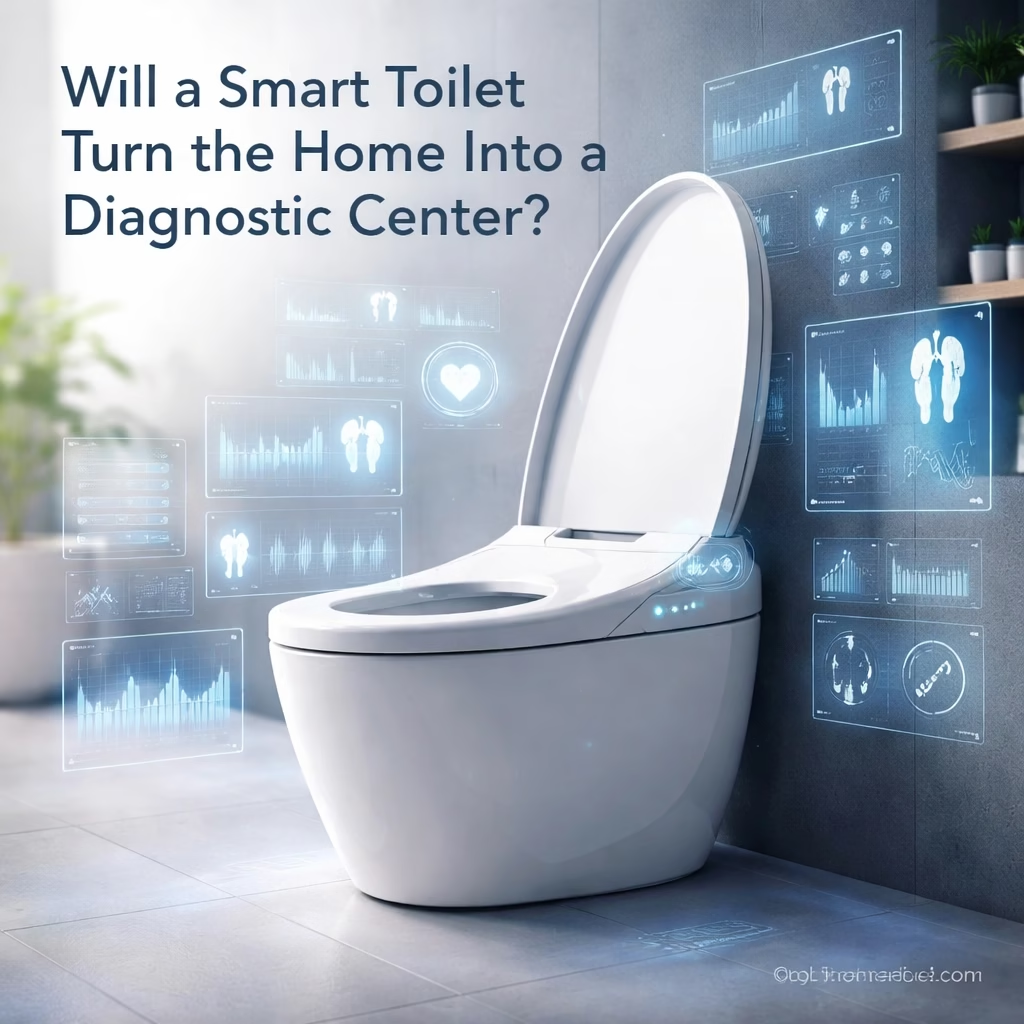
Further refinement of AI algorithms will enhance diagnostic accuracy, reduce false positives or negatives, and provide more actionable insights. The goal is to move beyond mere data collection to predictive analytics that can anticipate health issues. Simultaneously, cost reduction through economies of scale will be vital to make these devices accessible to a broader demographic.
Looking ahead, within the next five to ten years, we can expect to see a significant increase in the availability of consumer-grade smart toilets offering a range of wellness monitoring features. Medical-grade diagnostic capabilities, cleared by regulatory bodies, are likely to follow, particularly for specific chronic disease management. The ultimate vision is a fully integrated smart home ecosystem where the toilet, alongside other connected devices, contributes to a holistic and proactive approach to personal health.