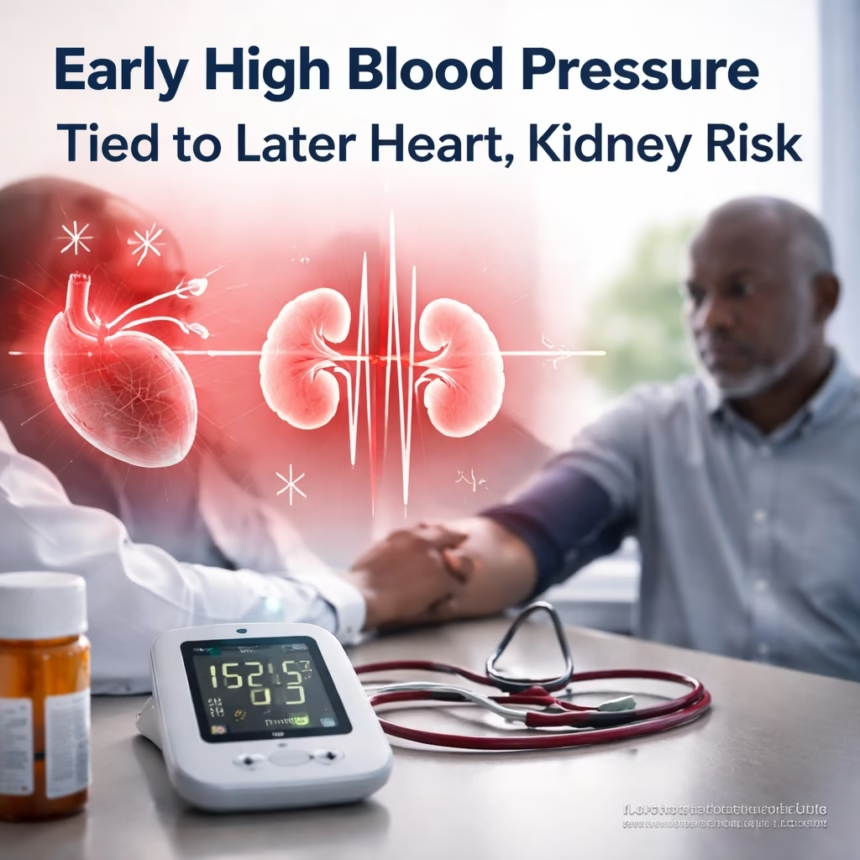
Silent Threat Uncovered: Early Blood Pressure Spikes Predict Lifelong Organ Damage
New research has unveiled a critical link between elevated blood pressure in young adulthood and a significantly increased risk of heart and kidney disease decades later. Conducted by a team at Northwestern University Feinberg School of Medicine, the groundbreaking findings were recently published in the prestigious journal Circulation, underscoring the long-term implications of early cardiovascular health.
The study highlights how even seemingly minor blood pressure elevations in individuals as young as 18 can set the stage for serious health complications later in life, challenging previous assumptions that focused primarily on middle-aged and older adults.
Background: The Shifting Understanding of Hypertension
For decades, high blood pressure, or hypertension, has been widely recognized as a "silent killer," often progressing without noticeable symptoms until severe damage occurs. Historically, medical focus and public health campaigns predominantly targeted older populations, where the prevalence and immediate risks of hypertension were most apparent.
However, the landscape of cardiovascular health has been subtly shifting. In recent years, clinicians have observed a concerning trend: an earlier onset of hypertension among adolescents and young adults. This demographic shift is often attributed to modern lifestyle factors, including increased consumption of processed foods, sedentary habits, and rising rates of obesity.
The Silent Epidemic Among Youth
While the full ramifications of this early onset were not always clear, a growing body of evidence suggested that even "pre-hypertension" or "elevated blood pressure" in younger individuals might not be as benign as once thought. These early elevations, often dismissed as transient or less urgent, represent a critical window for intervention.

Previous longitudinal studies, such as the Framingham Heart Study, provided foundational insights into cardiovascular risk factors over a lifespan. Yet, specific, long-term data tracking the precise impact of blood pressure trajectories from young adulthood into middle age, particularly regarding organ damage, remained less comprehensive.
The urgency for more targeted research grew as healthcare providers noticed an uptick in young adults presenting with early signs of cardiovascular strain, such as left ventricular hypertrophy (enlargement of the heart's main pumping chamber) or subtle indicators of kidney dysfunction, long before the typical age of diagnosis.
Key Developments: The 30-Year Longitudinal Data
The recent Northwestern study leveraged data from the Coronary Artery Risk Development in Young Adults (CARDIA) study, an ongoing, landmark observational study that began in 1985. CARDIA has meticulously tracked the health of over 5,115 Black and White participants aged 18-30 from four major U.S. cities: Birmingham, Alabama; Chicago, Illinois; Minneapolis, Minnesota; and Oakland, California.

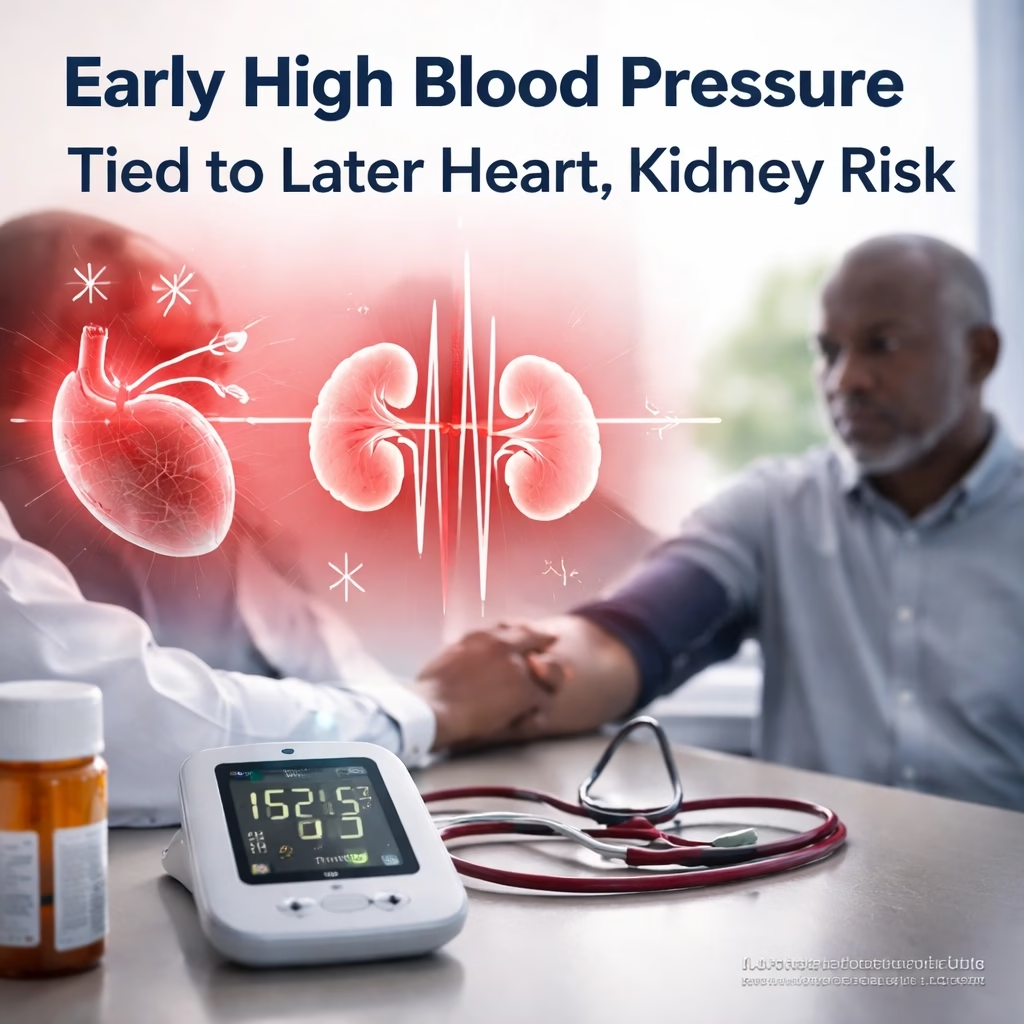
Over a remarkable 30-year follow-up period, researchers continuously monitored participants' blood pressure levels, alongside a comprehensive suite of other health metrics. This extensive dataset allowed for an unprecedented analysis of how blood pressure patterns in early adulthood correlated with specific health outcomes three decades later.
Quantifying the Risk
The findings were stark. The study revealed that young adults with even mildly elevated blood pressure (systolic 120-129 mmHg and diastolic less than 80 mmHg) or Stage 1 hypertension (systolic 130-139 mmHg or diastolic 80-89 mmHg) faced a significantly higher risk of developing heart and kidney damage by middle age, compared to those with consistently normal blood pressure.
Specifically, participants who experienced elevated blood pressure in their 20s and 30s were found to have a two to three times greater likelihood of developing left ventricular hypertrophy. They also showed a markedly increased risk of chronic kidney disease indicators, including reduced glomerular filtration rate (a measure of kidney function) and albuminuria (excess protein in the urine).
Crucially, the study emphasized that these risks were independent of other traditional cardiovascular risk factors that developed later in life, such as obesity, diabetes, or high cholesterol. This suggests that early blood pressure elevations themselves are potent predictors of future organ damage, not merely proxies for later health problems.
The research refined the understanding of "cumulative blood pressure burden," demonstrating that the total exposure to higher blood pressure over time, starting from a younger age, is a critical determinant of long-term organ health. This nuanced perspective moves beyond single-point measurements to consider the entire trajectory of an individual's blood pressure profile.
More Read

Impact: Reshaping Health Strategies and Patient Care
The implications of these findings are profound, affecting individuals, healthcare providers, public health policy, and even healthcare economics. Young adults, who often perceive themselves as invulnerable to chronic diseases, are now squarely placed within a critical window for preventative intervention.
For individuals, the study underscores the urgent need for regular blood pressure monitoring, even in seemingly healthy years. It challenges the complacency often associated with "normal for my age" blood pressure readings, pushing for a more proactive stance on cardiovascular health from early adulthood.
Shifting Clinical Paradigm
Healthcare providers are now faced with compelling evidence to advocate for earlier and more aggressive management of elevated blood pressure in younger patients. This could lead to a shift in clinical guidelines, potentially lowering the threshold for intervention or increasing the frequency of screenings for young adults.
The study also highlights significant disparities in health outcomes. Black adults, for instance, were observed to have higher rates and earlier onset of hypertension and its complications. This finding reinforces the need for culturally competent public health initiatives and targeted interventions to address systemic inequities in healthcare access and outcomes.
From a public health perspective, the economic burden of heart failure and end-stage renal disease (ESRD) is immense, costing billions annually in medical expenses and lost productivity. By identifying early risk factors, this research offers a pathway to reduce these costs through preventative strategies, shifting the focus from treatment to early intervention.
Insurance companies and policymakers may also find these results compelling, potentially influencing coverage for preventative screenings, lifestyle modification programs, and early pharmacological interventions. Investing in prevention during young adulthood could yield substantial long-term savings and improve population health.
What Next: Towards Proactive Prevention and Policy Changes
The Northwestern study serves as a powerful call to action, setting the stage for several expected milestones in cardiovascular health. Foremost among these is the anticipated re-evaluation of national and international clinical guidelines for blood pressure screening and management in young adults.
Medical organizations such as the American Heart Association (AHA) and the American College of Cardiology (ACC) are likely to incorporate these findings into updated recommendations, emphasizing the importance of consistent blood pressure monitoring from late adolescence through young adulthood. This could mean more frequent checks during routine physicals and a lower threshold for initiating lifestyle changes or medication.
Innovations in Screening and Intervention
Further research will undoubtedly focus on identifying specific genetic, environmental, and behavioral factors that contribute to early blood pressure elevation. This could lead to the development of new diagnostic tools or biomarkers that can more accurately predict an individual's long-term risk even before significant blood pressure changes manifest.
Public health campaigns are expected to amplify messages about the importance of heart-healthy lifestyles from a young age. These initiatives will likely target schools, universities, and workplaces, promoting balanced nutrition, regular physical activity, adequate sleep, and effective stress management techniques as crucial preventative measures.
Technological advancements, including wearable devices and telehealth platforms, could play an increasingly vital role in continuous blood pressure monitoring and personalized health coaching. These tools offer opportunities for individuals to take a more active role in managing their cardiovascular health proactively, providing real-time data to both patients and their healthcare providers.
Ultimately, the goal is to shift the paradigm from reactive treatment of established disease to proactive prevention, ensuring that the next generation of adults can avoid the debilitating consequences of heart and kidney disease that stem from unchecked blood pressure in their formative years. This research marks a pivotal step in that direction, offering a clearer roadmap for a healthier future.