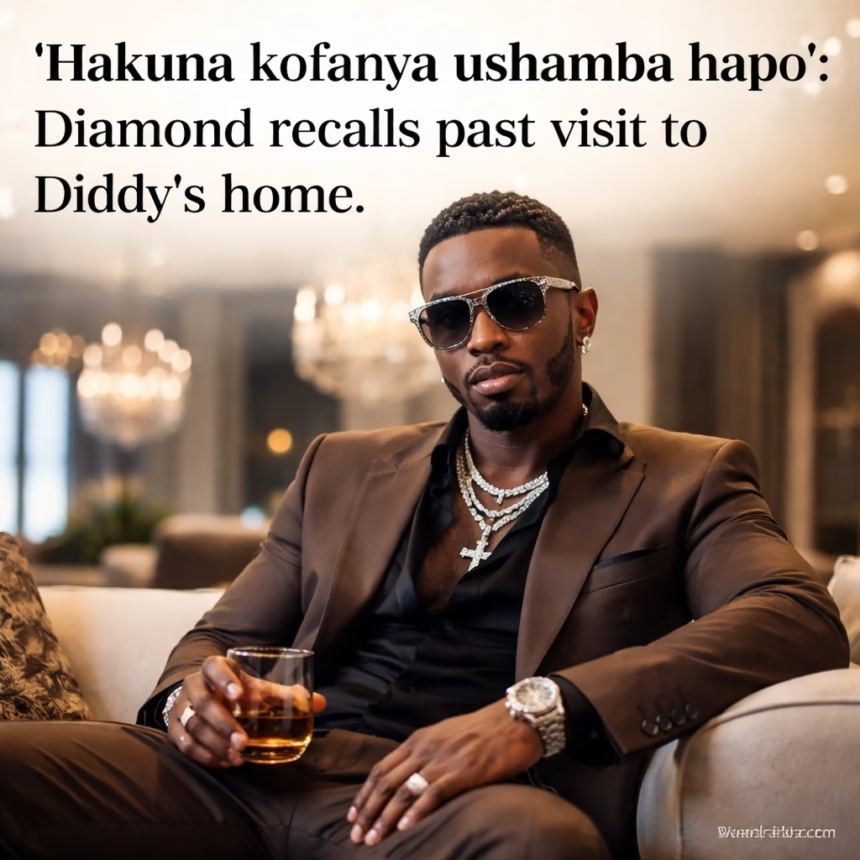
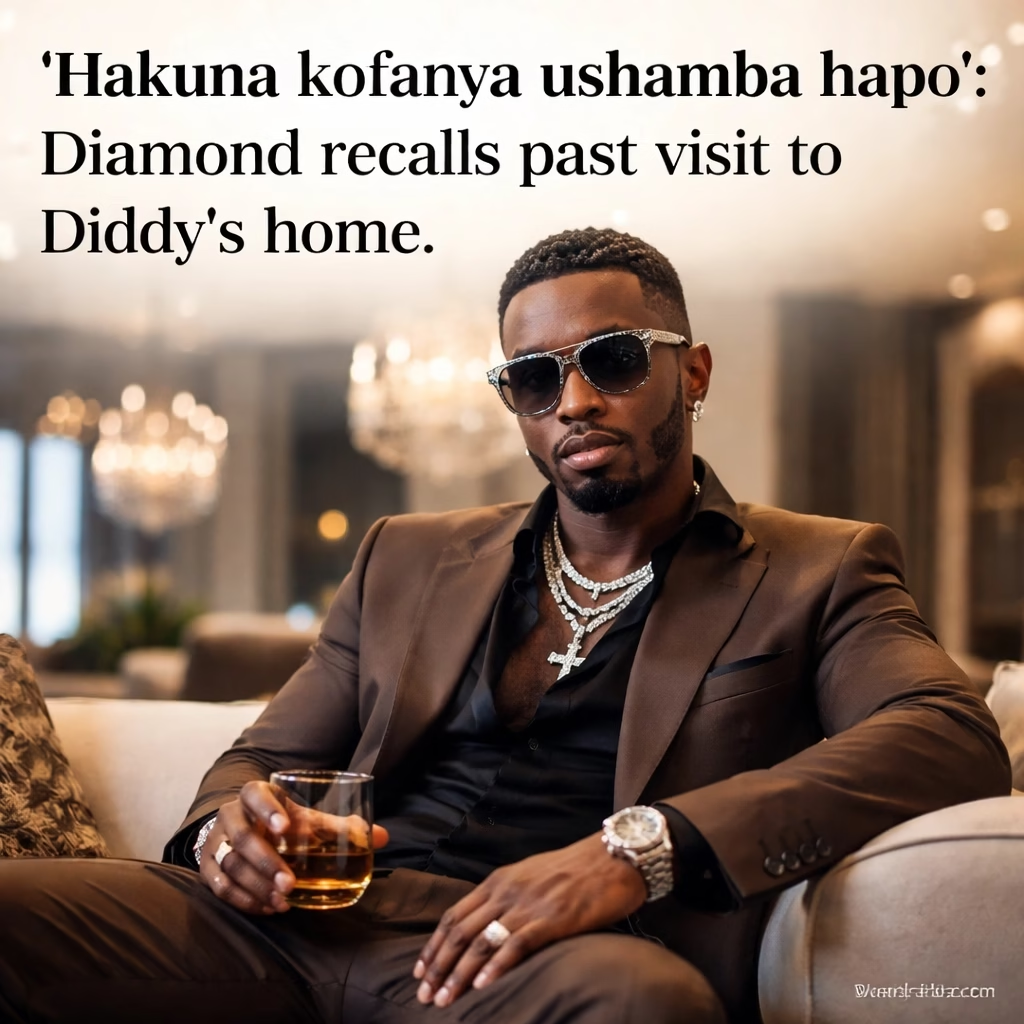
Tanzanian music superstar Diamond Platnumz recently shared a candid recollection of a past visit to Sean "Diddy" Combs' residence, emphasizing the specific behavioral expectations he observed. The Bongo Flava icon recounted his experience, stating that "Hakuna kufanya ushamba hapo" – a Swahili phrase roughly translating to "There's no doing village behavior there" or "No unsophisticated acts allowed." This revelation, made during a recent interview, offers a unique glimpse into the highly controlled environment maintained by the American music mogul.
Background: A Confluence of Musical Titans
The interaction between Diamond Platnumz and Diddy represents a significant moment in the ongoing globalization of music, particularly the rise of African artists on the world stage. Diamond Platnumz, born Naseeb Abdul Juma Issack, is widely regarded as one of Africa's most influential and successful musicians. Hailing from Tandale, Dar es Salaam, Tanzania, he established his record label WCB Wasafi (Wasafi Classic Baby) in 2016, which has since become a powerhouse in East African music. His career, spanning over a decade, is marked by numerous hit songs, international collaborations, and a distinctive blend of Bongo Flava, Afrobeats, and R&B. His global aspirations have consistently driven him to seek connections and experiences within the international music industry, including interactions with American artists and executives.
Sean "Diddy" Combs, on the other hand, is a foundational figure in American hip-hop and entertainment. As a rapper, record producer, and entrepreneur, Diddy founded Bad Boy Records in 1993, launching the careers of numerous iconic artists and shaping the sound of a generation. His business acumen extends beyond music into fashion, spirits, and media, building an empire that has garnered him immense wealth and influence. Diddy's residences, particularly his lavish estates in Los Angeles and Miami, are known for hosting high-profile gatherings, industry meetings, and exclusive events, often serving as nerve centers for entertainment deals and celebrity networking.
The specific timing and context of Diamond Platnumz's visit to Diddy's home are not widely publicized, but such interactions are commonplace as African artists increasingly bridge geographical and cultural divides to collaborate and learn from their Western counterparts. These visits often serve as networking opportunities, potential pathways for future collaborations, or simply a chance to experience the operational dynamics of the global music industry at its highest echelons. For an artist like Diamond, who consistently aims to elevate his brand and expand his international reach, observing the protocols and standards of a figure like Diddy would be a valuable experience.
The Swahili phrase "Hakuna kufanya ushamba hapo" carries a nuanced cultural weight. "Ushamba" literally refers to "villageness" or "rustic behavior," often implying a lack of sophistication, urbanity, or adherence to modern social graces. In the context of a high-profile, opulent setting like Diddy's home, Diamond's statement suggests an environment where a certain level of decorum, professionalism, and understanding of elite social codes is expected. It implies a departure from more informal or culturally specific behaviors that might be acceptable in different settings, highlighting the universal demand for polished conduct in certain upper-echelon circles.
More Read

Key Developments: A Timely Anecdote Amidst Scrutiny
Diamond Platnumz's recent recollection of his visit to Diddy's home gained particular traction due to its timing. The Tanzanian artist shared his experience during an interview, providing a rare glimpse into the private world of the American mogul. While the initial visit itself likely occurred some years ago, its current retelling comes amidst a period of intense public scrutiny and legal challenges for Sean Combs. Diddy has faced multiple civil lawsuits alleging sexual assault and misconduct, leading to federal investigations and a significant downturn in his public image and business operations. These developments have placed his personal life, his residences, and the activities that transpired within them under an unprecedented microscope.
Diamond's anecdote, though seemingly innocuous, offers a unique, external perspective on the atmosphere Diddy cultivated. The emphasis on "no village behavior" suggests an environment characterized by strict order, high standards, and perhaps a certain level of formality or control. This observation, from a respected international peer, provides a contrasting narrative to some of the more sensational claims circulating about Diddy's properties and lifestyle. It paints a picture of a meticulously managed space where a specific code of conduct was enforced, at least from Diamond's vantage point during his visit.
More Read

The revelation quickly circulated among fans and media outlets, particularly within East African entertainment circles. It sparked discussions about the cultural differences in celebrity interactions, the expectations placed on artists when navigating international waters, and the perceived "sophistication" required to thrive in global entertainment hubs. Diamond's ability to articulate this observation in a culturally resonant Swahili phrase further amplified its impact, making it relatable to his vast African fanbase while simultaneously offering insight into the universal dynamics of high-level celebrity interactions.
Impact: Shaping Perceptions and Cultural Dialogue
Diamond Platnumz's candid remark has had several notable impacts, both on his own public image and on the broader cultural conversation surrounding Diddy. For Diamond, the statement reinforces his status as a globally aware and sophisticated artist. By demonstrating an acute understanding of international social etiquette and the demands of high-profile environments, he solidifies his brand as one that transcends regional boundaries. It positions him as an artist who not only visits but also observes and adapts to diverse cultural settings, a crucial trait for global success. This further elevates his credibility among his peers and fans who aspire to similar international recognition.
Conversely, for Diddy, the anecdote offers a nuanced, albeit indirect, contribution to the ongoing public discourse surrounding him. While his legal troubles dominate headlines, Diamond's memory of a controlled and decorous environment at Diddy's home provides a different facet to the mogul's public persona. It suggests that, at least in certain interactions, Diddy maintained a strict adherence to particular standards, which could be interpreted in various ways – from a commitment to professionalism to a desire for absolute control over his surroundings. This external validation, even if about a past event, adds another layer to the complex public perception of Diddy.
Beyond individual artists, the statement also ignited a cultural dialogue. The concept of "ushamba" and its antithesis in a high-glamour setting highlights the continuous negotiation of cultural identity and adaptation for artists operating across different continents. It prompts reflection on how African artists navigate Western spaces, what expectations are placed upon them, and how they interpret and integrate these experiences into their own artistic and personal development. This dialogue is crucial for understanding the evolving landscape of global entertainment and the cross-cultural exchanges that define it.
What Next: Global Aspirations and Evolving Narratives
The ripple effects of Diamond Platnumz's recollection are likely to continue influencing discussions about his global ambitions and Diddy's evolving public narrative. For Diamond, this anecdote serves as another testament to his commitment to international growth. His career trajectory suggests continued efforts to collaborate with global artists, expand his WCB Wasafi empire, and solidify his position as an African music ambassador. Future milestones for Diamond will likely include more international tours, strategic partnerships with global labels, and perhaps even further ventures into film or fashion, leveraging the sophistication and adaptability he demonstrated in his observation of Diddy's home. His ability to connect with diverse audiences, understand varied cultural norms, and articulate these experiences will be key to his sustained international relevance.
For Diddy, the path forward remains complex and challenging. While Diamond's anecdote offers a small, specific historical detail, it does not overshadow the serious legal and reputational issues he currently faces. The ongoing investigations and lawsuits will continue to shape his public narrative for the foreseeable future. However, historical accounts from peers, even seemingly minor ones, can contribute to a broader, more textured understanding of his past conduct and the environments he cultivated. As Diddy navigates these turbulent times, every past interaction, no matter how brief, can be re-examined through the lens of current events.
More broadly, the incident underscores the increasing interconnectedness of the global music industry. As African music continues its meteoric rise, more artists like Diamond Platnumz will engage with established figures and institutions in the West. These interactions will invariably lead to further cultural exchanges, mutual learning, and perhaps even more candid observations about the nuances of navigating different entertainment landscapes. The conversation sparked by "Hakuna kufanya ushamba hapo" serves as a reminder of the blend of ambition, cultural awareness, and adaptability required for artists to thrive on the world's biggest stages. The entertainment world will watch closely as these narratives continue to unfold, shaping perceptions and forging new pathways for global collaboration.