Bayou State Showdown: Louisiana Voters Navigate Complex Choices with Resolve
Bayou State Showdown: Louisiana Voters Navigate Complex Choices with Resolve
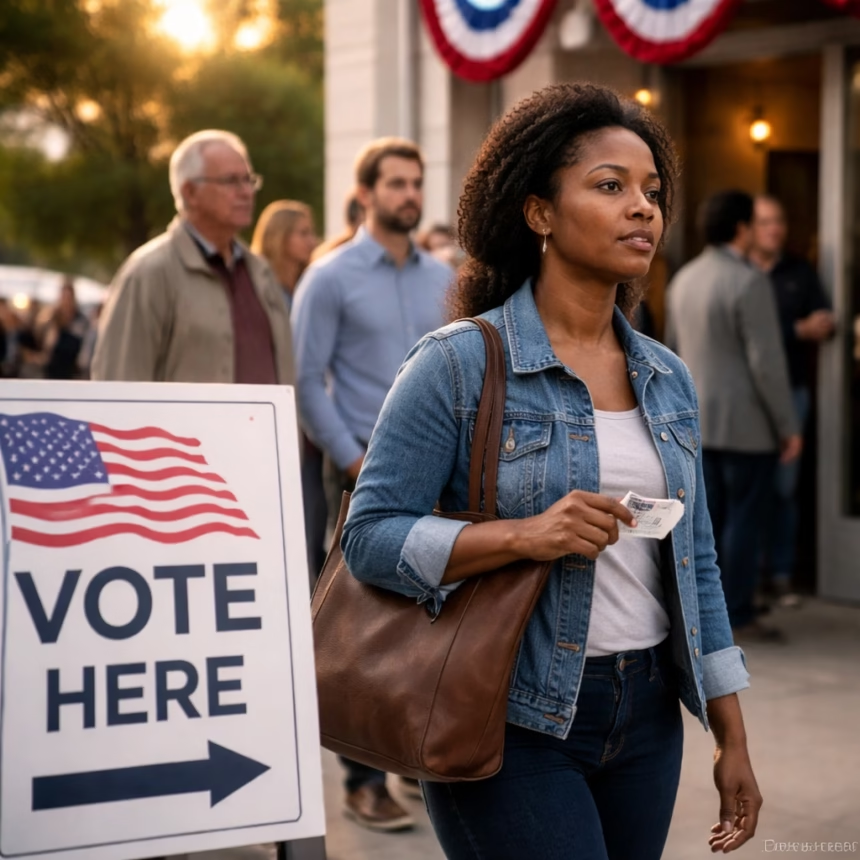
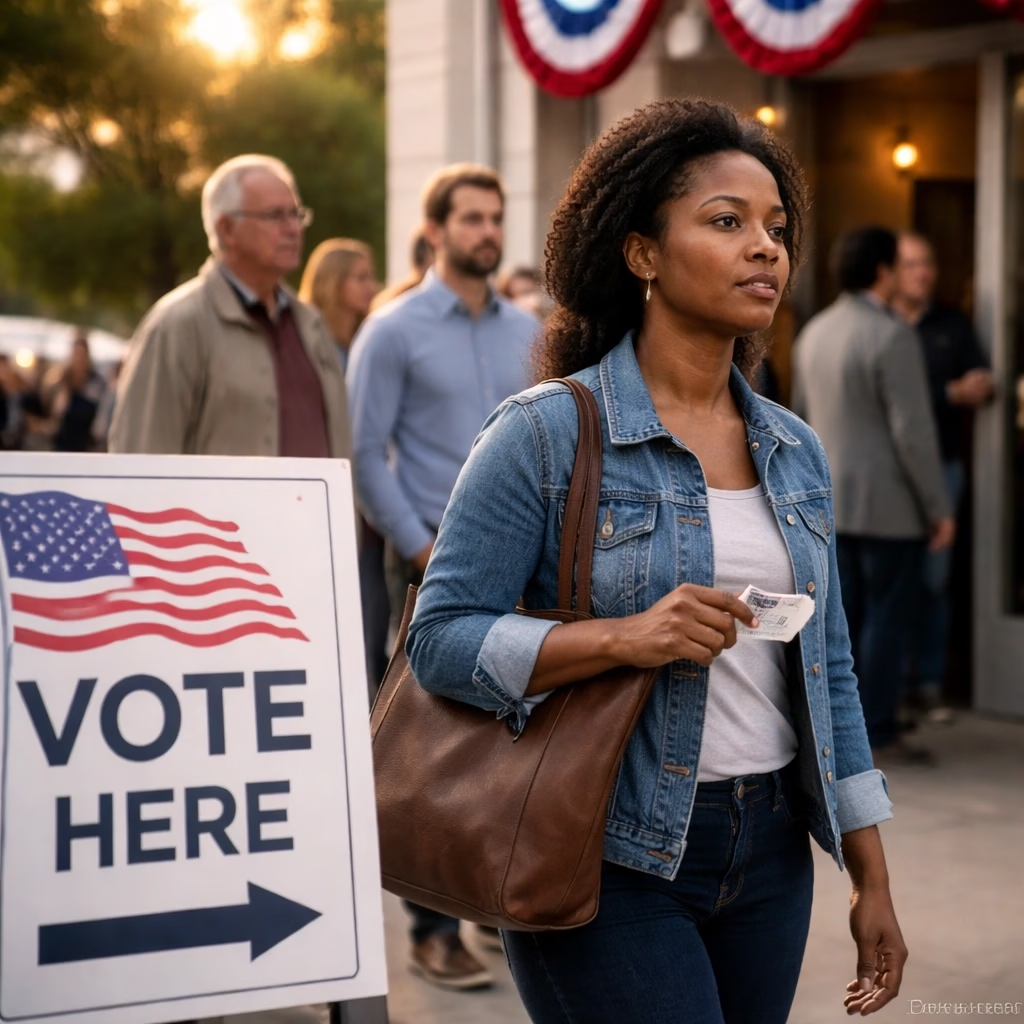
Voters across Louisiana are heading to the polls today, participating in a pivotal election that will shape the state's political landscape for years to come. Amidst a backdrop of economic shifts and social debates, citizens are casting their ballots, many expressing a mix of apprehension and firm resolve regarding their choices.
Background: A State at the Crossroads
Louisiana’s political landscape is as unique and complex as its cultural heritage. The state operates under an “open primary” system, often referred to as a “jungle primary,” where all candidates, regardless of party affiliation, compete on a single ballot. If no candidate secures more than 50% of the vote, the top two contenders proceed to a runoff election, typically held several weeks later. This system often leads to unpredictable outcomes and intense campaigning.
Historical Context and Economic Realities
Historically, Louisiana has grappled with significant challenges, including a heavy reliance on the oil and gas industry, which has faced volatility in recent decades. Efforts to diversify the economy, invest in renewable energy, and bolster tourism have been ongoing but slow. The state also contends with the escalating impacts of climate change, particularly coastal erosion and increasingly severe hurricane seasons, which place immense strain on infrastructure and local communities.
More Read

Previous electoral cycles have seen a mix of partisan outcomes. While the state leans Republican in federal elections, recent gubernatorial races have demonstrated a willingness among voters to elect candidates who they believe can best address their immediate concerns, sometimes crossing party lines. This history of independent decision-making underscores the current climate of uncertainty, where voters prioritize pragmatic solutions over strict party loyalty.
Key Developments: Campaigns Culminate Amidst Tensions
The current election cycle has been characterized by intense competition and a focus on issues directly impacting the daily lives of Louisianans. High-profile races, particularly for governor and attorney general, have seen candidates engage in vigorous debates and extensive outreach, often highlighting starkly different visions for the state’s future.

The Gubernatorial Showdown
The race for governor, in particular, has captivated statewide attention. Incumbent Governor Marcus Thorne (R) faces a formidable challenge from State Senator Emily Dubois (D) and independent businessman David Landry. Debates have centered on pressing issues such as rising property insurance rates, the escalating crime rates in major urban centers like New Orleans and Baton Rouge, and the future of education funding.
Voters have been bombarded with campaign ads focusing on everything from the state’s budget surplus utilization to reproductive rights and gun control. Polling data leading up to Election Day indicated a tight contest, with no single candidate consistently holding a commanding lead, further fueling the sense of uncertainty among the electorate regarding a first-round victory.
Local Races and Amendments
Beyond the statewide offices, numerous legislative seats and local positions are also being decided. These races often have a more direct and immediate impact on communities, influencing everything from local zoning laws to school board policies. Several constitutional amendments are also on the ballot, proposing changes to tax structures, environmental regulations, and judicial processes. These amendments, often complex and nuanced, require voters to delve into detailed proposals, adding another layer of deliberation to their choices.
Early voting turnout figures have shown robust participation, suggesting a determined electorate eager to make their voices heard despite the prevailing sense of indecision on specific candidates. Community organizers and non-partisan groups have worked tirelessly to ensure voters are informed about the various propositions and candidates, emphasizing the importance of every ballot cast.
Impact: Shaping Louisiana’s Future
The outcomes of today’s elections will have far-reaching consequences, influencing policy decisions that touch every facet of life for Louisiana residents. From the bayous to the bustling cities, the choices made at the polls will determine the state’s trajectory on critical issues for the next four years and beyond.
Economic Repercussions
The next administration will inherit significant economic responsibilities. Decisions regarding tax incentives for businesses, investments in infrastructure projects, and strategies for managing the state’s budget surplus or potential deficits will directly impact job creation, economic growth, and the cost of living. Policies affecting the energy sector, particularly those balancing traditional industries with renewable energy initiatives, will be crucial for the state’s long-term financial stability.
More Read

For coastal communities, the election’s impact on coastal restoration funding and flood protection initiatives is paramount. Rising sea levels and more intense storms threaten livelihoods and homes, making the commitment of elected officials to these programs a defining factor for residents in areas like Plaquemines Parish and Grand Isle.
Social Policy Shifts
Social issues also stand at the forefront. The composition of the state legislature and the governor’s office will largely dictate the direction of policies on healthcare access, particularly concerning rural hospitals and Medicaid expansion. Education reform, including teacher pay, school choice initiatives, and curriculum development, remains a top priority for families and educators.
Furthermore, the election will influence criminal justice reform efforts, public safety measures, and the enforcement of existing laws. Voters concerned about rising crime rates are looking for clear strategies from candidates, while advocates for systemic reform seek leaders committed to equitable justice. The balance struck by new leadership on these sensitive issues will profoundly affect the social fabric of Louisiana.
What Next: The Road Ahead
As polling stations close across Louisiana, the immediate focus will shift to vote tabulation and the anticipation of results. However, for many races, Election Day may only mark the beginning of the electoral process.
The Prospect of Runoffs
Given Louisiana’s open primary system and the close nature of several key contests, the likelihood of runoff elections is significant. If no candidate in a particular race secures an outright majority on Election Day, the top two vote-getters will face each other in a second election, typically scheduled for early December. This scenario would extend the campaign season, demanding continued engagement from candidates and voters alike.
Such runoffs often see lower turnout but can be intensely competitive, as candidates consolidate support from eliminated contenders and refine their messages. The results of these runoffs would then finalize the composition of the state’s leadership, setting the stage for the transition period.
Governing Challenges Ahead
Regardless of who ultimately prevails, the newly elected officials will face a daunting array of challenges. The next legislative session will likely confront complex budget decisions, ongoing debates about infrastructure improvements, and the persistent need to address healthcare disparities and educational outcomes. The mandate from the voters, whether clear or fractured, will guide these leaders as they navigate the intricate political landscape of the Bayou State.
The determination shown by voters today, despite the uncertainties, reflects a deep commitment to their state’s future. As the results unfold, Louisiana will embark on its next chapter, shaped by the choices made at the ballot box and the resolve of its people to forge a path forward.