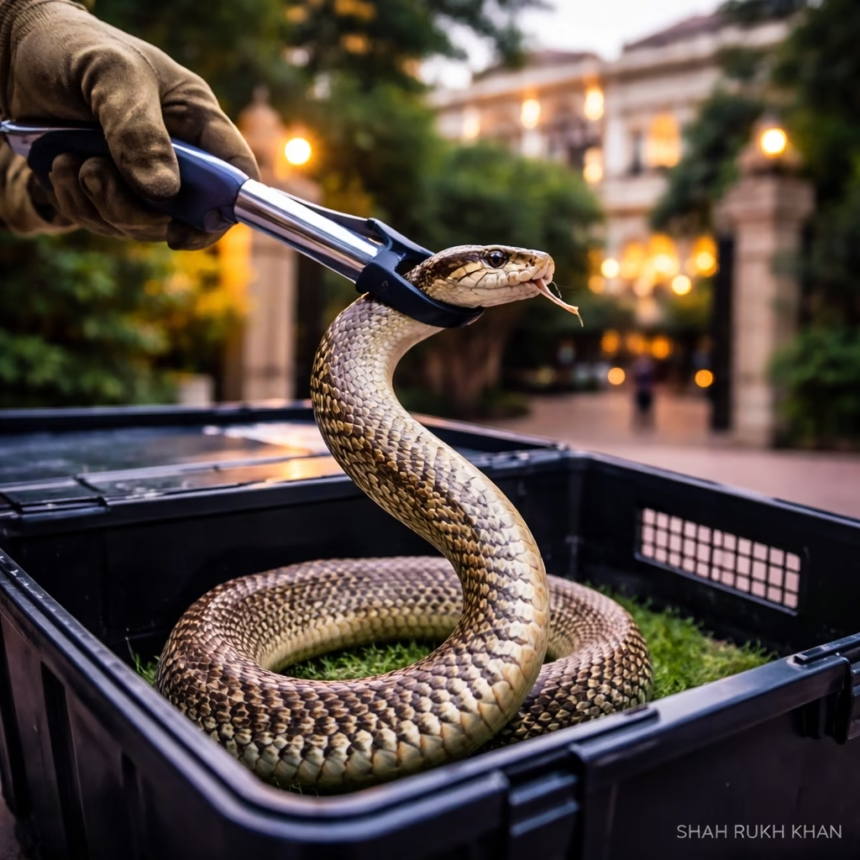
A non-venomous Indian Rat Snake was discovered and safely rescued from the sprawling premises of Mannat, the residence of Bollywood superstar Shahrukh Khan, in Bandra, Mumbai, on Tuesday afternoon, May 14, 2024. The incident, which caused a brief stir among the staff, saw a swift and professional response from a local wildlife rescue organization, ensuring the safety of both the reptile and the residents.
Background: Mumbai’s Urban Wilderness and Mannat’s Grandeur
Mannat, an iconic sea-facing bungalow in Bandra, Mumbai, is not only a symbol of celebrity status but also a significant landmark, drawing thousands of fans daily. Its extensive gardens and proximity to the Arabian Sea, coupled with Mumbai's unique ecological landscape, occasionally lead to encounters with urban wildlife. Despite being one of the world's densest megacities, Mumbai boasts remarkable biodiversity, largely due to the presence of the Sanjay Gandhi National Park (SGNP), Aarey Milk Colony, and numerous mangrove forests that serve as vital green lungs and wildlife corridors.
These natural pockets allow various species, including different types of snakes, civets, mongooses, and even leopards, to coexist, often precariously, with human populations. Snake sightings, while not daily occurrences, are not uncommon in areas with gardens, open plots, or near natural habitats. Common species found in Mumbai include the non-venomous Indian Rat Snake, Checkered Keelback, and Trinket Snake, as well as venomous species like the Spectacled Cobra, Russell's Viper, Common Krait, and Saw-scaled Viper. Public awareness regarding snake identification and safe handling is crucial to prevent harm to both humans and these often misunderstood creatures.
Key Developments: The Discovery and Swift Rescue Operation
The incident unfolded around 2: 30 PM on Tuesday when a member of Mannat's maintenance staff spotted a long, slender snake near a peripheral garden wall within the property. Recognizing the potential danger and the importance of a professional approach, the staff immediately contacted the Wildlife Welfare Association (WWA), a Mumbai-based organization renowned for its expertise in urban wildlife rescue.
Upon receiving the distress call, a two-member rescue team from WWA, equipped with specialized snake-handling gear including hooks, tongs, and secure transportation bags, swiftly arrived at the Bandra residence. The rescuers, identified as Mr. Rohan Parab and Ms. Anjali Sharma, quickly assessed the situation. They identified the snake as an Indian Rat Snake (Ptyas mucosa), a non-venomous species known for its agility and preference for rodent prey, often found in human habitations. These snakes can grow quite large, sometimes exceeding two meters, and are often mistaken for venomous species due to their size and swift movements, leading to unnecessary panic.
More Read

The rescue operation itself was meticulous and performed with utmost care. Using their hooks, the team gently guided the snake into a specialized bag, ensuring it remained calm and uninjured throughout the process. The entire operation, from arrival to safe containment, lasted approximately 20 minutes. Shahrukh Khan was reportedly not present at the exact location of the discovery at the time, and his family members were informed of the situation and the successful rescue. The incident served as a testament to the efficient protocols in place at the iconic residence for handling unexpected situations.
The Role of Wildlife Rescuers
Wildlife rescue organizations like WWA play an indispensable role in urban environments. Their trained volunteers respond to hundreds of calls annually, ranging from snake rescues to bird injuries and even larger mammal interventions. They not only ensure the safe removal of animals from human-dominated spaces but also educate the public on coexistence and the importance of wildlife conservation. Their expertise is vital in distinguishing between venomous and non-venomous species, a critical skill that prevents harm to both humans and animals.
Impact: Raising Awareness and Reinforcing Coexistence
The discovery of a snake at a high-profile location like Mannat, though a minor incident in itself, inevitably garners significant media attention due to Shahrukh Khan's celebrity status. This heightened visibility serves a crucial purpose: it elevates public awareness about urban wildlife encounters and the responsible way to manage them. The incident underscores that even in the most protected and manicured environments, nature finds a way to assert its presence, highlighting the delicate balance between urban development and natural ecosystems.
More Read

For the residents and staff of Mannat, the immediate impact was a moment of apprehension quickly resolved by professional intervention. Beyond the momentary disruption, the event reinforces the importance of maintaining a vigilant yet respectful attitude towards local wildlife. It also showcases a positive example of how to react to such situations – by contacting experts rather than attempting self-rescue or harming the animal.
The broader impact extends to the general public, reminding Mumbai residents that sightings of snakes and other wildlife are a natural part of living in a city with rich biodiversity. It reinforces the message that most snakes are harmless and play a vital role in the ecosystem, primarily by controlling rodent populations. The incident encourages people to learn more about local wildlife, understand the difference between venomous and non-venomous species, and most importantly, to know whom to call when an encounter occurs. This responsible approach is crucial for fostering a harmonious coexistence between humans and the natural world.
What Next: Release, Prevention, and Public Education
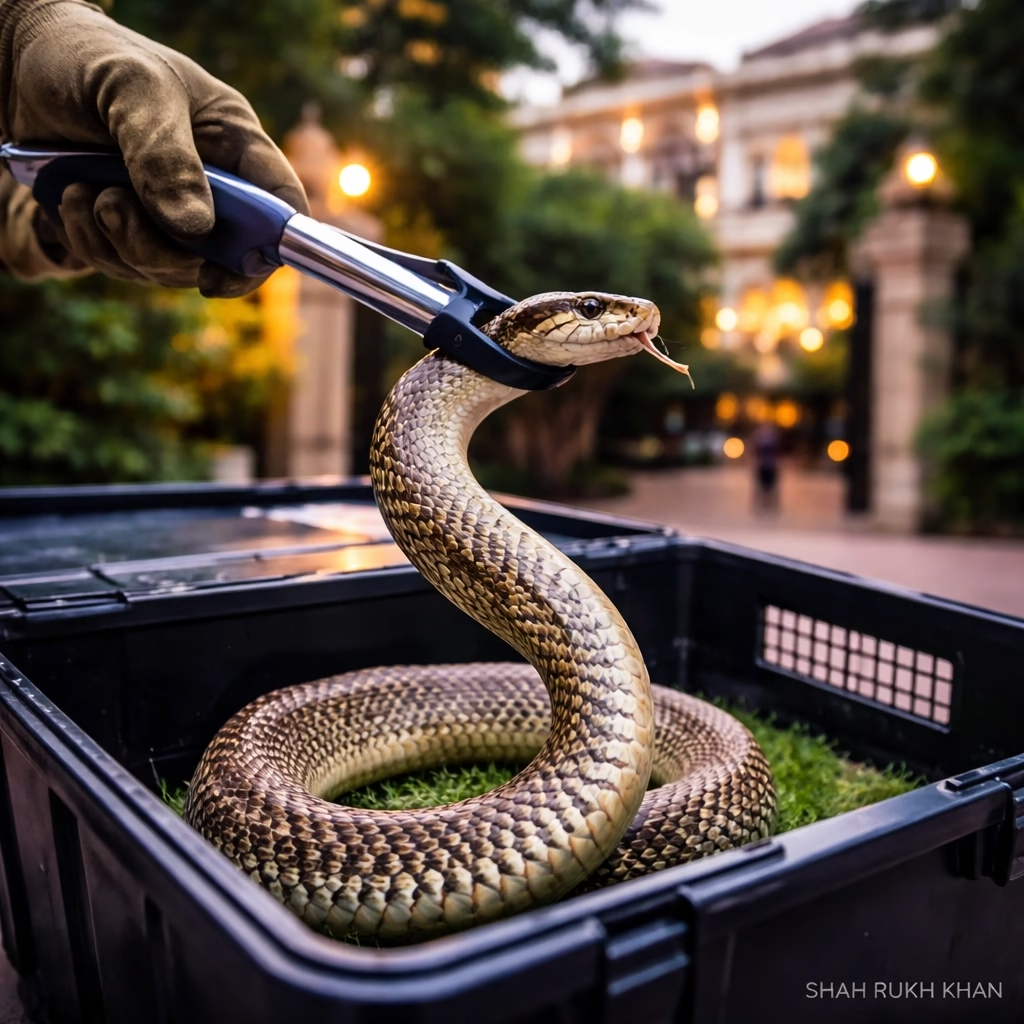
Following its successful rescue, the Indian Rat Snake was transported to a temporary holding facility by the WWA team. After a brief observation period to ensure its health and well-being, the snake is scheduled to be released into a suitable natural habitat far from human habitation. Typically, such releases occur in designated forest areas or buffer zones, such as those within or adjacent to the Sanjay Gandhi National Park, where the snake can thrive without posing a risk to people. The release process is carefully managed to minimize stress on the animal and maximize its chances of survival in its natural environment.
For Mannat and other large properties in urban areas, the incident also prompts a review of preventative measures. Wildlife experts often advise property owners to maintain their gardens meticulously, clear away debris, trim overgrown bushes, and seal any potential entry points into buildings. These measures help deter snakes and other small animals from seeking shelter or food within residential premises. Regular pest control can also reduce the presence of rodents, which are a primary food source for snakes, thereby making the area less attractive to them.
The incident serves as a renewed call for public education. Authorities and wildlife organizations consistently urge citizens not to panic when encountering a snake. Instead, the recommended protocol is to maintain a safe distance, keep an eye on the snake's location, and immediately contact professional snake rescuers or the local forest department. Attempting to catch or harm a snake without proper training can lead to dangerous consequences for both the person and the animal. The legal framework in India, specifically the Wildlife Protection Act of 1972, also protects most snake species, making it illegal to kill or injure them. Continued public awareness campaigns are essential to ensure that such encounters are handled safely and responsibly, promoting a better understanding and appreciation of Mumbai's unique urban wildlife.