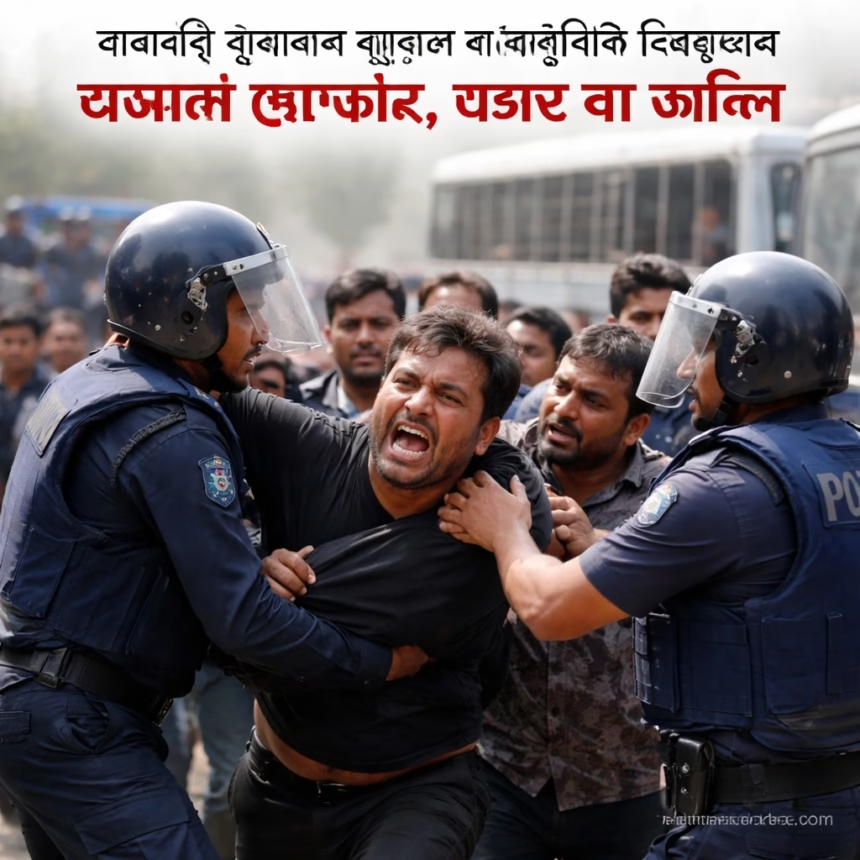
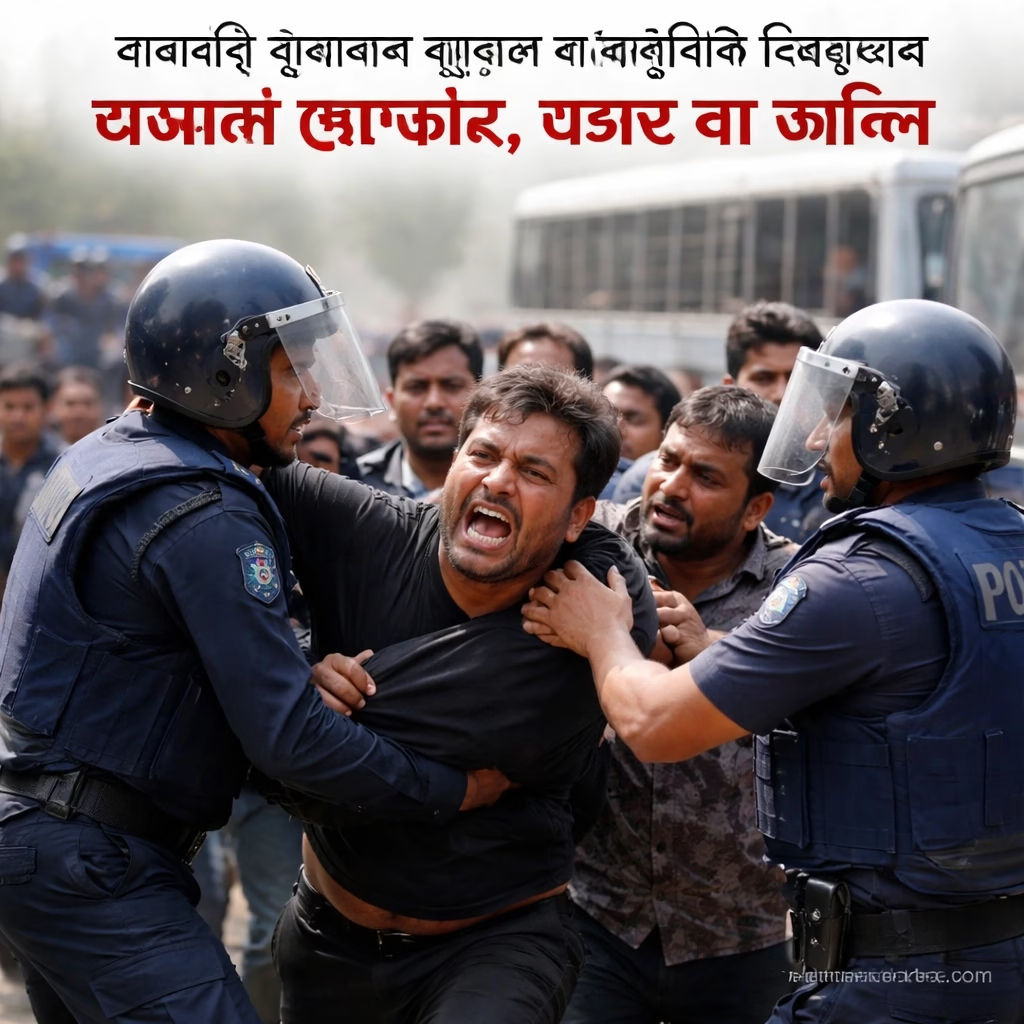
Bangladesh is currently grappling with a severe human rights crisis, as an interim government tasked with overseeing free and fair elections faces mounting criticism over the politically motivated arrest of thousands of individuals. Since its inception, the caretaker administration has presided over a period marked by mass detentions and an alarming rate of bail rejections, raising serious concerns about due process and the impartiality of the justice system across the nation.
Background: A Nation on Edge
The current political turbulence in Bangladesh escalated dramatically in late 2023, following widespread protests and demands for an impartial caretaker government to supervise the upcoming general election. The previous administration's refusal to concede to these demands led to a deeply polarized political landscape, characterized by street clashes, hartals (strikes), and allegations of widespread political repression. Amidst this volatile environment, an interim government was eventually formed, ostensibly to de-escalate tensions and ensure a credible electoral process.
The Path to Interim Rule
The formation of the interim government, though initially seen by some as a step towards resolving the political impasse, quickly became controversial. Its mandate was clear: to maintain law and order and facilitate a fair election within a specified timeframe. However, human rights organizations and opposition groups soon began reporting a sharp increase in arrests, primarily targeting members and sympathizers of opposition parties. This pattern suggested a deviation from the neutral role expected of a caretaker administration.
Historical Precedent and Renewed Fears
Bangladesh has a complex history with caretaker governments and political arrests. Past interim administrations have also faced accusations of bias, but the scale and nature of the current detentions have drawn particular alarm. Legal experts and civil society members recall previous periods of political crackdown, expressing fears that the current situation could undermine the very democratic principles the interim government was meant to uphold. The memory of past political violence and the weaponization of legal processes against opponents looms large over the current scenario.
Key Developments: A Surge in Detentions and Judicial Inertia
Since the interim government assumed power, various human rights watchdogs and legal aid organizations have documented a staggering number of arrests. Estimates suggest that well over 10,000 individuals, predominantly from opposition ranks, have been apprehended on a range of charges, many of which are described by lawyers as vague or politically motivated.

The Nature of Charges
The majority of those arrested face charges related to sabotage, arson, vandalism, public disorder, and inciting violence. Lawyers representing the detainees argue that these charges are often baseless, lacking concrete evidence, and are primarily used as a tool to suppress dissent and neutralize political opposition ahead of the elections. Many cases are filed under broad provisions of the Special Powers Act or the Penal Code, allowing for prolonged detention without immediate recourse to bail.
Judicial Scrutiny and Bail Denials
A critical aspect of the current crisis is the unusually high rate of bail rejections by lower courts across the country. Lawyers report that even in cases where charges appear weak or evidence is circumstantial, bail applications are consistently denied. This trend has led to allegations of judicial overreach or, more concerningly, political influence on the judiciary. High court interventions for bail have also been met with significant hurdles, often resulting in prolonged legal battles that keep detainees incarcerated for extended periods.
For instance, in Dhaka alone, human rights lawyers have reported that over 80% of bail applications for politically charged cases have been rejected in the past three months. This stark figure stands in contrast to typical judicial proceedings where bail is often granted unless there is a clear risk of flight, tampering with evidence, or further criminal activity. The lack of detailed reasoning for bail denials in many instances further fuels suspicions of political pressure.

Government’s Stance
The interim government has consistently defended its actions, stating that the arrests are necessary to maintain law and order and prevent anarchy. Officials argue that those arrested were involved in violent activities that threatened public safety and disrupted economic life. They emphasize the government's commitment to ensuring a peaceful environment for the upcoming elections, asserting that all actions are taken within the bounds of existing laws and regulations. However, these justifications have done little to quell the growing criticism from domestic and international human rights bodies.
Impact: Erosion of Trust and Human Cost
The mass arrests and bail denials have had a profound and far-reaching impact on Bangladeshi society, affecting not only the detainees and their families but also the broader political climate and public trust in institutions.
Families in Distress
Thousands of families across Bangladesh are now grappling with the sudden absence of their loved ones. Many detainees are primary income earners, and their incarceration has plunged families into severe financial hardship. The emotional toll is immense, with children separated from parents and spouses left to navigate an uncertain future. Reports from various districts highlight the desperation of families traveling long distances to court hearings, only to face repeated disappointment.
Chilling Effect on Dissent
The widespread arrests have created a palpable climate of fear, effectively chilling political dissent and free expression. Opposition activists, civil society members, and even ordinary citizens are now hesitant to voice criticism or participate in peaceful protests, fearing arbitrary detention. This suppression of dissent runs counter to the spirit of democratic participation that the interim government is supposed to foster.
Undermining Democratic Processes
The current situation severely jeopardizes the prospect of a free and fair election. With key opposition figures and grassroots activists behind bars, their ability to organize, campaign, and mobilize support is severely hampered. This creates an uneven playing field, raising questions about the legitimacy and credibility of any election held under such circumstances. International observers have already expressed concerns about the fairness of the electoral process given the current political climate.
More Read

International Condemnation
Human rights organizations like Amnesty International and Human Rights Watch, along with several Western governments, have voiced serious concerns regarding the wave of arrests and the denial of due process. Calls for the immediate release of political prisoners, fair trials, and respect for fundamental freedoms have become increasingly vocal, putting international pressure on the interim administration to uphold its human rights obligations.
What Next: Awaiting a Path to Justice and Democracy
As Bangladesh approaches a critical juncture, the future remains uncertain for the thousands incarcerated and for the nation's democratic trajectory. The interim government faces immense pressure to address the human rights crisis and ensure a credible electoral process.
Calls for Dialogue and Release
Opposition parties and civil society groups continue to demand the immediate release of all political prisoners and an end to politically motivated arrests. They also advocate for an inclusive political dialogue involving all major stakeholders to find a lasting solution to the current impasse and ensure truly participatory elections.
Judicial Review and Accountability
Legal experts are urging the higher judiciary to intervene more decisively to ensure due process and prevent the abuse of power. There are increasing calls for independent investigations into allegations of arbitrary arrests and judicial misconduct. Accountability for those responsible for unlawful detentions is seen as crucial for restoring public trust in the rule of law.
The Road to Elections
The ultimate test for the interim government will be its ability to deliver a free, fair, and inclusive general election. Without a significant de-escalation of political tensions, the release of political detainees, and a demonstrable commitment to upholding fundamental rights, the legitimacy of the upcoming polls will remain under a dark cloud. The eyes of the nation and the international community are fixed on Bangladesh, hoping for a return to democratic norms and justice for all its citizens.