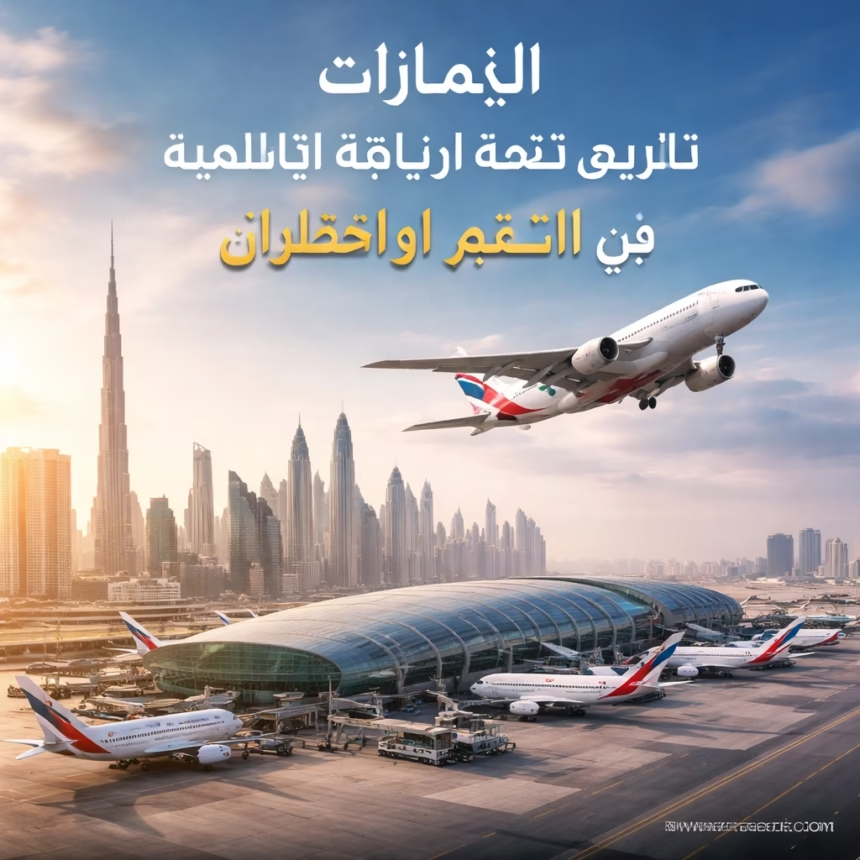
UAE Soars to Top Spot: Global Travel & Aviation Powerhouse
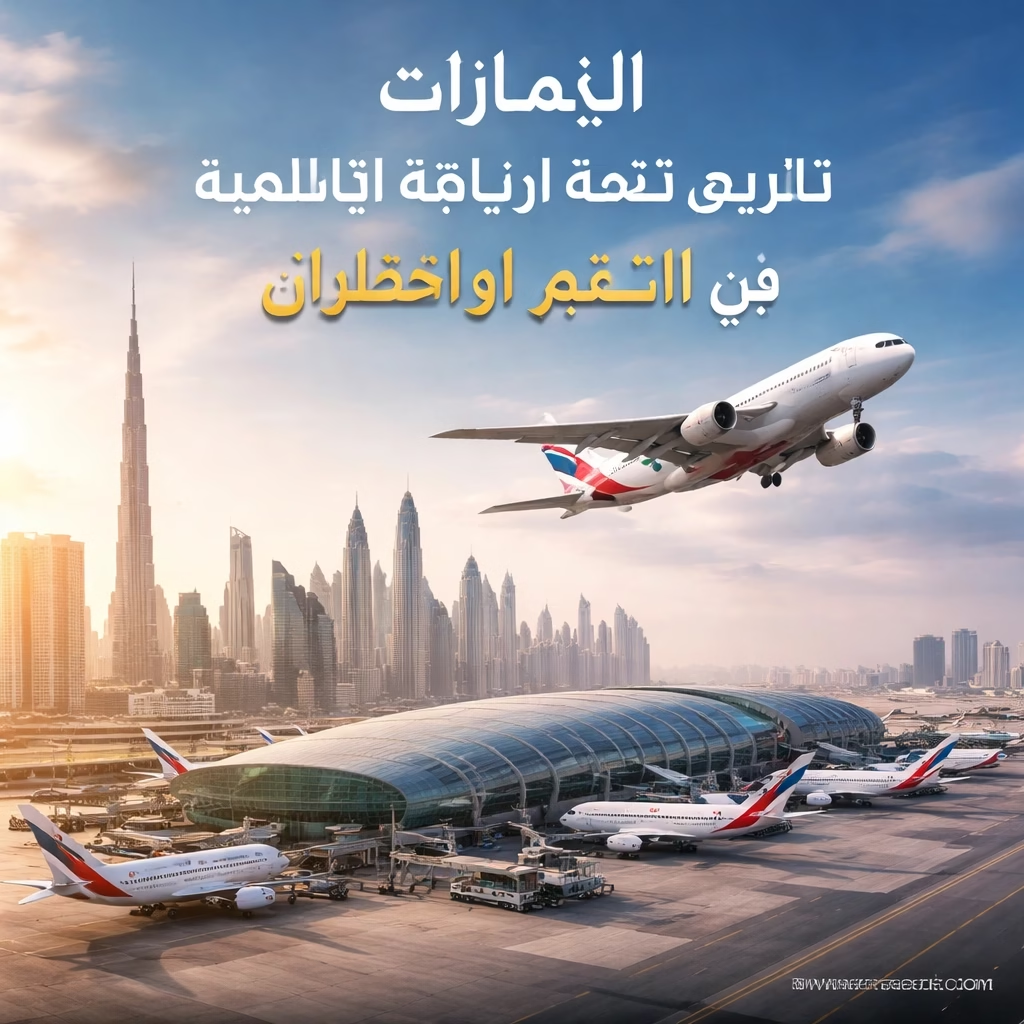
The United Arab Emirates (UAE) has been recognized as a global leader in travel and aviation, solidifying its position as a premier destination and a key hub for international connectivity. Recent reports and rankings highlight the nation's impressive growth and strategic investments in the sector, positioning it for continued dominance in the years to come.
A History of Growth and Vision
The UAE's journey to becoming a global travel powerhouse began in the late 20th century. Initially reliant on oil, the nation embarked on a diversification strategy, recognizing the potential of tourism and aviation to fuel economic growth. Early investments focused on infrastructure development, including the construction of world-class airports like Dubai International Airport (DXB), which opened in 1997. Over time, the UAE government implemented policies aimed at attracting international investment, fostering innovation, and enhancing the overall visitor experience.
Strategic initiatives such as visa liberalization programs, promoting cultural tourism, and developing luxury hospitality offerings have played a significant role in this transformation. The establishment of entities like Etihad Airways (2003) and Emirates Airline (1985) were pivotal, establishing the UAE as a major player in global air travel. The Expo 2020 Dubai, held from October 1, 2021, to March 31, 2022, further amplified the UAE's global profile and showcased its capabilities.
More Read

Driving Forces: Recent Developments
The past few years have witnessed significant advancements propelling the UAE's leadership in travel and aviation. A key development is the continued expansion of airport infrastructure. Dubai Airports, for example, is actively pursuing projects to increase capacity at DXB and Dubai World Central (DWC). These expansions aim to handle the projected surge in passenger traffic, particularly with the anticipated growth in tourism from Asia and Europe.
Furthermore, the UAE has invested heavily in smart tourism initiatives. This includes leveraging artificial intelligence (AI) and data analytics to personalize the visitor experience, improve operational efficiency, and enhance security. The introduction of digital visas and contactless technologies at airports exemplifies this focus on technological innovation. Dubai's commitment to sustainable tourism is also gaining traction, with initiatives aimed at reducing carbon emissions and promoting responsible travel practices. The launch of the 'Sustainable Tourism Strategy 2030' demonstrates this commitment.
Another significant development is the strengthening of partnerships with international airlines and travel companies. The UAE actively fosters collaborations to expand its network of destinations and enhance connectivity. These partnerships often involve joint marketing campaigns, code-sharing agreements, and investments in new route development. The focus extends to attracting high-value travelers and promoting the UAE as a preferred destination for business tourism.
More Read

Ripple Effects: Who Benefits?
The UAE's dominance in travel and aviation generates substantial benefits across various sectors. The tourism industry directly supports hundreds of thousands of jobs, ranging from hotel staff and tour guides to airline personnel and airport workers. Indirectly, it stimulates growth in related sectors like hospitality, retail, entertainment, transportation, and real estate.
The aviation sector itself is a significant contributor to the UAE's economy. Etihad Airways and Emirates Airline consistently rank among the world's top airlines, generating substantial revenue and contributing to the nation's trade balance. The UAE's airports also serve as major hubs, facilitating international trade and investment. The increased tourism also boosts local businesses and entrepreneurs, fostering a vibrant and dynamic economic ecosystem.
Beyond the economic benefits, the UAE’s success in travel and aviation enhances its global reputation and strengthens its diplomatic ties. It positions the nation as a reliable and innovative partner in the international community. The increased cultural exchange fostered by tourism also contributes to a more interconnected and understanding world.
Looking Ahead: Future Milestones
The UAE has ambitious plans for the future of its travel and aviation sector. A key priority is further enhancing connectivity through the development of new air routes and partnerships. The nation is also committed to investing in sustainable aviation technologies and practices, aiming to reduce its environmental footprint. This includes exploring the use of sustainable aviation fuels (SAF) and investing in electric aircraft.
Key Future Initiatives
Expansion of Airport Capacity: Ongoing projects at DXB and DWC are designed to accommodate projected passenger growth.
Smart City Integration: Integrating travel services with smart city initiatives to enhance the overall visitor experience.
Focus on Emerging Markets: Targeting growth in tourism from regions like Africa, South America, and Southeast Asia.
Development of MICE Tourism: Further promoting the UAE as a leading destination for meetings, incentives, conferences, and exhibitions.
Increased Investment in AI and Data Analytics: Leveraging technology to personalize travel experiences and improve operational efficiency.
The UAE's unwavering commitment to innovation, infrastructure development, and strategic partnerships ensures its continued leadership in the global travel and aviation landscape. The nation is poised to remain a premier destination and a crucial hub for international connectivity for years to come.