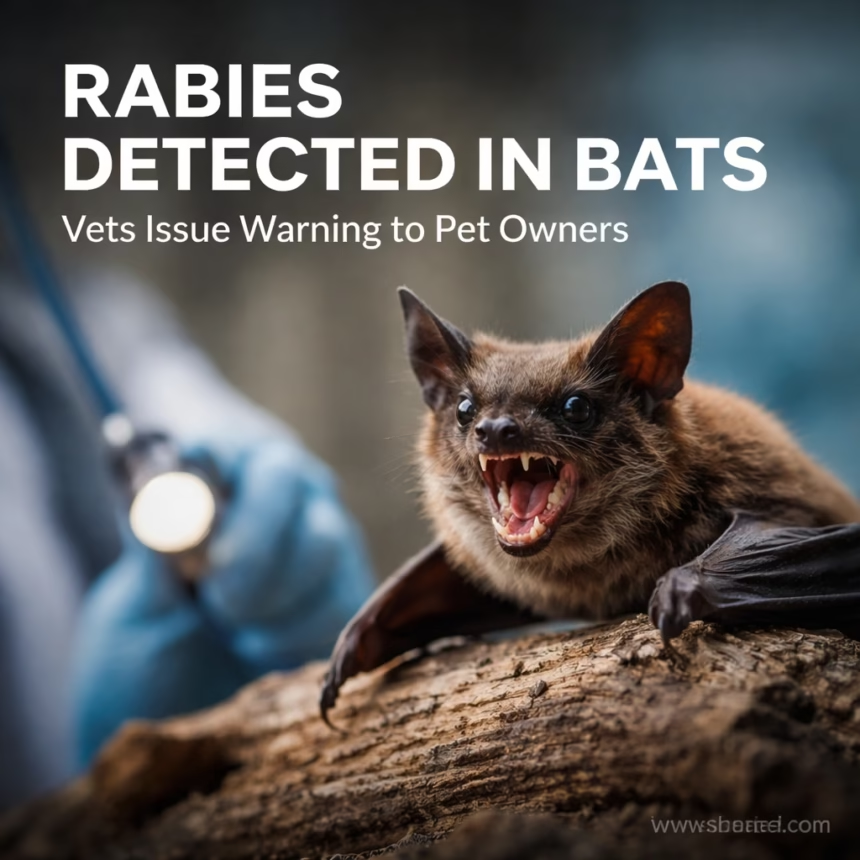
Veterinarians across British Columbia are sounding a urgent alarm following the recent confirmation of rabies in two separate bat specimens within the province. This development, occurring in late October and early November, has prompted a widespread public health advisory for pet owners to ensure their animals are adequately protected against the deadly virus.
Background: A Persistent Threat in B.C.
Rabies, a severe viral disease affecting the central nervous system, is almost universally fatal once symptoms appear. While relatively rare in domestic animals and humans in Canada, it remains a persistent concern due to its presence in wildlife populations, particularly bats. British Columbia has historically recorded cases of rabies in bats, making them the primary reservoir for the virus within the province. The B.C. Centre for Disease Control (BCCDC) consistently monitors for rabies activity, working in conjunction with the Canadian Food Inspection Agency (CFIA) and local health authorities.
Understanding Bat Rabies in B.C.
For decades, rabies has been endemic in B.C.'s bat populations. Studies indicate that approximately 1% of bats submitted for testing carry the virus. This low prevalence, however, does not diminish the risk. Bats can carry the virus without showing obvious symptoms for an extended period, or they may exhibit unusual behaviour such as flying during the day, being found on the ground, or appearing disoriented. These are critical warning signs that should never be ignored. Transmission to other animals or humans typically occurs through a bite or scratch from an infected animal, where the virus, present in saliva, enters the bloodstream. Non-bite exposures, such as contact with brain tissue or open wounds, are extremely rare but possible.
The Importance of Vaccination History
Rabies vaccination for domestic animals, particularly dogs and cats, has been a cornerstone of public health protection for decades. The vaccine provides a robust immune response, significantly reducing the risk of an animal contracting and transmitting the virus if exposed. Without widespread vaccination, the potential for rabies to spread from wildlife to pets and, subsequently, to humans, would be substantially higher. Historically, cases of rabies in B.C. pets have almost invariably involved unvaccinated animals that had direct contact with an infected bat.
Key Developments: Recent Detections and Immediate Response
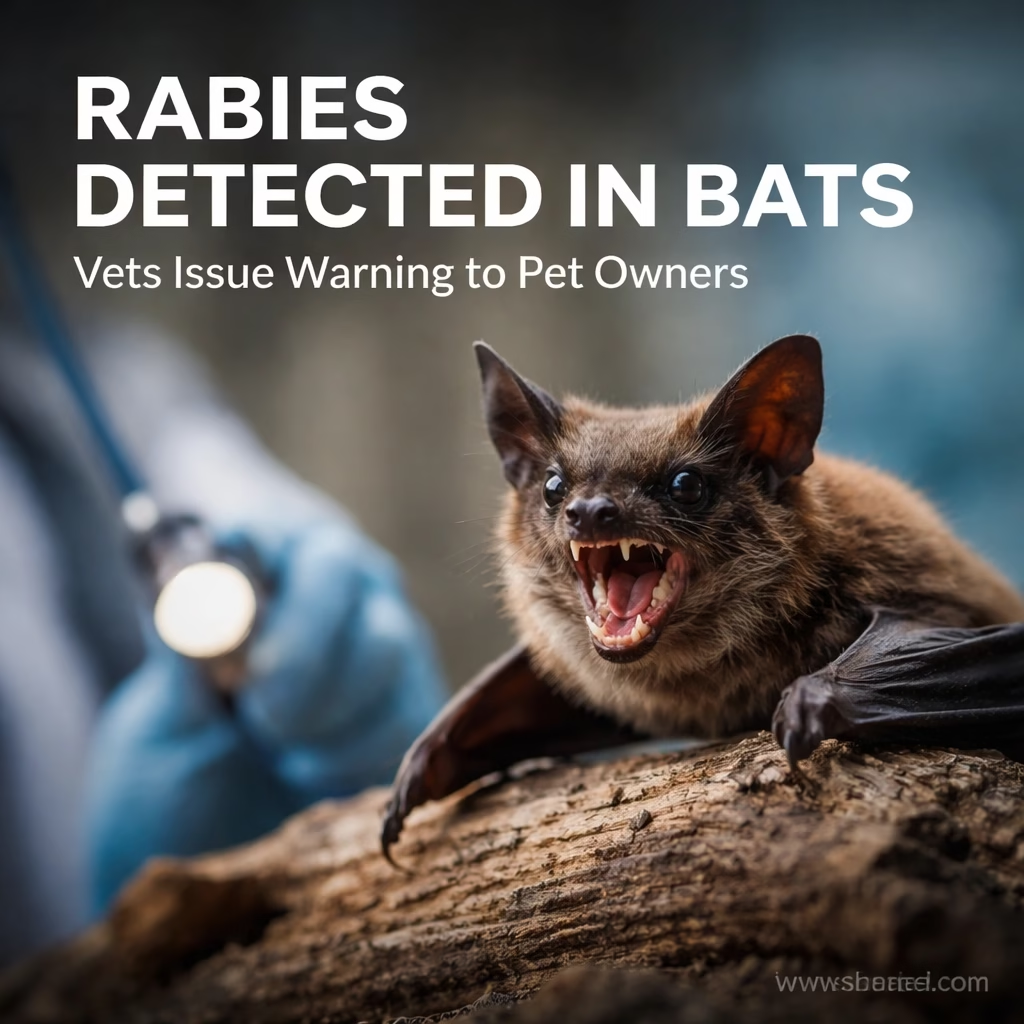
The recent detections involved a Little Brown Myotis bat found near Nanaimo on Vancouver Island in late October, and a Big Brown Bat recovered from a residential property in Surrey in early November. Both bats were submitted for testing after exhibiting abnormal behaviour and were subsequently confirmed positive for the rabies lyssavirus. These dual confirmations, occurring within a short timeframe and in populated areas, have heightened concern among veterinary professionals and public health officials.
More Read

Veterinary Community Mobilizes
Upon receiving confirmation of the cases, the British Columbia Veterinary Medical Association (BCVMA) and local veterinary clinics swiftly disseminated advisories to pet owners. Dr. Evelyn Reed, a leading veterinarian in Vancouver, emphasized the critical nature of these findings. "While rabies in bats is not new to B.C., two confirmed cases so close together and in areas with high human and pet populations serve as a stark reminder of the ongoing threat," Dr. Reed stated in a recent press briefing. "Our primary message to pet owners is simple: vaccinate your pets."
Public Health Implications
Local health authorities, including Island Health and Fraser Health, have initiated contact tracing for any potential human or pet exposures related to these specific incidents. Individuals who may have had direct contact with either of the infected bats, or whose pets may have, are urged to contact their local public health unit immediately for risk assessment and guidance on post-exposure prophylaxis (PEP) if necessary. The prompt reporting and testing of suspicious bats are crucial for mitigating public health risks.

Impact: Who is Affected and Why it Matters
The confirmed rabies cases directly impact pet owners, potentially expose humans, and underscore the continuous need for vigilance within the broader community. The gravity of rabies lies in its near 100% fatality rate once clinical signs appear, making prevention and rapid response paramount.
Pet Owners at the Forefront
Dogs and cats are the most commonly affected domestic animals, largely due to their curious nature and potential for direct interaction with wildlife, including bats. An unvaccinated pet exposed to a rabid animal faces a grim prognosis. If a pet is bitten or scratched by a confirmed rabid animal and is unvaccinated, euthanasia or a lengthy, expensive, and strict quarantine period (often several months) is typically required to ensure the animal does not develop rabies and transmit it. For vaccinated pets, a booster shot and a shorter observation period are usually sufficient, highlighting the protective power of immunization. The emotional and financial toll on owners navigating such a scenario is significant.
Human Health Risks
While human rabies cases are exceedingly rare in Canada, the risk is not zero. Most human exposures occur when an individual attempts to handle an injured or sick bat without proper protection. Children, due to their natural curiosity, are particularly vulnerable. If a human is bitten or scratched by a rabid animal, immediate medical attention is required. Post-exposure prophylaxis, a series of vaccinations and immune globulin injections administered soon after exposure, is highly effective in preventing the disease. However, delaying treatment can be fatal.
Wildlife and Ecosystem Health
The presence of rabies in bat populations also raises awareness about wildlife health. Bats play vital roles in B.C.'s ecosystems, controlling insect populations and contributing to pollination. Monitoring diseases like rabies helps researchers understand wildlife population dynamics and the broader health of natural environments. Wildlife rehabilitators and conservationists are particularly attuned to these detections, as they often come into direct contact with sick or injured bats.
What Next: Prevention, Surveillance, and Public Action
The recent rabies detections serve as a critical reminder for all B.C. residents to remain vigilant and proactive in protecting themselves and their pets. Ongoing surveillance, public education, and adherence to preventative measures are key to minimizing future risks.
Prioritize Pet Vaccinations
The most crucial step for pet owners is to ensure their dogs, cats, and even ferrets are up-to-date on their rabies vaccinations. This is not just a recommendation but often a legal requirement in many municipalities. Regular booster shots, as recommended by a veterinarian, maintain high levels of immunity. Veterinarians are reporting an increase in vaccination inquiries following the recent warnings, indicating a positive public response.

Avoid Contact with Wildlife
Residents are strongly advised to avoid all direct contact with bats and other wild animals. If a bat is found in an unusual location (e.g., inside a home, on the ground during the day), or appears sick or injured, do not touch it. Instead, contact your local animal control or wildlife rescue organization for safe removal. If a pet has had contact with a bat, regardless of its vaccination status, consult a veterinarian immediately.
Secure Your Home and Property
Taking steps to prevent bats from entering homes can significantly reduce the risk of exposure. Seal any cracks or openings in attattics, chimneys, or walls where bats could gain access. Keep pet food and water bowls indoors, especially overnight, to avoid attracting wildlife. Leash laws for dogs should be strictly followed, particularly in areas known for wildlife activity, to prevent pets from encountering bats or other potentially rabid animals.
Continued Surveillance and Public Reporting
The BCCDC, CFIA, and provincial health authorities will continue their surveillance efforts, relying heavily on public reporting of unusual bat sightings or incidents involving potential exposure. The public is encouraged to report any bat bites or scratches to humans or pets promptly. This collaborative approach between public health, veterinary medicine, and informed citizens is essential for effective rabies control and prevention in British Columbia. The goal is to maintain B.C.'s strong track record of preventing human rabies cases and protecting domestic animal populations from this serious, yet preventable, disease.