Côte d'Ivoire's Economic Path Forward: IMF Offers Support
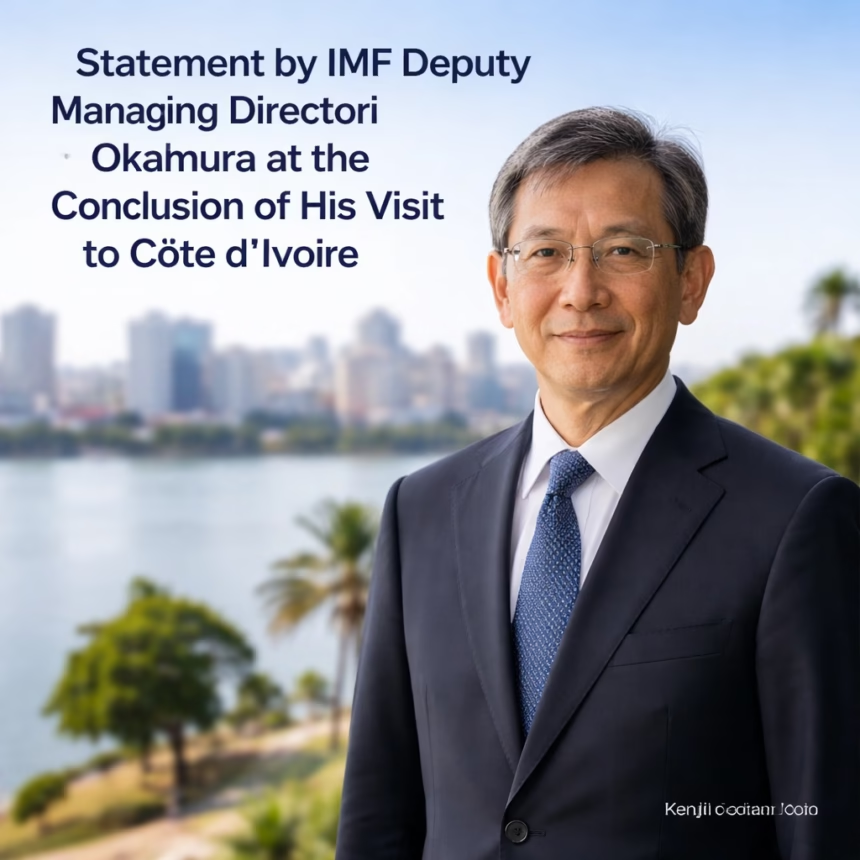
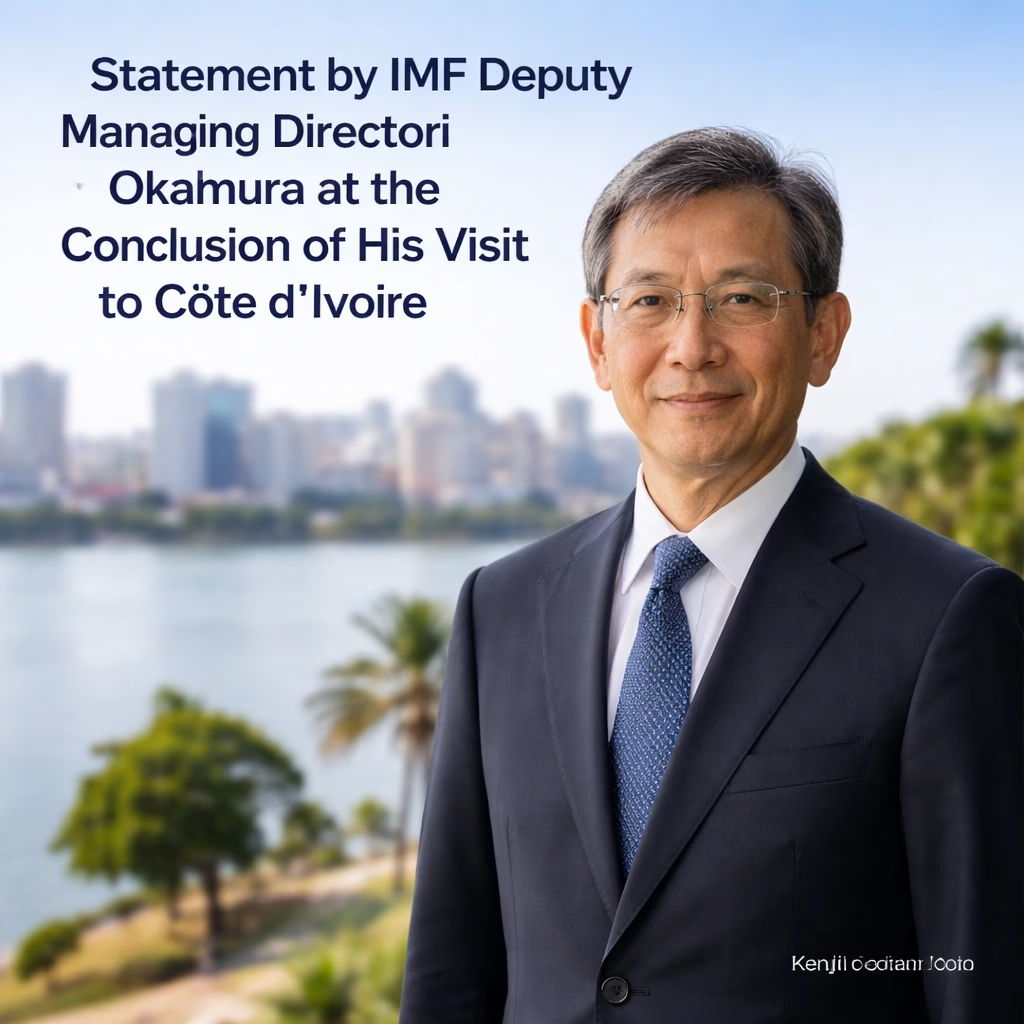
Abidjan, Côte d'Ivoire – Kenji Okumura, the International Monetary Fund’s Deputy Managing Director, concluded a visit to Côte d'Ivoire on November 2, 2023, reaffirming the IMF's commitment to supporting the nation's economic stability and sustainable growth. The discussions focused on ongoing reforms and future challenges facing the Ivorian economy.
Background: Navigating Economic Shifts
Côte d'Ivoire, a major producer of cocoa, has experienced significant economic growth in recent years, although it faces vulnerabilities related to commodity price fluctuations and global economic headwinds. The country has been implementing structural reforms to enhance its competitiveness and resilience. Following the post-conflict period, the nation embarked on a path of reconstruction and development, attracting foreign investment and fostering private sector growth. The IMF has been a key partner in these efforts, providing technical assistance and financial support.
The IMF and Côte d'Ivoire have maintained a close working relationship, with a program in place since 2021 aimed at promoting macroeconomic stability and fostering inclusive growth. This program has involved policy adjustments focused on fiscal consolidation, exchange rate management, and structural reforms to improve the business environment.
Key Developments: Addressing Current Challenges
During his visit, Mr. Okumura met with President Alassane Ouattara, Prime Minister Patrick Achi, and Finance Minister Bourdic, alongside senior government officials and representatives from the Central Bank of Côte d'Ivoire (BOCI). Discussions centered around the impact of global inflation, the rising cost of food, and the need to strengthen fiscal discipline. The IMF lauded the government’s efforts in managing inflation and maintaining exchange rate stability, despite external pressures.
More Read

A key area of focus was the progress of reforms aimed at improving tax collection and broadening the tax base. Mr. Okumura emphasized the importance of continued efforts to enhance transparency and combat corruption to ensure sustainable economic development.
Impact: Supporting Ivorian Citizens and Businesses
The IMF’s support is intended to positively impact Ivorian citizens through improved economic stability and job creation. The program’s focus on fiscal consolidation aims to reduce government debt and create space for investment in social programs, particularly in areas like education and healthcare. A stable economy is crucial for fostering a favorable environment for businesses, both domestic and foreign, encouraging investment and economic activity.
More Read

Specifically, the reforms are expected to benefit small and medium-sized enterprises (SMEs), a vital engine of growth in Côte d’Ivoire. Improved access to financing and a more predictable regulatory environment will help SMEs expand and create jobs.
What Next: Sustaining Economic Momentum
The IMF has indicated its readiness to continue providing technical and financial assistance to Côte d'Ivoire. The next review of the IMF program is scheduled for June 2024, where progress on key reform areas will be assessed.
Fiscal Sustainability
A crucial aspect of the ongoing program is ensuring fiscal sustainability. This involves continued efforts to manage government spending, improve revenue collection, and maintain a prudent debt management strategy. The IMF is working closely with the government to develop a comprehensive fiscal framework that promotes long-term economic stability.
Structural Reforms
Further structural reforms are expected to focus on enhancing the competitiveness of key sectors of the economy, such as agriculture and manufacturing. These reforms could include measures to improve infrastructure, reduce regulatory burdens, and promote innovation. The development of the cocoa sector, vital to the Ivorian economy, remains a priority.
External Vulnerabilities
The IMF will continue to monitor external vulnerabilities, including commodity price volatility and global economic conditions. Building up foreign exchange reserves and strengthening the country’s resilience to external shocks will be key priorities. Cooperation with regional partners will also be important in addressing shared economic challenges.
Mr. Okumura concluded his visit by expressing confidence in Côte d'Ivoire’s ability to navigate the current economic challenges and achieve its development goals. He reiterated the IMF's ongoing support and commitment to working with the government to foster a prosperous and inclusive economy.